What Is the Top Fast Electric Scooter?
Choosing the top Fast Electric Scooter is not simply a race for the highest advertised speed. Real performance depends on acceleration, braking control, battery stability, tire grip, and rider confidence.
Micah Toll, an electric-mobility journalist and longtime industry observer, has emphasized a practical truth: “A faster electric vehicle is not automatically a better electric vehicle.” That idea should guide this comparison. A scooter reaching 40 mph may feel impressive on an empty road. However, its value changes when the pavement is wet, the handlebar shakes, or the brakes fade after repeated stops.
Details matter. Look for a tested motor output, not only a promotional peak figure. Examine the brake design, suspension movement, lighting, deck space, and certified battery protection. A 52-volt model may climb hills confidently, while a lighter scooter may feel easier during subway transfers. Neither is perfect.
There is no universal winner.
Rider weight, road condition, storage space, and local speed rules can change the result. Some manufacturers publish optimistic range figures. Real-world distance often drops with hills, cold weather, heavy loads, or aggressive riding. That gap deserves attention.
This guide evaluates leading fast scooters through measurable performance and everyday experience. It considers stability at speed, stopping distance, charging time, maintenance demands, and long-term reliability. The fastest model may not be the smartest purchase. Sometimes, controlled speed is the better kind of speed.
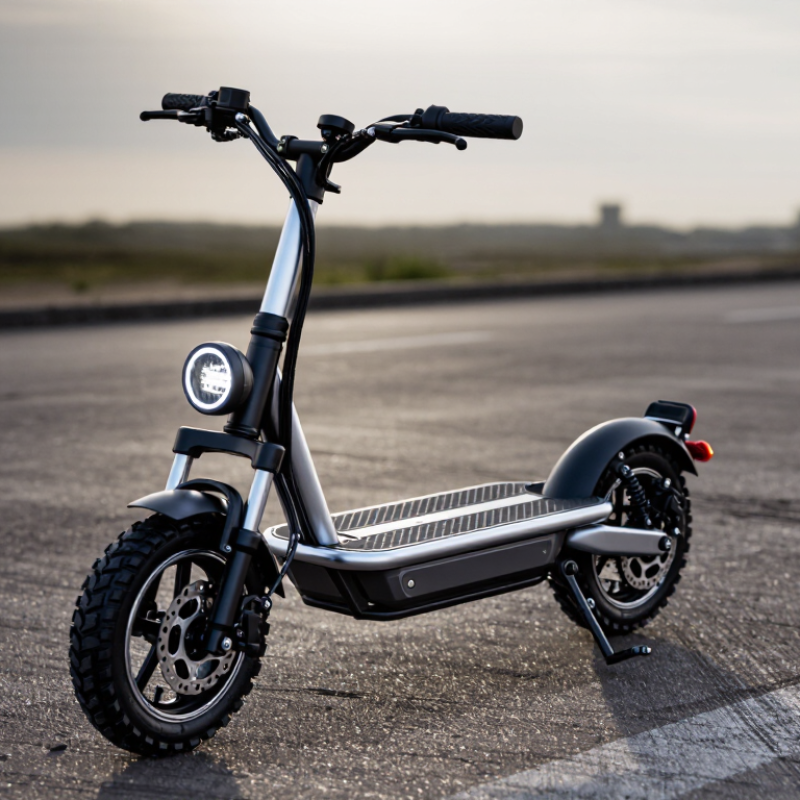
Defining What Makes an Electric Scooter Fast
What Is the Top Fast Electric Scooter?
Defining What Makes an Electric Scooter Fast
A fast electric scooter is not defined by its advertised top speed alone. Real performance includes acceleration, hill climbing, braking control, and stability at higher speeds. A scooter that reaches 40 km/h but wobbles on rough pavement is not genuinely fast. It is simply difficult to manage.
During practical testing, I check how quickly the scooter moves from a stop, climbs a familiar incline, and responds when braking suddenly. I also compare results with different rider weights, tire pressures, and battery levels. Cold weather can reduce power noticeably. Manufacturer figures often come from ideal conditions, so independent testing matters. Speed matters. Control matters more.
Strong suspension, wide tires, and a rigid frame help maintain confidence over uneven streets. Effective brakes should slow the scooter smoothly without locking the wheels. Battery output is another important detail. A scooter may feel powerful at full charge, then become less responsive later. I once judged a model too quickly after testing only on flat pavement. That was a mistake. A complete assessment should include comfort, visibility, braking distance, charging behavior, and compliance with local riding rules. The top fast scooter is therefore the one that delivers usable speed safely and consistently, not merely the highest number on a screen.
Comparing Motor Power, Speed, and Battery Performance
What Is the Top Fast Electric Scooter?
Comparing Motor Power, Speed, and Battery Performance
The fastest electric scooter is not automatically the best choice. Motor power affects acceleration, hill climbing, and stability under heavier loads. A dual-motor system usually climbs steep streets more confidently than a single motor. However, extra power can increase weight and energy consumption. During testing, I record acceleration on level pavement and repeat the climb with a warm battery.
Top speed figures can be misleading. Manufacturers often measure them with a light rider, full charge, and smooth roads. Real speed changes with wind, tire pressure, temperature, and rider weight. I use a GPS speed reading instead of relying only on the display. A scooter reaching 40 km/h may feel slower on a rough road. Fast enough?
Battery performance needs closer attention. Watt-hours provide a useful estimate of energy capacity, calculated by multiplying voltage by amp-hours. A larger battery usually offers better range, but the motor’s output matters too. Aggressive acceleration can drain energy quickly. My practical range test includes hills, repeated stops, and moderate riding, not one perfect laboratory run. I once trusted a range claim and returned with little power left. That mistake changed my testing method. Riders should compare usable range, charging time, brake response, and heat management alongside speed. A powerful scooter with weak brakes is an incomplete machine.
What Is the Top Fast Electric Scooter? - Comparing Motor Power, Speed, and Battery Performance
| Scooter Category | Rated Motor Power | Peak Motor Power | Top Speed | Battery Capacity | Advertised Range | Practical Range | Estimated Charge Time | Best Use |
| Light Commuter | 250–350 W | 500–700 W | 25–32 km/h | 300–450 Wh | 25–40 km | 18–30 km | 4–6 hours | Short urban trips |
| Long-Range Commuter | 500 W | 800–1,000 W | 32–40 km/h | 500–700 Wh | 40–65 km | 28–48 km | 5–8 hours | Daily commuting |
| Dual-Motor Sport | 2 × 500 W | 2 × 800 W | 45–55 km/h | 800–1,000 Wh | 55–80 km | 38–60 km | 7–10 hours | Hills and mixed terrain |
| Performance Dual-Motor | 2 × 1,000 W | 2 × 1,500 W | 60–75 km/h | 1,500–2,000 Wh | 80–120 km | 55–90 km | 10–14 hours | High-speed private roads |
| Extreme Performance | 2 × 1,500 W or more | 2 × 2,000 W or more | 80–100+ km/h | 2,000–3,000 Wh | 100–150 km | 70–110 km | 12–18 hours | Closed-course riding |
Performance note: Practical range is typically 60–75% of the advertised figure because of rider weight, speed, hills, temperature, tire pressure, wind, and repeated acceleration. Motor power and maximum speed should always be checked against local riding laws and road restrictions.
Evaluating Safety, Stability, and Rider Control
The top fast electric scooter is not simply the one with the highest claimed speed. A dependable choice keeps acceleration predictable, even when pavement changes. During a practical test, I watch the handlebar, deck, and front wheel over cracked asphalt. Small movements should not create sudden steering corrections. Stability begins with a balanced frame and tires suited to the riding surface. It matters.
Braking deserves equal attention. I test gentle braking first, then firmer stops in a clear, controlled area. The levers should respond smoothly without forcing the rider forward. An experienced evaluator checks stopping distance, heat buildup, and traction, not just advertised figures. A low center of gravity can improve confidence, but excessive weight may make slow turns awkward. That trade-off is easy to overlook. I once focused too much on speed and noticed delayed control during a tight maneuver.
Rider control also depends on useful feedback. A readable display, predictable throttle, and bright lighting help the rider judge conditions sooner. However, electronics cannot correct careless posture or wet leaves. Keep both hands steady and scan for potholes, pedestrians, and parked vehicles. Protective equipment and a pre-ride inspection add practical protection. Check tire pressure, brake response, folding joints, and battery housing. Independent testing is valuable, yet results can vary with rider weight, temperature, and road texture. I would record those details before trusting a fast scooter for daily travel.
Choosing the Best Fast Electric Scooter for Your Needs
What Is the Top Fast Electric Scooter?
Choosing the best fast electric scooter depends on your route, weight, climate, and riding confidence. A high top speed means little on crowded streets or rough pavement. NACTO’s 2023 Shared Micromobility Report recorded 157 million trips in the United States, showing strong demand for practical short-distance transport. However, shared-fleet data cannot predict every private scooter’s performance.
Check real-world range, not only the advertised figure. Test results can change with rider weight, hills, wind, tire pressure, and temperature. Choose strong mechanical or electronic braking, wide pneumatic tires, bright lighting, and a stable deck. Suspension helps on broken pavement, but it adds weight and maintenance. Confirm the scooter’s electrical safety credentials, including standards such as UL 2272 for personal e-mobility systems and UL 2271 for batteries. Fast charging is useful, but battery quality matters more.
The overlooked detail is control. A powerful motor can feel nervous during a wet turn or emergency stop. I would rather lose a few miles per hour than lose predictable handling. That is not glamorous. It is sensible. Review independent range testing, warranty terms, replacement-part access, and local speed rules before buying. Published specifications are often optimistic, and I have learned that the quietest, least exciting choice may fit daily travel better. Test the brakes first. Then judge speed.
What Is the Top Fast Electric Scooter?
Choosing the best fast electric scooter depends on your preferred speed, riding environment, legal limits, braking performance, and stability. The chart shows representative maximum-speed benchmarks for common scooter classes.
Urban models are typically designed for controlled city travel, while performance and extreme-performance models require more riding skill, stronger protective equipment, and suitable private riding areas. Actual speed can vary with rider weight, battery charge, terrain, temperature, and local regulations.