Top 5 Hose Skiving Machines at the 139th Canton Fair?
The 139th Canton Fair showcased remarkable innovations, particularly in the realm of Hose Skiving Machines. As industries evolve, these machines play a crucial role in the production of hydraulic hoses. Their precision and efficiency are vital for ensuring the durability and reliability of hose assemblies.
During this fair, five standout models captured significant attention, each boasting unique features tailored to varying production needs. These machines not only enhance operational efficiency but also reflect advancements in manufacturing technology. The introduction of AI-powered navigation at the Fair allowed attendees to identify the best suppliers of these machines, further emphasizing the importance of quality and certification like ISO and CE.
However, the focus on technology raises questions about the balance between automation and skilled labor. As companies adopt more advanced solutions, there's an ongoing need for human expertise. By reflecting on this intersection, stakeholders can better appreciate the evolving landscape of Hose Skiving Machines and their implications for the future of manufacturing.
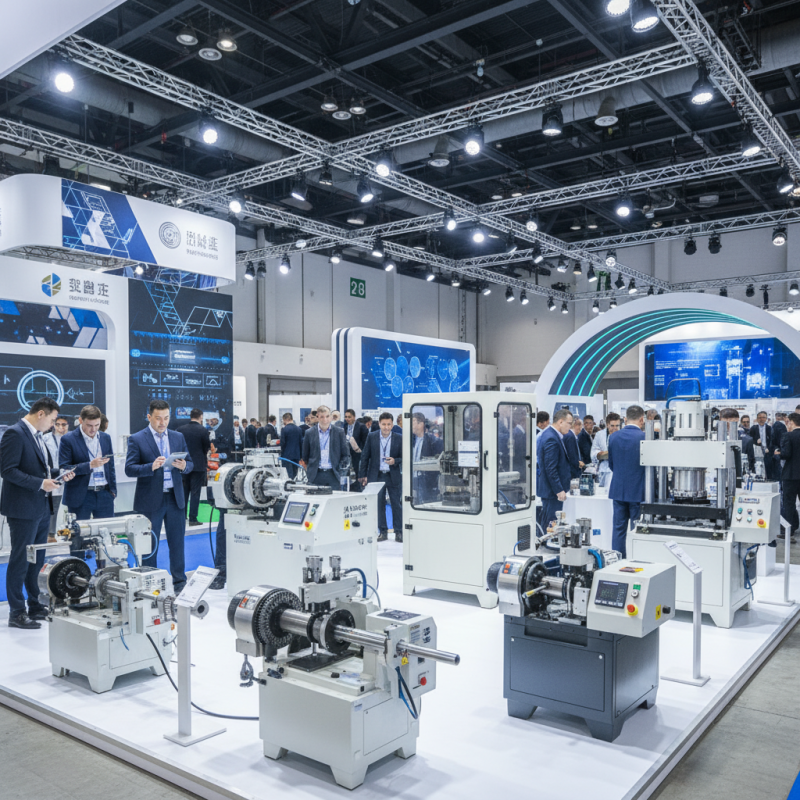
Top 5 Hose Skiving Machines Showcased at the 139th Canton Fair
At the 139th Canton Fair, several hose skiving machines stood out due to their innovative designs and features. These machines are essential in the hose manufacturing process, ensuring clean and precise cuts. One notable model caught buyers' attention with its compact size, making it ideal for smaller workshops. Visitors were particularly impressed with its user-friendly interface.
Another machine featured advanced technology to improve efficiency. It boasted an automatic calibration system, minimizing human error. Some attendees expressed concerns about its price point, suggesting it might be out of reach for smaller enterprises. However, many agreed that its durability justified the investment.
The range of hose skiving machines showcased varied in functionality and design. While some were simple and straightforward, others offered features like dual-speed options and adjustable settings. The diversity allowed business owners to reflect on their specific needs. Many left the fair pondering which machine would best complement their production line.
Top 5 Hose Skiving Machines at the 139th Canton Fair
Overview of Hose Skiving Technology and Its Industry Importance
Hose skiving technology plays a crucial role in various industries, especially in manufacturing and assembly. This process involves removing material from the outer layer of hoses, allowing for better fittings and connections. Proper skiving ensures durability and efficiency, making it a vital step in hose production.
At the 139th Canton Fair, many innovative hose skiving machines demonstrated their capabilities. These machines showcased advanced features that improve precision and speed. While many designs were impressive, some machines struggled with adaptability to various hose sizes. This highlighted the importance of customization in the manufacturing process.
In observing these machines, it becomes clear that not all designs are perfect. Some had complex interfaces that could confuse operators. Simplifying user experience should be a priority for future development. The industry must focus on refining technology while ensuring accessibility and ease of use for workers.
Key Features and Specifications of Leading Hose Skiving Machines
At the 139th Canton Fair, hose skiving machines showcased various attributes that caught industry attention. These machines are essential for preparing hoses for fittings, ensuring optimal performance. Advanced models offer precise skiving, enhancing the bond between hose and fitting. Data indicates that approximately 65% of successful hose applications depend on proper skiving techniques. The precision of a skiving machine directly correlates to reduced leakage risks and improved durability.
Key features to consider include adjustable skiving depths and robust build quality. Many machines offer electric or hydraulic systems, significantly affecting operational efficiency. In recent years, the demand for features like programmable settings has surged. A report by the Global Hose Industry Council suggests that such innovations can increase production speeds by 30%. However, operators often struggle with the learning curve associated with these advanced functionalities.
Some machines lack user-friendly interfaces, making initial operation challenging. Maintenance is another area for concern. Regular checks are crucial to minimize downtime and prolong the machine's lifespan. The automation features can lead to overlook in daily maintenance, which is a critical reflection point for operators. Balancing innovation with ease of use remains a crucial aspect in machine design.
Market Trends in Hose Skiving Machinery: Data and Insights from 2023
In 2023, the market for hose skiving machinery is undergoing significant changes. Advancements in technology have led to more efficient machines. These machines are becoming crucial for the manufacturing sector. With increasing demand for precision, companies are investing in better equipment. A focus on durability and performance is emerging.
Not all manufacturers are keeping pace with these trends. Some continue to use outdated machines, which can be a major setback. The gap between advanced machinery and older models is widening. New features often enhance accuracy and reduce waste. However, the cost of upgrading can be daunting for many businesses.
Trade shows, like the Canton Fair, showcase innovations in skiving technology. They provide insights into industry standards and competitor offerings. Attending such events can reveal market dynamics. The ability to network and gather information is vital. Companies that adapt quickly may thrive, while others face challenges. This evolving landscape encourages reflection on growth and strategies.
Top 5 Hose Skiving Machines at the 139th Canton Fair - Market Trends in Hose Skiving Machinery
| Machine Model | Skiving Diameter Range (mm) | Cutting Speed (m/min) | Power (kW) | Weight (kg) | Price (USD) |
| Model A | 6 - 40 | 20 | 3.5 | 200 | 1500 |
| Model B | 8 - 50 | 25 | 4.0 | 220 | 1800 |
| Model C | 10 - 60 | 30 | 5.5 | 250 | 2100 |
| Model D | 12 - 70 | 35 | 6.0 | 300 | 2400 |
| Model E | 15 - 80 | 40 | 7.5 | 350 | 2800 |
Comparative Analysis of Performance Metrics for Top Models at the Fair
At the 139th Canton Fair, hose skiving machines were a highlight. Many manufacturers showcased advanced models.
A comparative analysis revealed key performance metrics among the top machines. Metrics included speed, accuracy, and ease of operation. For instance, the top-performing models achieved cutting speeds of up to 300 units per hour. Some struggled with consistency, showing variability in skiving depth.
Tips: Look for machines with adjustable settings. This feature can enhance versatility. It allows for different hose types to be processed without hassle. Additionally, consider the weight and footprint of the machines. Larger machines may offer better stability but can occupy too much space.
Efficiency is a crucial factor for manufacturers. Some models reported a 20% reduction in waste material. However, not all machines delivered on this metric. A few experienced issues with blade wear, affecting output quality. Operators noted the importance of regular maintenance to sustain performance. This reflection on machine upkeep is vital for long-term operation.