Top 10 Features of Box Forming Machines for Global Buyers?
In the rapidly evolving packaging industry, the demand for efficient Box Forming Machines is increasing. According to a recent report by Smith Packaging Research, the global market for box forming machines is projected to grow by 7% annually. This growth indicates a significant shift towards automated packaging solutions. Experts like Dr. James Harmon, a leading figure in packaging technology, emphasize the importance of innovation in this field: "The future of packaging lies in automation and customization."
Modern box forming machines offer numerous features that enhance productivity and reduce waste. Machine capabilities have advanced, allowing for quicker setup times and better adaptability to various box designs. Companies are seeking solutions that not only improve efficiency but also align with sustainability goals. The integration of smart technologies presents both opportunities and challenges. While these machines bring efficiency, the initial investment can be daunting for smaller businesses.
As the industry pushes forward, it is crucial to evaluate the efficacy of current box forming technologies. Reflecting on one's operations can reveal gaps and areas for improvement. Adopting state-of-the-art box forming machines may seem like a significant step, yet it can lead to unmatched operational efficiency over time. This conversation surrounding box forming machines remains vital as we navigate the future of packaging.
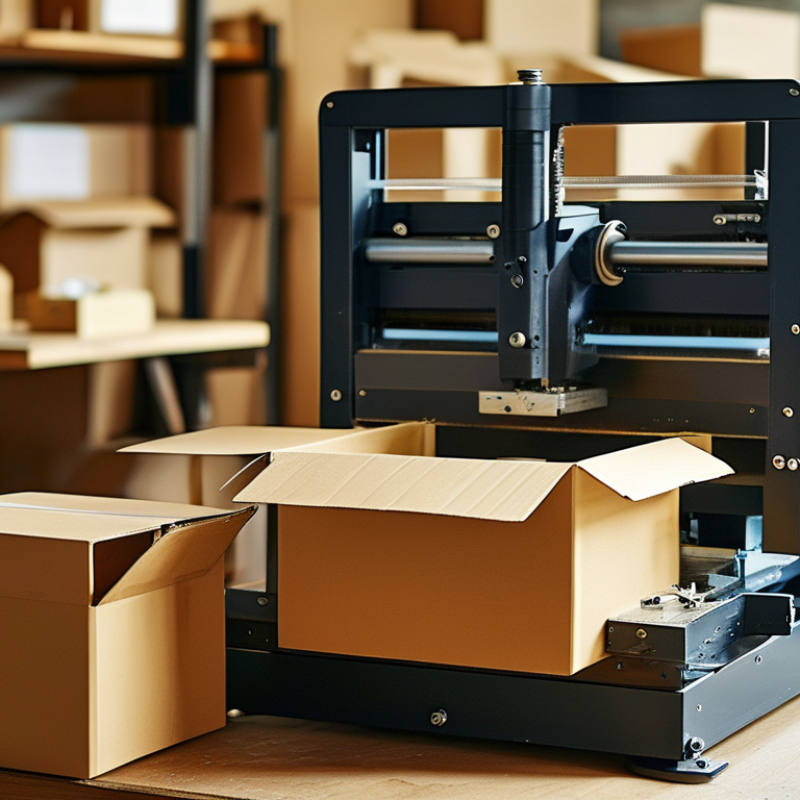
Top 10 Features of Box Forming Machines for Global Buyers
Box forming machines are essential in the packaging industry, serving as the backbone of box production. A recent report highlights that the global box forming machine market is projected to grow at a CAGR of 5.4% from 2021 to 2026, showcasing their increasing relevance. One crucial feature is efficiency. Modern machines can form boxes at rates exceeding 1,000 units per minute. Such speed significantly improves production lines and reduces labor costs.
Another important aspect is flexibility. Many machines now handle various box sizes and styles, accommodating diverse packaging needs. Companies often face challenges with outdated machinery that cannot adapt to market demands. The ability to adjust quickly can enhance competitiveness. Data shows that around 40% of companies report higher yield rates with versatile machines.
Automation also stands out as a pivotal feature. Automated systems reduce the risk of human error, increasing reliability. However, the initial investment can be a deterrent for smaller businesses. It's essential to weigh the cost against potential long-term savings. In an industry where accuracy and speed matter, overlooking such advancements can lead to losses. Thus, assessing these features carefully can determine operational success.
Advanced Automation Technologies in Box Forming Machines
Advanced automation technologies in box forming machines are revolutionizing packaging processes. These developments enhance efficiency and reduce the potential for human error. Automated systems can quickly adjust to different box sizes without manual interventions. This adaptability increases production rates significantly.
Machine learning algorithms analyze production data to optimize operations. They predict maintenance needs and minimize downtime. As these technologies evolve, the ability to integrate with existing systems improves. However, some manufacturers struggle with the steep learning curve associated with advanced automation. Staff training becomes crucial for effective deployment.
Combining smart sensors and robotics can achieve seamless workflows. Yet, there is a risk of over-reliance on automation. A poorly calibrated machine can lead to significant waste. Continuous monitoring and adjustments are necessary to maintain quality. Balancing technology and human oversight remains a challenge in maximizing the potential of box forming machines.
Speed and Efficiency: Key Performance Metrics in the Industry
In the competitive landscape of box forming machines, speed and efficiency stand out as crucial metrics. Buyers must evaluate not just the machine’s output rate but also its consistency. A machine that produces boxes quickly but with frequent errors can lead to delays in production. This inconsistency often results in wasted materials and increased operational costs.
Moreover, automation plays a significant role in enhancing both speed and efficiency. Modern machines can adjust settings automatically based on real-time data. This allows for quick changes in production runs without manual intervention. However, relying heavily on automation can backfire if the system faces glitches or malfunctions. The need for regular maintenance and updates becomes paramount to avoid unexpected downtimes.
Another factor to consider is energy efficiency. Machines that consume less power while maintaining performance are increasingly popular. They not only reduce operational costs but also align with global sustainability goals. However, striking a balance between energy use and machine capability can be a challenging task. Buyers must carefully assess their specific needs against the features offered.
Versatility of Box Forming Machines in Product Packaging
Box forming machines have become a staple in the world of product packaging. Their versatility is unmatched, catering to various industries with unique packaging needs. Whether it’s electronics or food items, these machines can adapt to different box styles. They handle everything from regular slotted containers to custom designs, ensuring that products stay secure during transport.
When selecting a box forming machine, consider the size of your operation. Smaller businesses might not need extensive features, while larger enterprises could benefit from automation capabilities. A machine that offers quick changeover can save significant time and reduce operational costs. Efficiency encourages businesses to rethink their packaging strategies, potentially leading to improved production flows.
A key aspect often overlooked is maintenance. Regular checks and cleaning can prevent unexpected downtimes. Understanding the common wear and tear of parts is essential. Consider investing in training for staff to ensure proper handling of machines. This practice can lead to a longer lifespan for your equipment, ultimately benefiting your bottom line. Strive for continuous improvement in your packaging process, while staying open to adaptations as market demands change.
Material Compatibility and Sustainability Considerations
When selecting box forming machines, material compatibility and sustainability are crucial. The machines must handle various materials. Common options include cardboard, corrugated sheets, and eco-friendly alternatives. Understanding material properties helps in optimizing performance. Using the wrong material can lead to defects and wasted resources.
Sustainability is increasingly vital for manufacturers. Many global buyers prioritize eco-friendly practices. Machines that support recyclable or biodegradable materials are in demand. However, not all machines offer the same level of sustainability. This inconsistency requires buyers to research thoroughly. They need to assess not only machine capabilities but also the lifecycle of materials used.
Additionally, regular maintenance is essential for achieving optimal performance and sustainability. Neglecting this aspect can lead to inefficiencies and increased waste. Buyers should also consider energy efficiency as part of their selection criteria. Efficient machines reduce energy consumption, minimizing environmental impact. This creates an opportunity for long-term cost savings.
Conclusion
The article "Top 10 Features of Box Forming Machines for Global Buyers" delves into the essential characteristics that elevate box forming machines in the packaging industry. It highlights the integration of advanced automation technologies, which enhance operational efficiency and speed, driving productivity for manufacturers. Versatility emerges as a significant advantage, allowing these machines to accommodate various products and packaging needs while ensuring compatibility with diverse materials. Sustainability is also a critical consideration, as modern box forming machines are designed with eco-friendly practices in mind.
Additionally, the article emphasizes the importance of maintenance requirements and the analysis of lifecycle costs, allowing buyers to make informed decisions that maximize their investment. By understanding these key features, global buyers can select box forming machines that not only meet their packaging demands but also align with their long-term operational goals.