Top 10 Dock Chain Types for Secure Marine Operations?
In the marine industry, choosing the right Dock Chain is crucial for ensuring safety and efficiency. Renowned expert John Thompson, a veteran in marine operations, emphasizes, "The quality of your Dock Chain can make or break your operations." Understanding different types of Dock Chains is essential for anyone involved in marine logistics.
These chains come in various designs and strengths. Each type serves a unique purpose, catering to specific marine environments. For instance, heavy-duty chains are crucial in rough waters, while lighter options may suffice for calmer conditions. However, some operators overlook the importance of matching the Dock Chain type to specific operational needs.
Reflecting on the variety available, one must consider factors like corrosion resistance and load-bearing capacity. Neglecting these details can lead to operational failures. The diversity in Dock Chain types highlights the need for informed choices. This understanding can help prevent mishaps in critical marine operations.
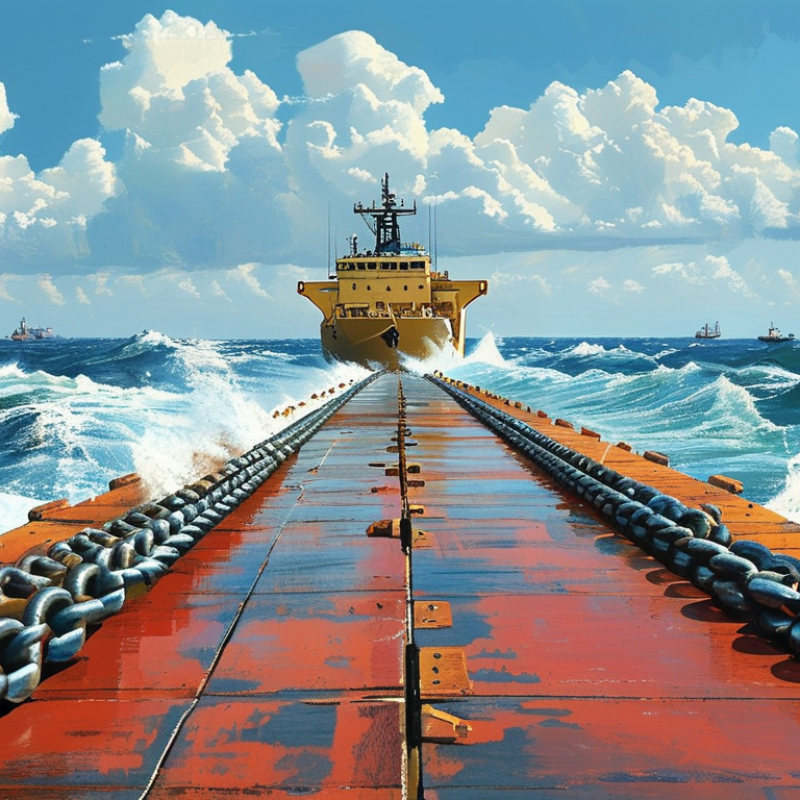
Types of Dock Chains Used in Marine Operations
In marine operations, the choice of dock chains is critical for safety and efficiency. Common types include stud link chains, which offer high strength and durability. These chains excel in anchoring and mooring, providing better resistance to harsh conditions. According to a recent industry report, stud link chains have a tensile strength that typically ranges between 31 to 40 tons per inch. Their ability to withstand high loads makes them indispensable in commercial shipping.
Another popular type is the anchor chain, often used for securing vessels. These chains are designed to prevent dragging during strong winds or currents. Studies indicate that the correct chain length can increase holding power by up to 80%. However, selecting the right type often depends on vessel size and local maritime conditions. Operators sometimes overlook critical factors like corrosion resistance, which can lead to chain failure over time.
Furthermore, buoy chains play a significant role in maintaining navigational aids. These chains typically require regular inspections due to their exposure to marine environments. Inconsistent maintenance can result in operational risks. Marine operators must prioritize understanding these chains' material properties and maintenance needs to mitigate potential hazards.
Top 10 Dock Chain Types for Secure Marine Operations
| Chain Type | Material | Strength (Tons) | Corrosion Resistance | Common Uses |
| High-Test Chain | Steel | 10-50 | Moderate | Buoy mooring, anchoring |
| Proof Coil Chain | Steel | 5-35 | Low | General anchoring |
| Stainless Steel Chain | Stainless Steel | 3-30 | High | Marine applications, dock fittings |
| Windlass Chain | Galvanized Steel | 10-45 | Moderate | Anchoring, windlass systems |
| Anchor Chain | Steel | 20-96 | Low | Heavy-duty anchoring |
| High Strength Chain | Alloy Steel | 15-80 | Moderate | Heavy duty marine operations |
| Chain Grate | Galvanized Steel | 5-20 | High | Floating docks |
| Plastic Chain | Plastic | 1-5 | High | Light applications, buoys |
| Towing Chain | Steel | 30-150 | Low | Tows and mooring |
| Anchor Rode | Chain and Rope | Varies | High | Anchoring |
Key Features of Each Dock Chain Type
When it comes to dock chains, understanding the key features is vital. Each type serves unique purposes in marine operations. The most common links are proof coil chains, known for their strength and versatility. These chains are a popular choice in docking systems due to their dependable tension-holding capabilities.
Another essential type is anchor chains. They excel in providing stability and security for vessels. Crafted from high-strength steel, they endure harsh marine environments. However, their weight can be a drawback, making handling challenging. Short link chains are ideal for tight spaces, allowing easy maneuverability. Their compact design offers flexibility, but they may lack the tensile strength found in longer links.
Stud link chains offer robustness in mooring applications. Their solid construction ensures durability under extreme conditions. Yet, their bulkiness can complicate installation. Lastly, chain types vary in price and availability. Each option has its pros and cons, requiring careful consideration for specific marine needs. Reflecting on these features can lead to better decision-making in securing dock operations.
Benefits of Using Different Dock Chains
When it comes to marine operations, dock chains are indispensable. Different types of chains offer unique benefits, enhancing both safety and efficiency. For instance, steel chains provide high strength and durability, making them ideal for heavy loads. They resist corrosion, which is essential in marine environments. A study from the Marine Industry Association highlights that 40% of accidents occur due to improper mooring practices. Using high-quality chains can significantly reduce these incidents.
Another popular option is plastic-coated chains. These chains are lighter and easier to handle, reducing fatigue during docking. Their coating protects against the harsh marine environment, prolonging their lifespan. According to research from the Journal of Marine Technology, using these chains can lower maintenance costs by up to 30%. This makes them an attractive choice for busy docks.
Tips: Always inspect chains regularly for wear and corrosion. If a chain shows signs of damage, replace it immediately. Proper training on chain handling can also enhance safety. Ensure crew members understand how to secure chains effectively. This can prevent accidents and safeguard your operations.
Safety Considerations for Marine Dock Chain Use
When using dock chains in marine operations, safety should always come first. Selecting the right type of chain can significantly impact overall safety. Regular inspections of the chains are crucial. Look for signs of wear, corrosion, or damage. Even small fractures can lead to failure under tension.
Tips: Always keep a maintenance log. This helps track inspections and repairs. Ensure that all staff know how to identify unsafe conditions. Training is vital in keeping operations secure.
Proper installation of dock chains is another key concern. Chains must be anchored deep enough to withstand harsh tides and weather conditions. Overloading the chains is a common mistake that can be easily avoided. Be sure to adhere to weight limits during mooring procedures.
Tips: Use clear weight markings on the dock. This reduces errors during operations. Consider using a checklist to ensure all safety protocols are followed each time. Consistent reminders can enhance awareness among crew members.
Top 10 Dock Chain Types for Secure Marine Operations
This chart displays the strength rating in tons and the typical material used for various types of dock chains. These factors are critical for ensuring safe marine operations.
Comparative Analysis of Dock Chain Durability and Strength
When assessing dock chain durability and strength, various factors come into play. Good chains are essential for safe marine operations. Their material composition and design significantly influence performance. A robust chain must withstand corrosion, heavy loads, and harsh weather conditions. Typically, chains made from high-tensile steel provide superior strength. However, they require regular maintenance to ensure longevity.
Existing studies show not all chains are created equal. Some chains may perform well initially but weaken over time. For instance, chains with poor coatings may corrode faster. Additionally, chains designed for heavy docking may be overkill for lighter vessels. This mismatch can lead to unnecessary wear and tear. The choice of chain should be based on specific operational needs.
Durability tests reveal variations in performance under stress. Some chains can endure extreme conditions longer than others. However, even the best chains can fail without proper handling. It's crucial to regularly inspect chains for signs of wear. This vigilance helps identify potential failures before they become critical. Understanding these factors can enhance safety and efficiency in marine operations.