Top 10 Benefits of Low Temp Condensing Units for Buyers?
The Low Temp Condensing Unit is revolutionizing the refrigeration industry. These units offer several advantages that can significantly enhance operational efficiency. For buyers, understanding these benefits is crucial when investing in such technology.
One notable benefit is energy efficiency. Low Temp Condensing Units consume less power, which can lead to substantial savings on electricity bills. Additionally, many models utilize advanced technology, ensuring reliability and consistent performance. Buyers may also appreciate the compact design. This feature allows for flexible installation, even in tight spaces.
Moreover, these units contribute to better product safety. They ensure that perishable items maintain optimal temperatures. This aspect is particularly vital for businesses handling sensitive goods. The growing demand for sustainable solutions adds to the appeal of Low Temp Condensing Units. They align with eco-friendly practices, showcasing a commitment to environmental responsibility. Considering these factors, buyers can make informed decisions to meet their operational needs effectively.
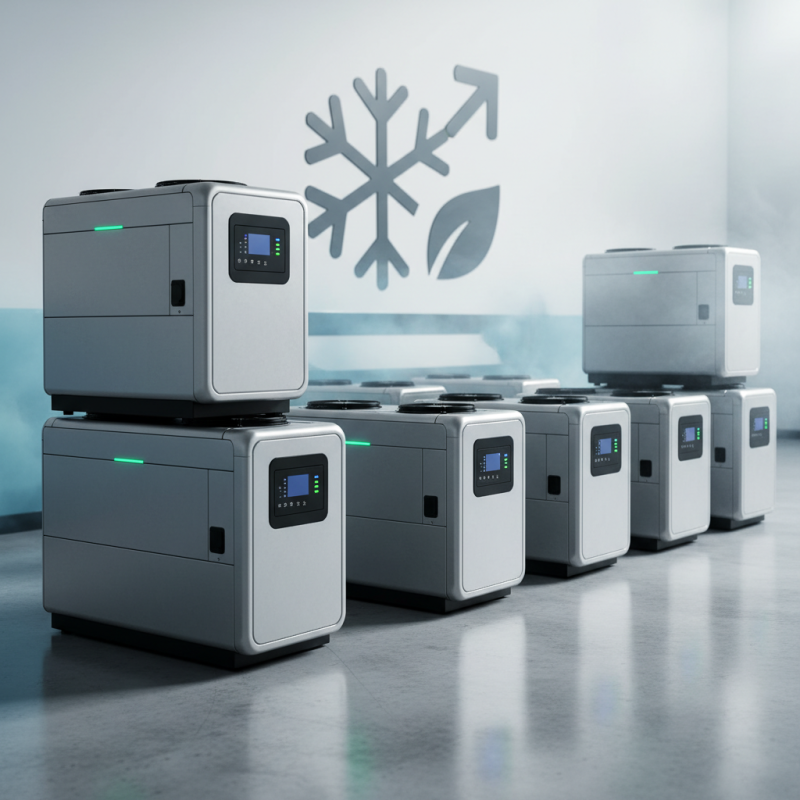
Advantages of Low Temp Condensing Units in Energy Efficiency
Low temperature condensing units offer significant advantages in energy efficiency for various applications. One key benefit is their ability to operate effectively in colder environments. This means they can provide consistent cooling, reducing energy consumption during peak hours. As a result, businesses might experience lower utility bills over time.
Another advantage is their enhanced refrigerant management. These units often use more environmentally friendly refrigerants, which can lead to reduced greenhouse gas emissions. This aspect is crucial for companies aiming to adopt sustainable practices. Moreover, using low-temperature systems can improve overall system reliability and longevity. Reliability reduces unexpected maintenance costs.
However, selecting the right unit is essential. Not all low-temperature condensing units are equal. Energy efficiency can vary significantly between models. It's worth doing thorough research and considering expert advice before making a purchase. Buyers might also need to reflect on their specific requirements. Balancing upfront costs and long-term savings is important for informed decision-making in this area.
Cost Savings Over Time with Low Temp Condensing Units
Low-temperature condensing units are gaining traction among businesses seeking efficient solutions. One primary advantage is cost savings over time. According to industry data, these units can reduce energy consumption by up to 30%. This translates into substantial savings, particularly for industries reliant on refrigeration.
Operational costs decrease as these condensing units maintain efficiency even in challenging temperatures. A report from the American Society of Heating, Refrigerating and Air-Conditioning Engineers highlights that improved heat exchange surfaces play a crucial role. They can lead to lower utility bills monthly, enhancing budgets.
Moreover, lower temperature units contribute to operational longevity. This extends equipment lifespan, reducing replacement costs. However, initial investments can be high. Buyers must carefully assess their long-term benefits against upfront expenditures. Some may find this balance challenging. Nonetheless, the potential for significant savings and operational efficiency makes low-temp condensing units an intriguing option for many businesses.
Environmental Impact and Sustainability Benefits
Low-temperature condensing units offer significant sustainability advantages. They operate efficiently with a reduced environmental footprint. These units consume less energy, which directly lowers greenhouse gas emissions. A smaller carbon footprint is essential in combating climate change. Each unit contributes to a broader effort in reducing global warming.
Beyond energy efficiency, low-temp condensing units utilize advanced refrigerants. These refrigerants have lower global warming potential compared to traditional options. Utilizing environmentally friendly refrigerants aligns with modern sustainability goals. This choice can improve public perception of businesses, enhancing their reputation as responsible entities.
However, it's necessary to evaluate the initial investment. The upfront cost of low-temp condensing units can be higher compared to conventional systems. Buyers should consider long-term savings on energy bills and potential tax incentives. Balancing these factors requires thoughtful analysis and decision-making. This reflection is key to making an impactful choice for both the business and the environment.
Enhanced Performance and Reliability in Cold Storage Applications
Low-temperature condensing units are becoming indispensable in cold storage applications. They offer enhanced performance and reliability, critical for preserving perishable goods. These units operate efficiently even under extreme conditions. This capability ensures that temperature-sensitive items remain safe and fresh, reducing waste.
A significant advantage is energy efficiency. They consume less electricity, which can lead to substantial cost savings. This feature is particularly beneficial for businesses aiming to reduce operational expenses. However, achieving optimal energy savings requires careful planning during installation and regular maintenance checks. Neglecting these can diminish performance over time.
Another key factor is their durability. Many users have noticed that these units withstand harsh environments. This results in less frequent breakdowns, translating to fewer interruptions in service. Improved reliability means more predictable operations. Yet, some users find that initial setups can be complex. It's crucial to invest in proper training for staff to maximize the benefits of these advanced cooling solutions.
Considerations for Buyers when Choosing Low Temp Systems
When considering low temp condensing units, buyers should focus on several key factors. These systems are crucial for various industries. For instance, a recent study by the International Institute of Refrigeration indicates that efficient low temperature systems can reduce energy consumption by up to 30%. This can result in significant savings on operational costs.
Buyers need to examine factors such as efficiency ratings and environmental impact. Units with higher efficiency not only save energy but also comply with increasingly strict regulations. Research from the U.S. Department of Energy shows that energy-efficient systems reduce greenhouse gas emissions significantly. However, it’s essential to balance efficiency with installation and maintenance costs.
Durability and installation logistics are also vital. Low temp systems often require specialized installation. Inadequate planning can lead to increased costs or downtime. Some buyers might overlook the importance of expert consultation during the selection process. It's crucial to ensure that the chosen unit meets both operational needs and regulatory standards. Missing out on these considerations can lead to regret over time.
Top 10 Benefits of Low Temp Condensing Units for Buyers
| Benefit | Description | Considerations |
| Energy Efficiency | Low temp condensing units typically have higher efficiency ratings, leading to lower energy costs. | Consider units with high SEER ratings to maximize savings. |
| Environmental Impact | Refrigerants used in these systems are often more eco-friendly. | Check for compliance with local environmental regulations. |
| Reliability | These units tend to have longer lifespans with reduced wear and tear. | Look for warranties and service agreements as part of the purchase. |
| Lower Maintenance Costs | Due to efficient operation, maintenance costs are often reduced. | Select units known for easy maintenance access. |
| Temperature Control | Provides precise control over temperature settings ideal for sensitive products. | Ensure units have robust temperature monitoring systems. |
| Space Saving | Designed to occupy less space compared to traditional systems. | Evaluate space requirements before selection. |
| Performance in Harsh Conditions | Performs well even in low ambient temperatures. | Review unit specifications for low-temperature performance ratings. |
| Reduced Noise Levels | Generally quieter than traditional compressors. | Look for sound ratings in the specs. |
| Versatility | Can be used for various applications, from restaurants to warehouses. | Consider the specific application needs when choosing a model. |
| Cost Savings in the Long Run | Higher initial investment but results in lower operating costs over time. | Analyze total cost of ownership versus initial cost. |