2026 Top Air Valve Types for Global Sourcing Needs?
In the evolving landscape of global manufacturing, Air Valves play a critical role in various industries, from automotive to HVAC systems. Renowned industry expert Dr. John Baker states, “The right air valve can optimize performance and energy efficiency.” This insight highlights the importance of selecting the appropriate type of air valve for specific applications.
As we approach 2026, companies must understand the diverse air valve options available. Each air valve type offers distinct advantages and applications, making informed sourcing decisions essential. Manufacturers face challenges, such as varying standards and compliance requirements. Balancing quality with cost remains a pivotal consideration in air valve procurement.
The selection process can often seem daunting. Missteps here can lead to inefficiencies or increased operational costs. As the market evolves, continuous education on air valve innovations will be crucial for industry stakeholders. Embracing these developments will ensure optimal functionality and reliability in the systems they serve.
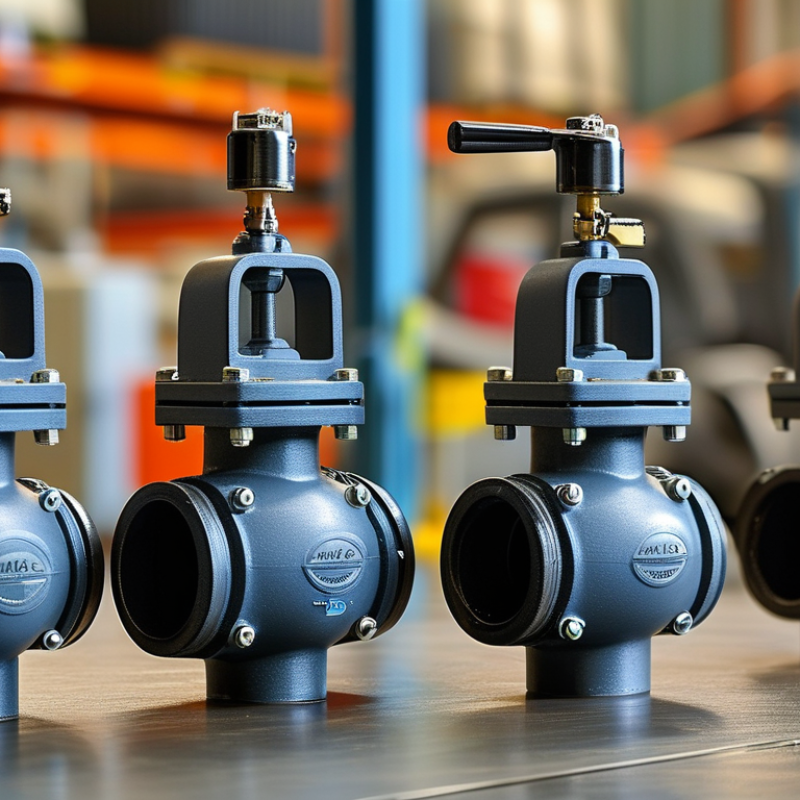
Overview of Air Valve Types for Global Sourcing
Air valves play a crucial role in various applications, including pneumatic systems and industrial processes. They allow for controlled airflow, enabling efficient operation and safety in systems. Understanding the types of air valves is essential for global sourcing. Each type has its benefits and limitations, impacting performance and reliability.
Different air valve types serve unique functions. For instance, solenoid valves operate electrically, providing quick response times. On the other hand, manual valves require physical operation, which can be less efficient but offers more control in certain situations. Pneumatic valves are advantageous for automated systems. Each choice must align with specific operational needs.
**Tips:** When sourcing air valves, always consider compatibility with your existing systems. Research various types to ensure you choose the right one. Also, assess the manufacturer's reputation and experience to avoid potential reliability issues. For effective sourcing, don't overlook the importance of quality certifications. Evaluate performance metrics carefully to prevent operational challenges later.
Key Characteristics of Top Air Valve Models
In the global marketplace, diverse air valve models cater to various industrial needs. Understanding their key characteristics is essential for effective sourcing. For instance, diaphragm valves offer excellent sealing capabilities, making them ideal for applications involving corrosive fluids. Their design ensures minimal leakage and reliable operation.
Another notable type is the solenoid valve, widely used for automation. According to a recent industry report, the solenoid valve segment is projected to grow by 8.5% annually from 2023 to 2028. This growth is attributed to the increasing demand for efficient control systems in sectors like HVAC and manufacturing. Their compact size and rapid response time enhance operational efficiency.
However, not all air valve models are perfect. For example, while ball valves are robust and easy to operate, they may struggle in low flow situations. This limitation can lead to inefficiencies in specific applications. Analyzing these aspects helps businesses make informed decisions, ensuring that sourcing meets operational requirements effectively.
Applications and Industries Utilizing Air Valves
Air valves play a crucial role in various industries, enabling efficient control of airflow in systems. Common applications include pneumatic systems, HVAC installations, and automotive components. The global air valve market is projected to reach approximately $8.4 billion by 2026, reflecting its significance across sectors.
In the manufacturing sector, air valves ensure the smooth operation of machinery. They regulate air supply in systems that rely on compressed air. Reports indicate a steady rise in demand, driven by increased automation. The pharmaceutical and food industries also utilize air valves for precise control in sterile environments. The need for maintaining hygiene and safety standards highlights their importance.
Despite advancements, challenges remain. Some air valves may fail to meet stringent regulations, leading to inefficiencies. Regular maintenance and testing are essential yet often overlooked. This gap in diligence can result in operational delays or increased costs. Some industries still rely on outdated models, which limits potential improvements in energy efficiency and performance.
Factors Influencing Air Valve Selection for Sourcing
When sourcing air valves, various factors significantly influence the selection process. Understanding the application requirements is crucial. The expected pressure levels, flow rates, and environmental conditions must be analyzed. These elements dictate the type of valve required. Selecting the wrong valve can lead to inefficiencies and costly repairs.
Material selection is another key consideration. Valves may be exposed to corrosive environments or high temperatures. Choosing durable materials helps ensure performance and longevity. It's a balancing act between cost and reliability. Always weigh the material's compatibility with the specific applications.
Tips: Always consult product specifications to avoid mistakes. Look for user reviews or expert recommendations. Ask suppliers for their insights based on application scenarios.
Lastly, consider the availability of technical support. A reliable supplier should provide assistance when needed. This support is essential for troubleshooting and maintenance. Evaluating these factors will lead to better sourcing decisions and optimized performance of air valves.
2026 Top Air Valve Types for Global Sourcing Needs | Air Valve Type | Material | Pressure Range (psi) | Temperature Range (°C) | Application | Key Factors for Selection |
| Ball Valve | Brass | 0-150 | -10 to 50 | Water, Air | Durability, Cost |
| Gate Valve | Stainless Steel | 0-300 | -50 to 100 | Oil, Gas | Sealing Ability, Performance |
| Butterfly Valve | PVC | 0-100 | 0 to 60 | Chemicals, Water | Weight, Installation |
| Check Valve | Cast Iron | 0-200 | -10 to 90 | Pumping Systems | Flow Direction, Maintenance |
| Solenoid Valve | Aluminum | 0-50 | 0 to 80 | Automation | Response Time, Power Consumption |
Future Trends in Air Valve Technology and Design
In 2026, air valve technology is poised for transformation. Emerging designs are focusing on sustainability and efficiency. New materials are being researched to reduce environmental impact. Lightweight composites and smart polymers may revolutionize airflow dynamics.
Advancements in automation introduce intelligent controls that enhance valve performance. Sensors are key in monitoring air pressure and flow, allowing real-time adjustments. This technology aims to reduce energy consumption while maintaining optimal operation. However, there are challenges in integrating these systems seamlessly. The complexity of installation may deter some users, impacting widespread adoption.
Trends indicate a shift toward modular designs. These create easier maintenance and reduced downtime. Yet, this versatility could lead to compatibility issues across different systems, creating hesitation among manufacturers. Balancing innovation with reliability remains crucial as the industry navigates this evolving landscape.