Essential Tips for Buying a Stacker Forklift Today?
The Stackable Forklift market is experiencing significant growth, with a projected increase in demand by over 15% annually. The efficient use of space in warehouses makes these machines essential for maximizing productivity. However, choosing the right Stack Forklift requires informed decision-making.
Industry expert, Johnathan Stevens, emphasizes, "The right stacker can drastically improve operational efficiency." When purchasing a Stack Forklift, consider factors such as load capacity and maneuverability. Also, assess the durability and maintenance history of potential options. Skimping on quality may lead to future costs and inefficiencies.
Potential buyers should reflect on their specific needs. While many models promise versatility, not all are suited for every operation. For instance, a compact model may excel in tight spaces but lack the power for larger loads. Therefore, take time to evaluate the choices available in the market.
Understanding Different Types of Stacker Forklifts Available Today
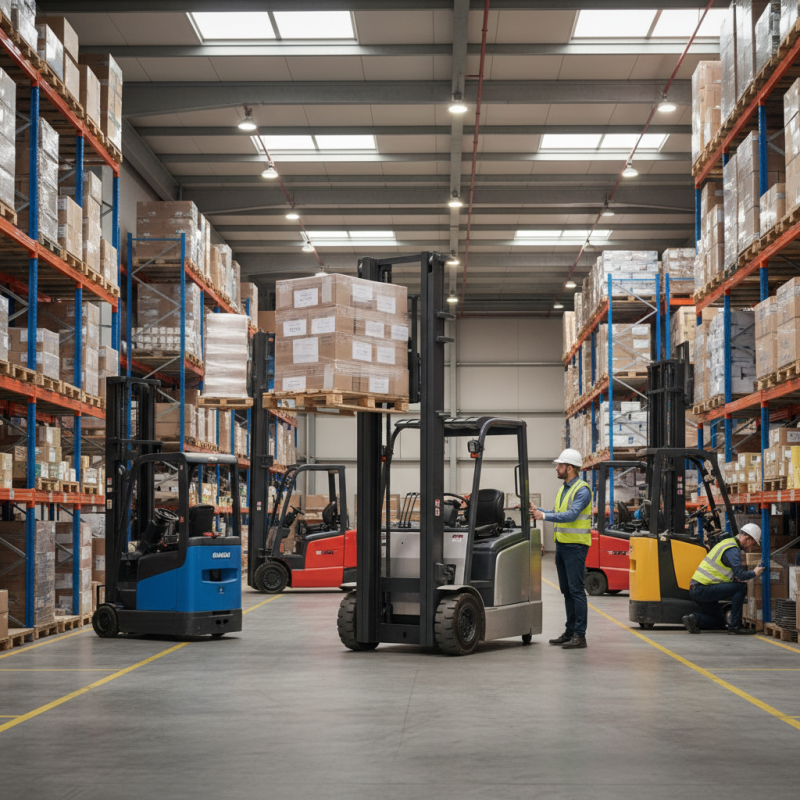
When considering Stacker Forklifts, understanding the various types available is crucial. Typically, stacker forklifts can be categorized into manual, semi-electric, and fully electric models. According to industry reports, the global stacker forklift market is expected to grow significantly, driven by increased demand for efficient material handling solutions.
Manual stackers are cost-effective but require physical effort. They are suitable for light tasks in small spaces. On the other hand, semi-electric stackers combine manual lifting with electric operation for enhanced efficiency.
Fully electric stackers are popular in larger warehouses. They provide higher lifting capacities and are easier to operate, reducing the risk of operator fatigue. Data indicates that electric models account for approximately 70% of stacker sales due to their advantages in productivity and operator comfort.
Each type has its pros and cons. Manual stackers lack automation but have a lower purchase price. Electric models require a higher initial investment, but they significantly improve productivity and lower long-term operational costs. Choosing the right type hinges on specific operational needs and budget constraints, presenting a challenge for many businesses. Understanding these nuances is essential for making an informed decision.
Evaluating Key Features and Specifications When Choosing a Stacker Forklift
When evaluating stacker forklifts, focus on capacity and lift height. Typically, these forklifts can lift between 1,000 to 3,000 kg. Properly assessing your needs is crucial. A model with a capacity of just 1,500 kg might suffice for light applications. However, for heavier tasks, consider opting for higher capacity models.
The dimensions of the stacker forklift also matter. Width and height influence maneuverability. A narrow model is ideal for tight spaces. Look for forklifts with adjustable forks. This feature enhances productivity, adapting to different pallet sizes. Weight distribution is another critical factor. A well-balanced forklift improves safety and operational efficiency.
Additionally, the operator’s comfort should not be overlooked. Ergonomic designs reduce fatigue during extended use. Reports indicate that poor ergonomic design can lead to decreased worker productivity by up to 20%. Assessing the specifications during your purchase ensures that the stacker forklift aligns with your operational demands and enhances workflow.
Assessing Safety Standards and Compliance for Stacker Forklifts
When purchasing a stacker forklift, safety standards and compliance are crucial factors. Ensure that the model you choose meets current safety regulations. Look for certifications that validate its reliability and performance. These include ISO and OSHA standards. Any deficiencies in compliance could lead to accidents or equipment malfunction.
Testing the stability of the forklift is essential. A properly designed stacker should maintain balance even when lifting heavy loads. Operators must feel confident when maneuvering around tight spaces. Poor design or overlooked safety features can result in failures during operation. Inspect the machine frequently for wear and tear.
There are practical tips you can follow. Analyze the operator's training requirements. Does the model have accessible resources for training? A well-informed operator contributes to a safer work environment. Regularly assess the maintenance needs of the forklift. A neglected vehicle can become a liability. Small steps today can prevent significant issues tomorrow.
Safety Standards Compliance for Stacker Forklifts
This chart illustrates the compliance levels of various safety standards for stacker forklifts, highlighting the importance of safety features when selecting equipment.
Comparing Price Points: New vs. Used Stacker Forklifts
When considering the purchase of a stacker forklift, price is a crucial point. New forklifts often come with the latest technology and warranties. However, they also carry a higher price tag. A new stacker can quickly drain your budget. Conversely, used stackers are usually significantly less expensive. They offer great value, but you need to be cautious. Always inspect the equipment thoroughly. Look for signs of wear and tear that could lead to future expenses.
Before buying, weigh the pros and cons of both options. A new stacker may grant reliability but can depreciate quickly. A used model might save you money upfront. Yet, it could require more repairs down the line. Assess your long-term needs carefully. If you plan to use the forklift daily, investing in new might be wise.
Tips to consider include checking maintenance records for used stackers. Inspect for any damages that might not be immediately visible. Test the equipment before finalizing any purchase. That way, you ensure it meets your expectations. Remember, the lowest price doesn’t always mean the best deal. Invest time in researching and comparing options to make an informed decision.
Maintenance Considerations for Long-Term Stacker Forklift Usage
When it comes to maintaining a stacker forklift, regular inspections are crucial. Check the hydraulic system regularly. Look for leaks and ensure proper fluid levels. Worn hoses can lead to malfunction, so don't overlook them.
Battery maintenance is essential for electric stacker forklifts. Keep terminals clean and charged. A weak battery can hinder performance. Schedule periodic checks to ensure longevity.
Always consider the lift's wheels and tires. They wear out over time and affect maneuverability. Inspect for tread wear and replace them as needed. A neglected wheel can lead to accidents.
Proper storage is equally important. Store the forklift in a dry area. This prevents rust and corrosion. Long-term exposure to moisture can damage components. Invest time in these maintenance practices to enhance durability and efficiency.