In the rapidly evolving field of power electronics, one expert stands out: Dr. Emily Johnson, a renowned authority on Static Frequency Converter Solutions. She emphasizes the crucial role these solutions play in optimizing energy efficiency. "The right Static Frequency Converter can transform operations and reduce costs," she states.
As 2026 approaches, buyers face a plethora of options. The market is flooded with devices promising reliability and efficiency, but not all deliver. It is vital for purchasers to discern between high-quality and subpar solutions. Understanding the technical specifications can be daunting. Buyers must reflect on their unique needs and environmental conditions before making a decision.
Static Frequency Converter Solutions can significantly enhance performance in various applications. With complexities varying by industry, knowing the latest advancements will guide buyers. However, the abundance of choices may lead to confusion. It is essential to weigh factors such as cost, efficiency, and support. Selecting the right solution requires careful consideration and expert guidance.
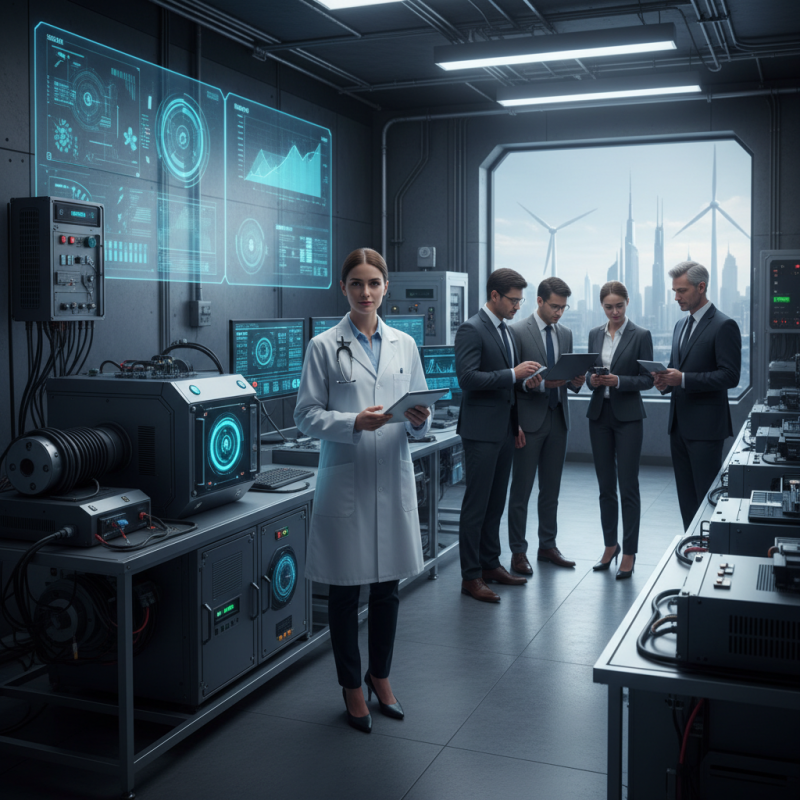
When selecting a static frequency converter, specific features are crucial. First, consider the power rating. It affects performance in various applications. Ensure the converter's capacity matches or exceeds your needs. Pay close attention to the output frequency range as well. A broader range allows more flexibility in industrial setups.
Efficiency is another key aspect. A high-efficiency converter minimizes energy loss. Look for models with advanced cooling systems. These systems help maintain optimal performance and extend lifespan. It's worth noting that initial costs may be higher. However, reduced operating costs often outweigh these expenses in the long run.
Don't overlook the importance of ease of installation. A user-friendly design can save time and reduce installation costs. Availability of support and documentation can also make a difference. Even with a competitive product, installation challenges can lead to delays. Evaluating these practical features can guide you to the most effective choice for your needs.
When considering static frequency converters, buyers for 2026 have a wealth of options. These devices are crucial in industries that require stable power supply at specific frequencies. Many notable brands offer various models, each with unique features and capabilities. Ensuring you choose the right model for your application is vital for efficiency and performance.
Tips: Before making a purchase, assess your power requirements carefully. Understanding your load type is essential. Not all converters are suitable for every application. Also, consider installation space and potential maintenance needs.
The top solutions often include innovative designs that enhance reliability. Look for models with built-in protections against overvoltage and overload. This feature can significantly extend the life of the converter. Frequent power fluctuations can cause wear and tear, so prioritize durability in your selection.
Tips: Research user reviews and industry performance données. They can guide your choice. Don’t rush the decision; take the time to compare features and user experiences. Quality often trumps quantity in this market, so focus on models with proven track records.
Static frequency converters (SFCs) play a crucial role in various applications. They are essential in industries that rely on different power frequencies. For instance, they allow equipment designed for one frequency to operate in a different environment. This technology is particularly beneficial in regions with varying electrical standards.
In the shipping industry, SFCs power onboard systems efficiently. Ships often require power at different frequencies than what ports provide. This converter ensures smooth transitions, protecting sensitive electronics from damage. Moreover, in renewable energy sectors, SFCs help in integrating wind and solar power into grids. They optimize energy use and enhance system stability.
However, selecting the right static frequency converter can be complicated. There is a wide range of options, each with unique features. Often, buyers may overlook critical specifications. It is vital to assess power ratings, efficiency, and compatibility. Making an informed decision can prevent costly mistakes down the line. As technology evolves, staying updated on trends and applications matters.
When considering static frequency converters, efficiency and performance metrics stand out. Recent industry reports indicate that efficiency ratings for these devices vary widely, ranging from 85% to over 98%. The efficiency of a converter significantly impacts energy costs. Higher efficiency converters often lead to lower operational costs over time.
Performance metrics go beyond just efficiency. For example, the Total Harmonic Distortion (THD) is crucial. It measures deviation from ideal sinusoidal waveforms. A lower THD signifies better power quality. Reports suggest that some advanced converters maintain THD levels below 3%, enhancing equipment lifespan and reliability. However, achieving these metrics can come with challenges.
Market trends reveal that buyers are increasingly focused on energy savings and sustainability. Some models that promise great performance might require frequent maintenance. This adds hidden costs that affect overall savings. Buyers must weigh the initial investment against long-term benefits. The complexity of specific applications may also impact performance outcomes. An informed decision relies on understanding these dynamics, rather than just opting for the highest efficiency ratings.
The landscape of static frequency converters (SFC) is evolving rapidly. In a recent industry report, the global SFC market is projected to reach $9.4 billion by 2026, with an annual growth rate of 6.5%. This growth is driven by the increasing demand for energy-efficient solutions. The shift towards renewable energy sources enhances the need for reliable power conversion systems.
Innovations in SFC technology focus on enhancing performance and efficiency. For instance, new semiconductor materials are being deployed. These materials can reduce energy loss significantly. Furthermore, advanced control algorithms improve the adaptability of SFCs in diverse applications. Many industries are exploring these advancements, yet the implementation of cutting-edge technology can be costly and complex.
Sustainability is a cornerstone of future developments. Many experts believe that eco-friendly designs are essential. The push towards greener technologies may require re-evaluation of existing practices. The commitment to achieving net-zero emissions has a profound impact on converter designs. It's essential that manufacturers balance innovation with practicality to meet these ambitious targets. This interplay between progress and feasibility remains a critical challenge within the industry.
| Model | Power Rating (kVA) | Input Voltage (V) | Output Voltage (V) | Efficiency (%) | Key Features |
|---|---|---|---|---|---|
| SFC-1000 | 1000 | 380 | 220 | 97 | Compact Design, Digital Control |
| SFC-2000 | 2000 | 400 | 230 | 95 | High Durability, User-friendly Interface |
| SFC-5000 | 5000 | 480 | 380 | 98 | Robust Construction, Remote Monitoring |
| SFC-7500 | 7500 | 400 | 220 | 96 | Flexible Configuration, Noise Reduction |
| SFC-10000 | 10000 | 480 | 230 | 99 | Enhanced Safety Features, Smart Controls |
| Cookie | Duration | Description |
|---|---|---|
| cookielawinfo-checkbox-analytics | 11 months | This cookie is set by GDPR Cookie Consent plugin. The cookie is used to store the user consent for the cookies in the category "Analytics". |
| cookielawinfo-checkbox-functional | 11 months | The cookie is set by GDPR cookie consent to record the user consent for the cookies in the category "Functional". |
| cookielawinfo-checkbox-necessary | 11 months | This cookie is set by GDPR Cookie Consent plugin. The cookies is used to store the user consent for the cookies in the category "Necessary". |
| cookielawinfo-checkbox-others | 11 months | This cookie is set by GDPR Cookie Consent plugin. The cookie is used to store the user consent for the cookies in the category "Other. |
| cookielawinfo-checkbox-performance | 11 months | This cookie is set by GDPR Cookie Consent plugin. The cookie is used to store the user consent for the cookies in the category "Performance". |
| viewed_cookie_policy | 11 months | The cookie is set by the GDPR Cookie Consent plugin and is used to store whether or not user has consented to the use of cookies. It does not store any personal data. |