What is Sheet Metal Prototyping Process and Benefits?
The sheet metal prototyping process is essential in modern manufacturing. This method allows for the creation of detailed and complex parts efficiently. By using sheet metal, manufacturers can produce prototypes that closely resemble the final product. This helps in identifying design flaws early on.
Advantages of sheet metal prototyping include cost-effectiveness and speed. Rapid iterations can be made, saving both time and resources. However, challenges do exist. Not all designs translate seamlessly into sheet metal. Careful consideration of material properties is crucial to avoid issues later in production.
Moreover, collaboration among designers and engineers plays a critical role. Open communication enhances the prototyping process. A well-executed sheet metal prototyping process builds trust and reliability. Ultimately, gaining insights from prototypes leads to improved product outcomes. It encourages innovation while highlighting potential shortcomings in design.
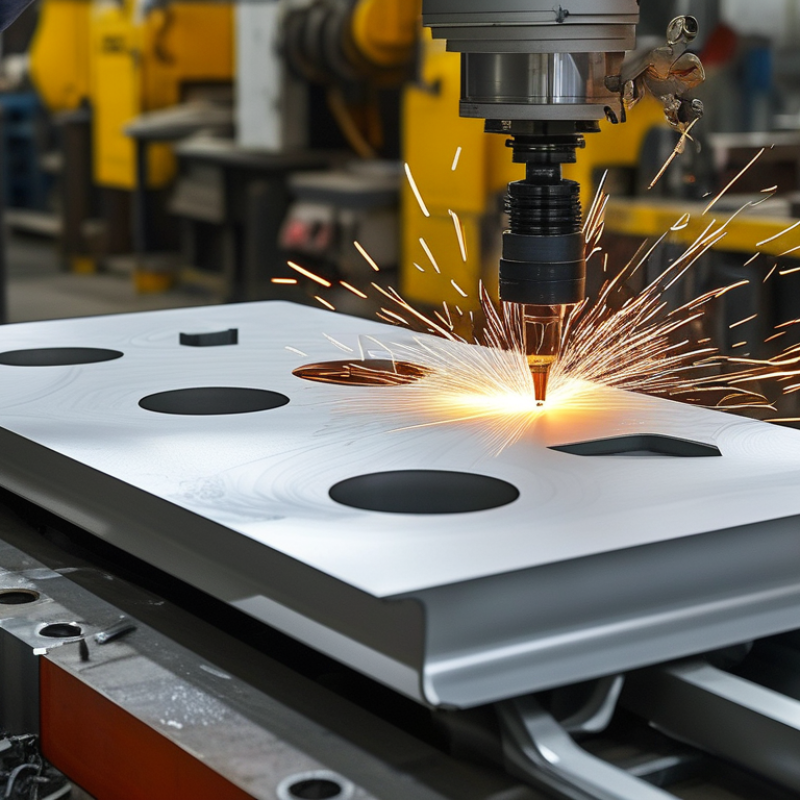
Overview of Sheet Metal Prototyping Process
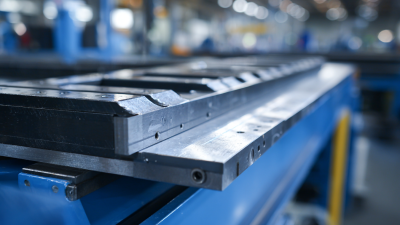
The sheet metal prototyping process involves creating precise components from metal sheets.
This process typically includes steps such as design, cutting, bending, and assembly. According to a report by the Fabricators and Manufacturers Association, about 75% of manufacturers utilize sheet metal prototyping for rapid design iterations. This method allows for quick adjustments based on testing and feedback.
Digital tools are essential in modern sheet metal prototyping. CAD software helps in creating detailed designs, ensuring the accuracy of dimensions and tolerances.
A survey by the American Society of Mechanical Engineers indicates that over 60% of engineers believe that using CAD significantly reduces errors during prototyping. However, challenges remain. Some engineers report difficulties in translating complex designs into manufacturable parts.
The benefits of this prototyping process are significant. It enhances the speed of product development, allowing companies to respond quickly to market demands. According to industry data, firms engaging in effective prototyping can cut development time by up to 30%. However, the reliance on technology may lead to oversight in certain estimations. This can result in costly revisions later in the manufacturing phase, highlighting the need for a thorough review before final production.
Key Techniques Used in Sheet Metal Prototyping
Sheet metal prototyping is an essential process in manufacturing. It employs various techniques to create parts quickly and accurately. Key methods include laser cutting,
CNC machining, and bending. Each method has its unique advantages and suitable applications. For example, laser cutting provides high precision and is ideal for intricate designs.
CNC machining, on the other hand, offers versatility and is effective for complex geometries.
According to a report by Grand View Research, the sheet metal fabrication market is expected to grow at a CAGR of 5.7% from 2022 to 2030. This growth reflects the increasing
demand for lightweight and high-strength materials across industries. Additionally, 90% of engineers prefer prototypes that can be easily adjusted based on testing results,
emphasizing the need for flexibility in prototyping methods.
However, some challenges persist. Prototyping can be costly, especially when multiple iterations are required. The need for skilled labor and advanced equipment can also pose hurdles.
Companies must weigh these factors carefully. Despite these complexities, mastering these techniques can lead to significant advancements and efficiencies in product development.
Benefits of Using Sheet Metal Prototyping for Manufacturers
The sheet metal prototyping process offers manufacturers several significant advantages. One key benefit is the rapid turnaround time in developing prototypes. According to a recent industry report, 70% of manufacturing companies noted improved speed in their prototyping processes with sheet metal techniques. This speed facilitates quicker iterations and allows for timely responses to market changes.
Furthermore, working with sheet metal can reduce material waste. Traditional prototyping methods often lead to excess scrap, whereas advanced sheet metal techniques can minimize waste. Estimates suggest that companies can reduce waste by up to 30% when utilizing these methods. This not only cuts costs but also supports sustainability efforts.
Tips:
Invest in high-quality materials to ensure durability. Ensure your design is optimized for sheet metal to maximize efficiency. Regularly review your process for continuous improvement.
Manufacturers should also consider the versatility of sheet metal. It can accommodate various designs and finish options, allowing customization to meet specific client needs. The adaptability of sheet metal can lead to innovative products that stand out in the competitive marketplace. However, prototyping might present challenges in precision and capabilities, requiring attention during the design phase.
Common Applications of Sheet Metal Prototyping
Sheet metal prototyping plays a critical role in various industries. Its applications range from automotive to aerospace. In automotive, sheet metal prototypes are vital for body panels and structural components. Engineers test these parts for fit and durability. This stage is key before full-scale production begins.
In the aerospace sector, sheet metal prototyping serves to create intricate parts. Components like brackets and housings are crafted for aircraft. Here, precision is essential. Prototypes undergo rigorous testing to ensure they withstand extreme conditions. However, not all prototypes meet expectations. This may lead to redesigns, emphasizing the iterative nature of prototyping.
Other industries also benefit from sheet metal prototypes. In electronics, for instance, casings are produced to protect sensitive equipment. Prototyping allows for adjustments in size and shape quickly. Each iteration refines the final product. Although the process is efficient, some designs may require multiple revisions. This can be frustrating, yet it highlights the pursuit of excellence in engineering.
Sheet Metal Prototyping Process and Benefits
| Aspect |
Details |
| Prototyping Process Steps |
Design, Material Selection, Cutting, Forming, Assembly, Final Inspection |
| Common Materials |
Aluminum, Stainless Steel, Copper, Brass |
| Benefits |
Cost-effective, Rapid Production, Design Flexibility, Enhanced Strength |
| Applications |
Automotive, Aerospace, Electronics, HVAC |
| Manufacturing Techniques |
Laser Cutting, CNC Machining, Press Brake Forming, Welding |
| Typical Lead Time |
1 to 3 weeks, depending on complexity |
Comparison with Other Prototyping Methods
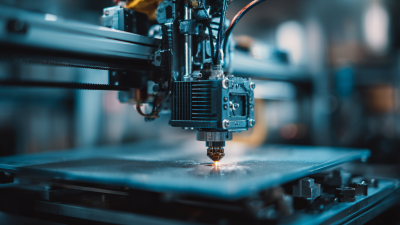
Sheet metal prototyping is a crucial step in product development, offering efficient, cost-effective solutions. When comparing it with other methods like 3D printing or injection molding, sheet metal stands out in certain areas. It excels in producing durable parts quickly, especially for applications needing precise dimensions. The resulting prototypes are often lightweight yet strong, perfect for various industries.
One key advantage of sheet metal prototyping is the ability to create complex geometries. This method allows bending and forming that can result in unique designs. While 3D printing permits intricate details, it may not always deliver the same strength as sheet metal. The latter offers a balance of quality and speed, often outperforming traditional techniques in real-world applications.
Tips: Always consider the material properties before selection. Different metals can lead to varying results, impacting the function and durability. It’s wise to prototype in a variety of materials to assess performance before final decisions. Keep in mind, limited experience with materials can lead to unforeseen inconsistencies in the final prototype. Every design should be scrutinized for potential flaws in the transition from prototype to production.