What is a Precision Vehicle Part and Why is it Important?
In the rapidly evolving automotive industry, the concept of a "Precision Vehicle Part" holds significant importance. Renowned expert Dr. Sarah Thompson, a leading figure in automotive engineering, states, "Precision vehicle parts are the backbone of performance and safety." Her insights reflect a reality that many manufacturers face today.
Precision Vehicle Parts are crafted with exacting standards, enhancing the performance of vehicles. They ensure that each component functions seamlessly, which is vital for reliability. Every vehicle on the road relies heavily on these parts to maintain efficiency. Consumers increasingly prioritize quality, leading manufacturers to invest in precision technologies. This trend underscores the importance of precision in the automotive sector.
However, it's essential to acknowledge that not all manufacturers have embraced these advancements. Some continue to use outdated methods, risking quality and safety. As the industry grows, the gap between precision and standard parts becomes critical. Understanding precision vehicle parts is not just technical; it reflects a commitment to innovation and safety in the automotive world.
Definition and Characteristics of Precision Vehicle Parts
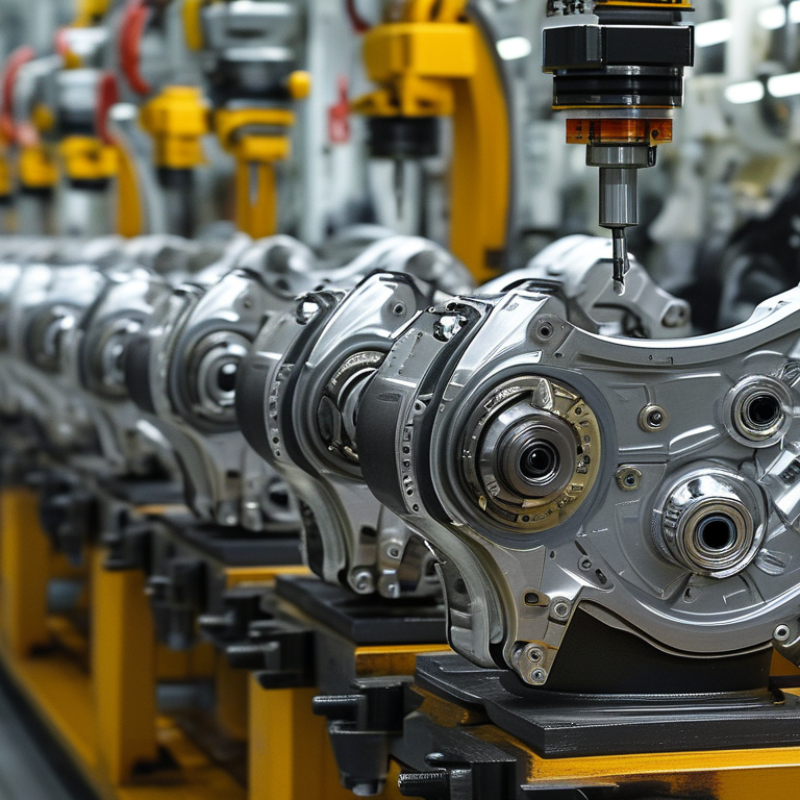
Precision vehicle parts refer to components that are manufactured with exacting standards. These parts ensure high performance and durability in vehicles. Their production often involves advanced technology and skilled craftsmanship. This results in minimal tolerances and superior fit.
Characteristics of precision vehicle parts include materials that withstand stress and temperature variations. They often exhibit features such as resistance to wear and corrosion. Additionally, these parts are designed to meet strict industry specifications. However, not all components labeled as precision meet the same quality standards.
The importance of precision vehicle parts lies in their role in safety and efficiency. They contribute to better handling and increased fuel efficiency. Yet, there are challenges in quality control. Inconsistencies during manufacturing can lead to failures. This emphasizes the need for rigorous testing and inspection processes. Ensuring reliability in these parts is crucial for vehicle longevity.
What is a Precision Vehicle Part and Why is it Important? - Definition and Characteristics of Precision Vehicle Parts
| Parameter | Description | Importance |
| Tolerances | The allowable limits of variation in a physical dimension. | Ensures parts fit together properly and function as intended. |
| Material Quality | Type and grade of materials used in manufacturing parts. | Affects durability, weight, and performance of the vehicle. |
| Surface Finish | The texture and smoothness of a part’s surface. | Influences friction, wear, and aesthetic appeal. |
| Manufacturing Precision | Accuracy of the manufacturing process in creating specifications. | Critical for ensuring that parts meet design requirements. |
| Consistency | The ability of a manufacturing process to produce uniform parts over time. | Impacts reliability and safety of vehicle components. |
The Role of Precision Parts in Vehicle Performance and Safety
Precision vehicle parts are essential for optimal vehicle performance and safety. High-quality components ensure that vehicles operate smoothly, efficiently, and reliably. According to the Automotive Research Council, precision parts can improve a vehicle's fuel efficiency by up to 10%. This increase in efficiency translates to reduced emissions, making cars more environmentally friendly.
When precision parts are integrated into vehicle systems, they enhance safety features significantly. A study conducted by the National Highway Traffic Safety Administration found that vehicles equipped with high-precision braking systems reduced stopping distances by 20%. This improvement is crucial in emergency situations, where every fraction of a second counts. Moreover, faulty components can lead to catastrophic failures. Nearly 30% of vehicle accidents are attributed to mechanical failures.
The importance of precision can’t be overstated. Many aftermarket parts may not meet stringent specifications. This discrepancy can lead to reduced performance. Vehicle manufacturers emphasize using parts that are rigorously tested for quality. However, not all consumers are aware of this. They might opt for cheaper alternatives, leading to potential safety hazards. The automotive industry must prioritize educating drivers about the significance of precision in vehicle parts.
Manufacturing Processes for Precision Vehicle Components
Precision vehicle components are essential in the automotive industry. Their manufacturing processes are critical for ensuring optimal performance, safety, and longevity of vehicles. Various techniques are used, including CNC machining, additive manufacturing, and injection molding. Each method has its advantages and disadvantages, depending on the part's complexity and materials.
CNC machining offers high accuracy and repeatability. Reports indicate that the global CNC machining market is projected to reach $100 billion by 2025, highlighting its growing importance. However, CNC machining can be costly, especially for small production runs. Additive manufacturing, on the other hand, allows for the creation of intricate designs and rapid prototyping. Despite its benefits, the material limitations can pose challenges, impacting the final product’s strength.
Injection molding is efficient for mass production but requires significant initial investment. This process can lead to variations in part quality. According to industry studies, defects in precision parts can lead to crucial vehicle failures. Continuous improvement in manufacturing processes is necessary to enhance reliability. Emphasizing quality control at every stage is vital to address these concerns.
Applications of Precision Vehicle Parts in the Automotive Industry
Precision vehicle parts are essential in the automotive industry. They ensure a vehicle runs smoothly and efficiently. These parts are designed with exact measurements, using advanced technology. This precision reduces errors, enhancing overall vehicle performance. Engineers rely on these components for safety and reliability.
Applications of precision parts are diverse. In engine manufacturing, precision is crucial. It directly impacts fuel efficiency and power. Braking systems also depend on precision parts. Any defect here can lead to dangerous consequences. Furthermore, electronic systems in vehicles require precise components to function correctly.
Despite their importance, challenges exist. Sometimes, manufacturing tolerances are hard to meet. This affects the quality of parts produced. Additionally, costs may rise when ensuring higher precision. It’s vital for manufacturers to learn from these challenges and improve. Adaptation and continuous improvement are key to staying ahead in this competitive field.
Applications of Precision Vehicle Parts in the Automotive Industry
Benefits of Using Precision Parts in Vehicle Maintenance and Repair
Precision vehicle parts play a crucial role in maintenance and repair. These components are made with strict tolerances, ensuring compatibility and functionality. According to industry reports, the use of precision parts can increase vehicle efficiency by up to 25%. This is a significant factor, especially when considering fuel costs and emissions.
Utilizing precision parts enhances overall vehicle performance and safety. For instance, high-quality brake components can reduce stopping distances. A study found that cars with precision brake systems stopped 15% shorter compared to those using standard parts. This improvement can be a matter of life and death in critical situations.
Despite the clear advantages, many vehicle owners still opt for cheaper alternatives. In some cases, these less reliable parts can lead to more significant problems down the line. A report indicated that vehicles repaired with low-quality components had a 30% higher failure rate. A common reflection here is whether saving money upfront is worth the long-term consequences. Precision parts provide reliability and performance that can save time and money in the long run.