What is a Motor Start Capacitor and How Does it Work?
In the world of electrical motors, the Motor Start Capacitor plays a crucial role. According to Dr. Emily Carter, a leading expert in electrical engineering, "The Motor Start Capacitor is essential for giving that initial push to start the motor." This device enhances starting torque, making it vital for various applications.
Understanding how a Motor Start Capacitor functions can demystify its importance. It temporarily stores electrical energy and releases it during startup. This action allows the motor to overcome inertia and reach operational speed swiftly. Without it, many motor-driven appliances would struggle to start, especially under heavy loads.
Despite its simplicity, the Motor Start Capacitor is often overlooked. Many users may not recognize its signs of failure, leading to inefficient performance or complete motor burnout. Regular maintenance and awareness can prolong a motor’s life. Recognizing the critical nature of this component ensures smoother operations and better reliability for all motor-driven equipment.
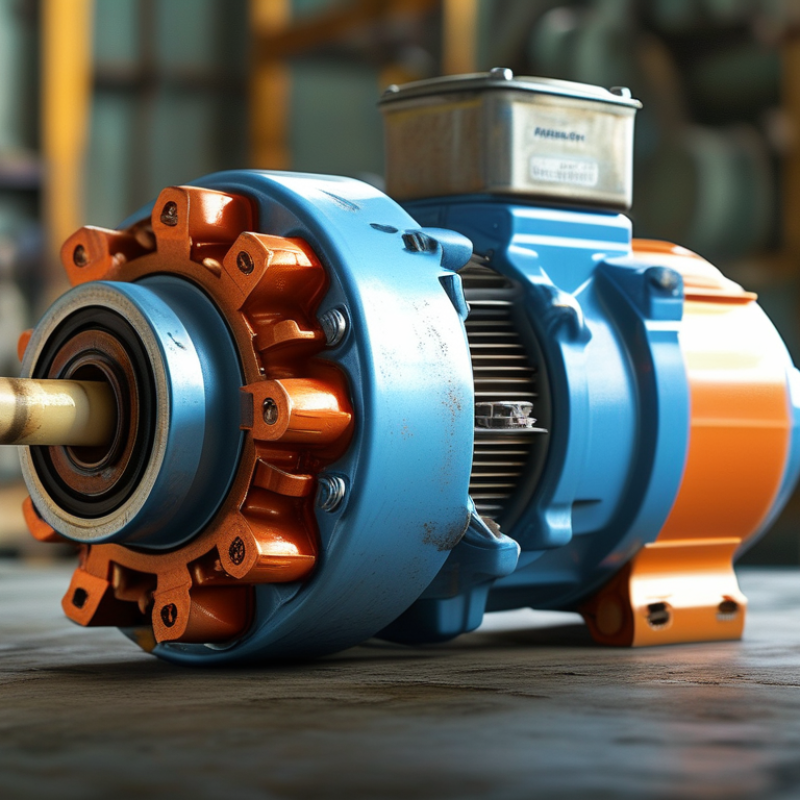
What is a Motor Start Capacitor? Definition and Purpose Explained
A motor start capacitor is a crucial component in many electrical motors. Its primary purpose is to provide an additional surge of power during the starting phase. This brief boost helps the motor overcome inertia and helps it start efficiently. Without this capacitor, many motors would struggle to start or might not start at all.
The design of a motor start capacitor is relatively simple, yet effective. It typically consists of two metal plates separated by an insulator. When electricity flows through the capacitor, it stores energy. Upon starting, this energy is released quickly, giving the motor the jolt it needs to commence operation. However, selecting the right capacitor is essential, as choosing an incorrect type can lead to motor failure.
Many users might overlook the importance of maintenance with motor start capacitors. Regular checks can prevent unexpected breakdowns. Occasionally, capacitors may malfunction due to overheating or wear. This could lead to inefficient motor performance or complete failure. Understanding the function of these devices can lead to better maintenance practices, enhancing overall motor lifespan.
The Role of Motor Start Capacitors in Induction Motors and Applications
Motor start capacitors play a critical role in the functioning of induction motors. These capacitors provide the necessary electrical boost to start the motor by creating a phase shift in the voltage. This initial surge of energy allows the motor to overcome inertia. Once the motor reaches a certain speed, the capacitor usually disconnects from the circuit, allowing the motor to run efficiently.
In practical applications, motor start capacitors can be found in various devices. Examples include air conditioners, refrigerators, and pumps. Each of these systems relies on a smooth start-up to avoid mechanical stress. It’s interesting to note that the type of capacitor used can affect the motor's performance. A wrong choice may lead to inefficiency or early failures. Users may not realize that improper installation can also lead to issues, such as overheating or even motor burnout.
While motor start capacitors are essential, they can also present challenges. Selecting the right capacitor requires careful consideration of voltage rating and capacitance. Often, users underestimate the importance of these factors. A little research can go a long way in ensuring optimal operation. Understanding the mechanics behind capacitors helps users avoid costly mistakes. Investing time in learning about these components can enhance both longevity and functionality of induction motors.
Motor Start Capacitor Performance Analysis
This chart depicts the relationship between the capacitance value (microfarads) and the effective starting torque (newton-meters) generated by different motor start capacitors used in induction motors.
How Motor Start Capacitors Function: An Electrical Overview
Motor start capacitors play a crucial role in the operation of single-phase induction motors. They provide an extra boost of electrical energy during the startup phase. This energy ensures that the motor reaches the necessary speed to operate efficiently. According to the National Electrical Manufacturers Association (NEMA), nearly 75% of all electric motors are single-phase. Therefore, understanding how these capacitors function is essential for efficient motor performance.
When a motor is powered on, the start capacitor temporarily increases the current flow. This surge allows the motor to overcome initial inertia. Typically, these capacitors are constructed with dielectric materials that can withstand high voltage for short periods. The capacitor charges rapidly, creating an electric field. This field generates a phase shift in the current, creating a rotating magnetic field that’s crucial for motor operation. According to a report from the Institute of Electrical and Electronics Engineers (IEEE), improper capacitor sizing can lead to up to 30% loss in efficiency.
However, not all motor start capacitors perform equally. Some may fail or become less effective over time. A capacitor's lifespan can vary based on usage and environmental conditions. This unreliability can cause motor failure or reduced performance. Regular maintenance and the periodic replacement of worn capacitors are essential for ensuring longevity in electric motors. Understanding these nuances can lead to better operational efficiency and reduced downtime in industrial applications.
What is a Motor Start Capacitor and How Does it Work? - How Motor Start Capacitors Function: An Electrical Overview
| Property | Description |
| Function | Provides the necessary starting torque to electric motors. |
| Types | Permanent Split Capacitor (PSC), Start Capacitor, Run Capacitor. |
| Operation | Capacitance stores energy and releases it to create a phase shift in motor coils. |
| Applications | Used in various appliances like refrigerators, air conditioners, and pool pumps. |
| Rating | Measured in microfarads (µF), indicating the capacitor's capacitance. |
| Lifespan | Typically lasts 5 to 10 years depending on usage and environmental conditions. |
| Failure Symptoms | Common signs include motor overheating, failure to start, or unusual noises. |
Key Specifications of Motor Start Capacitors: Ratings and Types
Motor start capacitors play a crucial role in electric motors, especially in single-phase AC systems. They help motors to start by providing an additional boost of energy. Understanding their key specifications can significantly impact the efficiency and longevity of your motor.
Motor start capacitors vary in ratings and types. The capacitance value, measured in microfarads, is the most critical specification. A higher capacitance value provides more starting torque, which is beneficial for larger motors. Additionally, it’s essential to consider voltage ratings. Ensure that the capacitor’s voltage rating exceeds the operating voltage of the motor. This will help prevent premature failure.
Tips: Always check the physical condition of the capacitor. A bulging or leaking capacitor indicates that it may need replacement. When choosing a capacitor, consider both the operating requirements and the environment in which the motor operates, as extreme temperatures can affect performance.
Different types of motor start capacitors are available, including electrolytic and plastic film capacitors. Each type has distinct characteristics. For example, electrolytic capacitors are generally more robust but have a shorter lifespan. Meanwhile, plastic film capacitors tend to excel in durability and longevity. Properly assessing these differences is vital for optimal motor performance.
Common Issues and Maintenance Tips for Motor Start Capacitors
Motor start capacitors play a crucial role in enhancing the starting performance of electric motors. When working with these components, maintaining their functionality is essential. A common issue is capacitor failure due to age or excessive heat. Reports indicate that over 30% of motor issues can be traced back to faulty capacitors. This highlights the need for regular checks and replacement when necessary.
It’s vital to inspect capacitors for signs of wear such as bulging or corrosion. Such visual indicators can help in identifying potential failures before they impact motor performance. Additionally, using a multimeter to test capacitance can ensure that the capacitor operates within acceptable limits. Ignoring these checks could lead to larger problems, including motor burnouts.
Schedule maintenance checks at least once a year. This proactive approach can save time and money. Remember, a small investment in maintenance can prevent costly repairs. Neglecting these components could leave you in a challenging situation with an unreliable motor. Regular attention to motor start capacitors is an effective way to enhance reliability and efficiency in your electric motors.