As we approach the 2026 Canton Fair, excitement builds around the introduction of Intelligent Forklift-Chinese technology. This year's fair runs from April 15 to May 5, covering three key segments. The focus areas range from advanced manufacturing to quality home goods. Participants can expect to see innovations that enhance logistics and efficiency.
Intelligent forklifts are designed to streamline operations. Equipped with AI, these machines can navigate complex environments. They will learn from their surroundings, adjusting routes to minimize obstacles. The ability to communicate with other smart devices is another groundbreaking feature. It's clear that automation is reshaping material handling.
While the benefits are significant, there are challenges to consider. Not every business is ready to adopt such technology. Training staff remains a critical issue, and many may feel apprehensive. The integration of intelligent systems will require adaptability. This transformation might not be seamless. Discussions about these concerns will play an essential role during the fair.
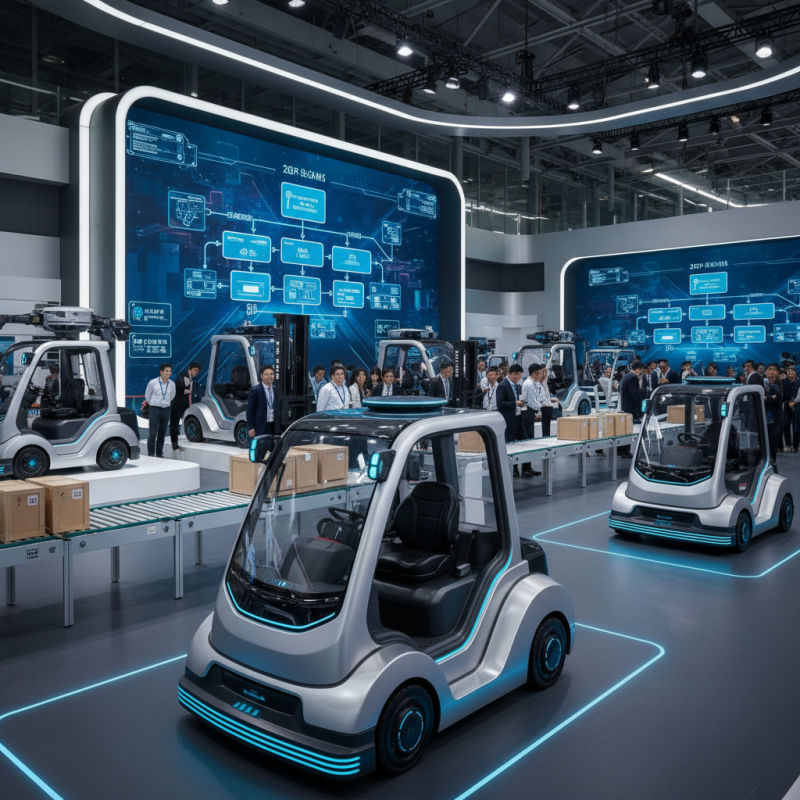
As the 2026 Canton Fair approaches, intelligent forklift technology will take center stage. Recent industry reports indicate that the global market for intelligent forklifts is projected to grow by 15% annually until 2028. This surge is largely driven by the rise of automation in logistics. Many businesses are recognizing the importance of efficiency. Yet, challenges remain.
At the fair, new features like advanced sensors and AI integration will be showcased. These technologies promise to reduce human error and increase safety. A fascinating trend is the use of predictive analytics. Forklifts equipped with this technology can foresee equipment failures. This capability could save companies significant maintenance costs. However, the complexity of integration into existing systems is still a concern.
The shift towards electric and sustainable models will also be evident. Reports suggest that 40% of the forklift market will shift to electric power by 2026. Despite these advancements, companies often struggle with the high initial investment. Adoption rates may lag due to budget constraints. While the future of intelligent forklifts looks promising, the transition will require thoughtful planning and investment.
At the 2026 Canton Fair, a range of key manufacturers will showcase intelligent forklifts. These machines are transforming the logistics industry. According to a recent industry report, the global market for intelligent forklifts is expected to grow at a CAGR of 10.5% from 2023 to 2030. This growth reflects the rising demand for automation in warehouses and distribution centers.
Among the highlighted features are advanced sensors and AI integration. These tools help enhance safety and operational efficiency. Predictive maintenance is another significant advantage. Intelligent forklifts can reduce downtime, ensuring smoother operations. However, companies must address challenges like implementation costs and training for staff. The transition requires careful planning to maximize investment.
Moreover, the focus on sustainability is gaining traction. Intelligent forklifts can reduce energy consumption significantly. Reports indicate that some models may cut energy usage by up to 30%. However, not all manufacturers have embraced this change. Companies need to evaluate their options carefully before committing to such technologies. This ensures they align with both operational goals and environmental responsibilities.
The 2026 Canton Fair will showcase cutting-edge innovations in automation and AI for forklifts. Attendees can expect to see intelligent forklift designs that enhance efficiency and safety. These forklifts will likely feature advanced sensors that detect obstacles and adapt to their environment. This technology could reduce accidents and improve workflow in warehouses.
AI algorithms will play a crucial role in optimizing operations. Forklifts may be programmed to analyze their surroundings and make real-time decisions. Imagine a forklift autonomously navigating a busy warehouse. The potential for increased productivity is exciting, yet there are challenges. Ensuring that these machines can safely operate alongside human workers needs careful consideration.
Data security will also be a point of discussion. With automation comes the need for robust cybersecurity measures. As forklifts become smarter, protecting sensitive operational data will become critical. The balance between innovation and security will require ongoing reflection. The future of forklifts at the Canton Fair promises much, but it calls for thoughtful implementation.
The rise of intelligent forklifts can significantly enhance supply chain efficiency. These smart machines utilize advanced sensors and AI algorithms to optimize operations. Imagine a warehouse where forklifts autonomously navigate through aisles, reducing the risk of collisions. They gather real-time data, allowing for better inventory management. This can lead to faster order fulfillment and reduced operational costs.
However, the transition to intelligent forklifts poses challenges. Workers may face job displacement as automation increases. Training programs will be crucial to help employees adapt to new technologies. Furthermore, integrating these forklifts into existing systems requires careful planning. Companies must invest in infrastructure to fully realize their potential.
The impact of intelligent forklifts extends beyond warehouses. They can streamline logistics, minimizing delays and improving accuracy. With real-time tracking, businesses can better respond to customer demands. Yet, there is still a learning curve ahead. Companies must continually refine their approaches. This journey demands reflection and adaptability to fully leverage intelligent forklift technology.
The future of intelligent forklifts in warehousing looks promising yet challenging. According to a recent report by MarketsandMarkets, the global autonomous forklift market is projected to reach $9.9 billion by 2025. This rapid growth highlights the increasing demand for automation in logistics and warehousing environments. Intelligent forklifts can increase efficiency and reduce operational costs. However, implementing these technologies is not without its hurdles.
Integration with existing systems remains a significant issue. Many warehouses still rely on outdated machinery and infrastructure. Upgrading to intelligent systems can involve substantial costs. Moreover, training employees to operate and maintain new technologies is essential. A study by McKinsey revealed that up to 60% of warehouse workers may need retraining as automation becomes more prevalent. This shift raises concerns about job displacement and the skills gap in the workforce.
Safety is another critical aspect. While intelligent forklifts enhance efficiency, there are risks involved. As reported by the Occupational Safety and Health Administration (OSHA), forklift incidents accounted for 34,900 injuries in the U.S. in 2018. Ensuring that automated systems are safe and reliable is a pressing concern. Balancing innovation with safety protocols will be crucial for the successful adoption of intelligent forklifts in the future.
| Cookie | Duration | Description |
|---|---|---|
| cookielawinfo-checkbox-analytics | 11 months | This cookie is set by GDPR Cookie Consent plugin. The cookie is used to store the user consent for the cookies in the category "Analytics". |
| cookielawinfo-checkbox-functional | 11 months | The cookie is set by GDPR cookie consent to record the user consent for the cookies in the category "Functional". |
| cookielawinfo-checkbox-necessary | 11 months | This cookie is set by GDPR Cookie Consent plugin. The cookies is used to store the user consent for the cookies in the category "Necessary". |
| cookielawinfo-checkbox-others | 11 months | This cookie is set by GDPR Cookie Consent plugin. The cookie is used to store the user consent for the cookies in the category "Other. |
| cookielawinfo-checkbox-performance | 11 months | This cookie is set by GDPR Cookie Consent plugin. The cookie is used to store the user consent for the cookies in the category "Performance". |
| viewed_cookie_policy | 11 months | The cookie is set by the GDPR Cookie Consent plugin and is used to store whether or not user has consented to the use of cookies. It does not store any personal data. |