2026 How to Source Decorative Steel Pipe for Your Projects?
In the world of design and architecture, the importance of sourcing the right materials cannot be overlooked. “Decorative Steel Pipe can elevate a project’s aesthetic and structural integrity,” says John Smith, a leading expert in architectural metalworks. His insights emphasize the dual role of decorative steel pipes as both functional components and visual highlights.
Sourcing decorative steel pipe requires careful consideration. Buyers must assess quality, style, and the supplier's reliability. Not all decorative steel pipes are created equal, and sometimes, the most visually appealing pieces lack the needed strength for specific applications. The market can be overwhelming, filled with options that may not suit your project's needs.
The search for the perfect decorative steel pipe can reveal challenges. Poor quality materials may compromise your design vision. An experienced professional can guide you in distinguishing between aesthetic and structural necessities. Reflecting on these aspects ensures that your project not only looks great but stands the test of time.
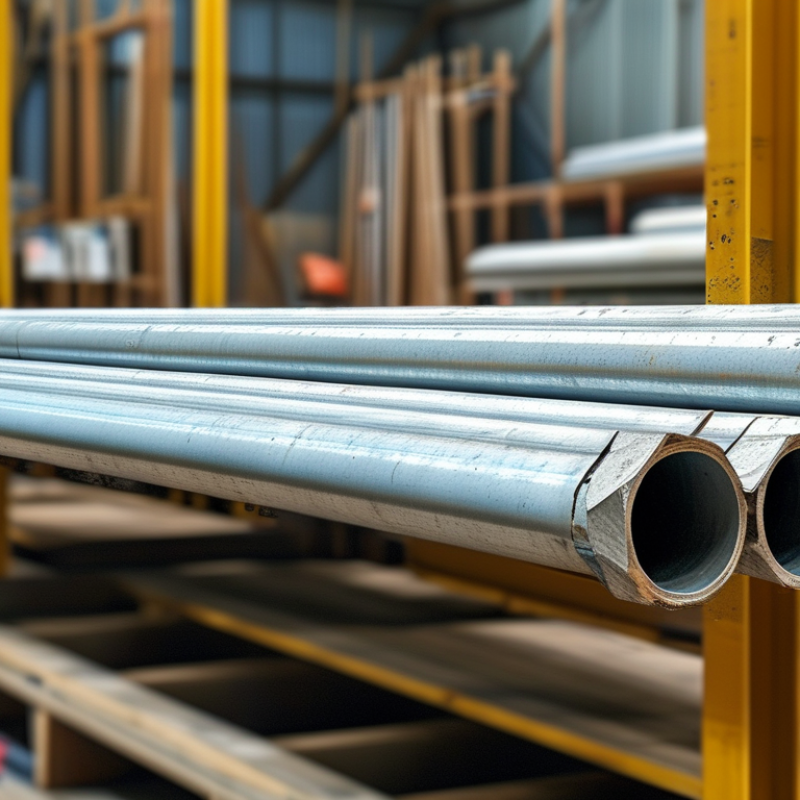
Understanding Decorative Steel Pipe: Types and Uses
Decorative steel pipes serve diverse applications, ranging from architectural designs to functional features. Understanding the different types available can significantly impact project outcomes. According to recent industry surveys, the decorative steel pipe market is expected to grow by 8.5% annually, reflecting a rising demand for aesthetic yet durable materials.
In architectural settings, ornamental pipes can enhance visual appeal. Types such as galvanized, stainless, and black steel pipes offer distinct finishes and durability. Galvanized pipes resist corrosion and are suitable for outdoor use, making them ideal for landscaping projects. Meanwhile, stainless steel provides a sleek look and is commonly used in modern structures. However, selecting the right type can be daunting, with choices often hinging on environmental exposure and desired aesthetics.
The uses of decorative steel pipes extend to furniture, railings, and artistic installations. These elements can transform spaces but require careful sourcing. Documented case studies suggest that using locally sourced materials reduces costs and ensures quality. However, not all suppliers maintain high standards, leading to concerns over reliability. It's essential to research suppliers thoroughly, taking note of previous customer feedback and industry certifications.
2026 How to Source Decorative Steel Pipe for Your Projects? - Understanding Decorative Steel Pipe: Types and Uses
| Type of Decorative Steel Pipe | Common Uses | Diameter (inches) | Finish Options | Typical Applications |
| Spiral Steel Pipe | Fencing, Signage | 1-4 | Powder Coated, Galvanized | Landscaping, Commercial Displays |
| Round Steel Pipe | Railings, Decorative Structures | 2-6 | Brushed, Painted | Architectural Features, Interior Design |
| Square Steel Pipe | Frames, Furniture | 1-5 | Chrome-Plated, Anodized | Custom Furniture, Art Installations |
| Rectangular Steel Pipe | Support Structures, Displays | 2-4 | Textured, Polished | Signage, Shelving |
Key Considerations for Sourcing Decorative Steel Pipe
When sourcing decorative steel pipe for your projects, several key considerations come into play. Understanding the specific design requirements is essential. Will the pipe be used for art installations or structural elements? Knowing its purpose helps in selecting the right specifications.
Material quality is paramount. Steel should meet industry standards to ensure durability and safety. Inspections can identify potential flaws. Visit suppliers to assess their quality control processes.
Tips: Always request samples before making large orders. This allows you to evaluate craftsmanship. Additionally, consider the aesthetic finishes that can impact the visual appeal of your design.
Another consideration is the supplier's reliability. Research potential suppliers online. Look for customer reviews and feedback. A reputable supplier will have transparent shipping and return policies. This minimizes delays and uncertainties in your project timeline.
Final thoughts on sourcing: Costs may vary widely. Balance price with quality. Cheaper options might lack necessary standards, which can lead to more significant problems later on. Investing in reliable sources from the start reduces risks.
Evaluating Quality and Specifications in Steel Pipe Selection
When considering decorative steel pipes for projects, evaluating quality and specifications is crucial. The American Society for Testing and Materials (ASTM) provides guidelines on different steel grades. Knowing these grades helps in making an informed choice. For example, ASTM A500 is commonly used for structural applications. It’s vital to select the right wall thickness and diameter to meet your project’s structural needs.
Tips: Always check for compliance with relevant standards. Look for pipes that are certified to ensure they fulfill industry specifications. This reduces risks of using subpar materials.
Understanding the finish of the steel pipe is also key. Decorative finishes can enhance aesthetic appeal while also affecting durability. Reports indicate that galvanized pipes show high resistance to corrosion, extending their lifespan. However, surface preparation and coating application must be scrutinized. Imperfections in these areas can lead to future issues.
Tips: Request samples before making a large purchase. Performing rigorous visual inspections can unveil potential defects. Not all suppliers maintain consistent quality in their production processes, which is something to keep in mind. Regularly reviewing supplier performance can help identify patterns in quality variations.
Finding Reliable Suppliers and Manufacturers for Steel Pipe
When sourcing decorative steel pipe, identifying reliable suppliers and manufacturers is crucial. According to a 2023 industry report, the global market for decorative steel pipe is projected to reach $5 billion by 2026, emphasizing the growing demand for quality materials in construction and design. Buyers often prioritize suppliers with proven track records and certifications to ensure the product meets industry standards.
When reaching out to potential suppliers, consider asking about their manufacturing processes. Transparency in sourcing materials can indicate a supplier's reliability. Look for companies that adhere to ISO certifications, as this can reflect their commitment to quality. It’s essential to research suppliers’ histories and customer reviews. Not every positive review tells the whole story.
Tips: Always request samples before making bulk purchases. This step can reveal the actual product quality. Also, consider diversifying your supplier base. Relying on one source may create vulnerabilities in your supply chain. Exploring multiple options can provide more competitive pricing and security in your projects.
2026 Decorative Steel Pipe Supply Analysis
Best Practices for Integrating Decorative Steel Pipe in Projects
Integrating decorative steel pipe into your projects requires a clear understanding of design and functionality. When sourcing these materials, consider the aesthetic and structural roles they will play. Pay attention to the finish and style of the steel pipe. Match these details with your project's overall theme. This helps create a cohesive look that enhances visual appeal.
Collaborate with experienced designers. Their insights can guide you in choosing the right pipe specifications. Think about how the pipe interacts with other materials. For instance, contrasting textures can elevate your project. Not all steel pipes are made equal; some may have imperfections. Acknowledge these variations and plan accordingly.
Installation is a crucial phase. Ensure that the installation team understands the unique characteristics of decorative pipes. They may require specialized methods. Regularly check progress to ensure alignment with your vision. Open communication is key. Acknowledge areas needing improvement. Refinement often leads to the best results in design projects.