Get an instant quote
Get in touch Listen to our podcast

Blog

Home EV Wallbox Tips for Smart Charging Solutions?

As electric vehicles (EVs) become more common, the demand for efficient charging solutions increases. Many homeowners are considering the installation of a Home Ev Wallbox. This device can simplify the charging process, making it more convenient and efficient. Charging at home not only saves time but also promotes sustainability.

However, selecting the right Home EV Wallbox requires careful consideration. Different models offer varying features, such as charging speed and connectivity options. Homeowners should assess their specific needs and the capabilities of their EVs. Understanding the electrical capacity of one’s home is crucial to avoid potential issues.

Despite the benefits, some may overlook the importance of professional installation. Improper setup can lead to inefficiencies or safety hazards. Home EV Wallbox systems have complex wiring that demands expertise. It’s essential to weigh the pros and cons thoroughly. Thoughtful planning can enhance charging efficiency and ensure a safer environment.
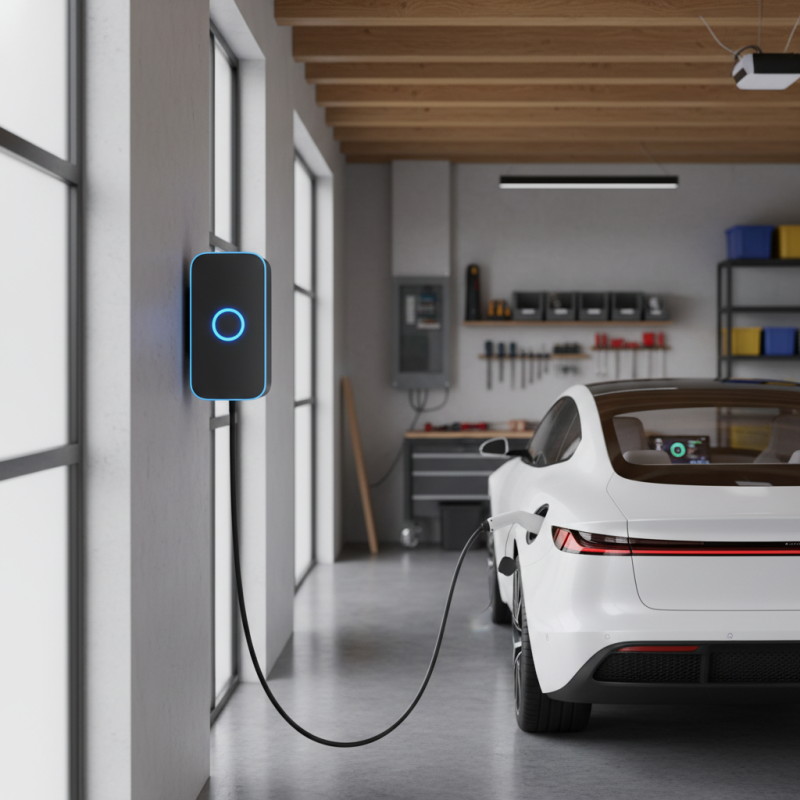
Home EV Wallbox Tips for Smart Charging Solutions?

Choosing the Right EV Wallbox for Your Home Charging Needs

When selecting an EV wallbox for home use, there are several considerations to keep in mind. The right unit can optimize charging efficiency and improve convenience. According to the International Energy Agency, home charging accounts for nearly 80% of electric vehicle charging. Thus, making an informed choice is crucial.

One key factor is charging speed. Most wallboxes offer different power levels, typically ranging from 3.7 kW to 22 kW. A higher kW rating leads to faster charging times. For example, a 7 kW charger can fully charge a typical EV in about 6-8 hours. Consider your daily driving habits. If you frequently make long trips, investing in a more powerful wallbox may be wise.

Tip: Assess your electrical system's capacity before purchasing. Installing a wallbox requires sufficient electrical infrastructure. Upgrading may add significant cost. Moreover, compatibility with your vehicle model matters. Not all wallboxes support every EV.

Lastly, think about features such as smart connectivity. Many modern wallboxes offer app integration and energy monitoring capabilities. These can help you track usage and potentially reduce charging costs. Evaluate what you value most: speed, cost, or technology. Balance your needs carefully to make the best decision.


Understanding Smart Charging Features and Compatibility

When considering home EV wallbox installations, compatibility and smart charging features are crucial. Many homeowners seek solutions that maximize efficiency. Reports indicate that over 70% of EV owners prefer charging at home. This trend emphasizes the need for compatible wallboxes that integrate with various vehicle models and charging standards.

Smart charging capabilities can optimize energy use, allowing users to take advantage of lower energy rates during off-peak hours. Research shows that smart charging can reduce energy costs by up to 30%. It enables dynamic load management, adjusting charging speed based on energy availability. However, not all wallboxes offer this feature, which may lead to higher bills or inefficient charging.

Despite the undeniable benefits of smart charging, some potential users express concerns about technology reliability. The integration process may also require professional installation, adding to initial costs. Moreover, compatibility with older EV models can be an issue. The industry must address these challenges to ensure broader adoption and user satisfaction. Understanding these aspects of smart charging makes it easier to make informed decisions when selecting a home EV wallbox.

Installation Considerations for Home EV Wallbox Systems

When considering the installation of a home EV wallbox, several factors come into play. The location is crucial. Placing the wallbox in a sheltered area protects it from the weather. It should also be near your parking spot for easy access. Avoid tight spaces or crowded areas. This helps prevent damage or accidents.

Wiring requirements are another critical aspect. A certified electrician should evaluate your home’s electrical system. This ensures it can handle the added load safely. Upgrading your electrical panel might be necessary, especially for faster charging options. Always keep safety at the forefront. Overloaded circuits can lead to major hazards.

Choosing the type of charger affects your experience. Level 2 chargers are faster but require more installation work. Assess your daily charging needs. This choice might seem tough. Reflect on your typical driving habits. Sometimes, a simpler solution may better fit your lifestyle. Balancing convenience and safety is key in this decision-making process.

Home EV Wallbox Metrics

This chart illustrates key metrics regarding home EV wallbox installation and performance, including installation costs, charging speed, compatibility, and energy efficiency. Understanding these factors can help homeowners make informed decisions about electric vehicle charging solutions.

Maximizing Charging Efficiency with Time-of-Use Rates

Home EV wallbox installations can significantly enhance charging efficiency. One essential aspect to consider is the use of time-of-use (TOU) rates. TOU rates enable homeowners to charge their electric vehicles during off-peak hours, often when the energy costs are lower. This approach not only reduces spending but also helps in managing grid demand.

To maximize these benefits, set timers on your wallbox. Monitor your local utility's rate schedule closely. Some utilities may shift rates seasonally or have specific programs tailored for EV owners. Identifying these patterns can help you optimize your charging schedule. Remember, not all EVs charge at the same speed. Knowing your vehicle’s charging capabilities is crucial. This knowledge allows you to adjust settings and take full advantage of lower rates.

However, it’s not always perfect. Connectivity issues sometimes disrupt the charging process. Disconnects may lead to unexpected costs if charging occurs during peak rates. Regularly check your wallbox settings and utility rates to avoid surprises. Assessing your energy consumption and adjusting your habits can lead to a more efficient experience. Balancing affordability and convenience is key to a smarter charging solution.

Home EV Wallbox Tips for Smart Charging Solutions - Maximizing Charging Efficiency with Time-of-Use Rates

Charging Time Slot Electric Rate (per kWh) Estimated Charge Time Total Cost for Full Charge
12 AM - 6 AM $0.08 6 hours $2.40
6 AM - 12 PM $0.12 4 hours $2.40
12 PM - 6 PM $0.20 2.5 hours $1.50
6 PM - 12 AM $0.15 3 hours $1.35

Safety Measures and Maintenance Tips for EV Wallboxes

When installing an EV wallbox, safety is paramount. According to the International Electrotechnical Commission, improper installations can lead to electrical faults and fire hazards. Ensuring that the wallbox is mounted securely and away from flammable materials is crucial. Regular inspections are also essential. Checking for frayed wires or loose connections can prevent accidents. A study from the National Fire Protection Association indicates that around 25% of electrical fires could be mitigated with proper maintenance.

Beyond safety, the longevity of your EV wallbox suffers if maintenance is neglected. Keeping the device clean impacts its functionality. Dust and moisture can impair electrical connections over time. Adopting a routine of cleaning with a damp cloth can enhance performance. Additionally, charging during off-peak hours may lower electricity costs, contributing to energy efficiency. The U.S. Department of Energy emphasizes that smart charging helps reduce strain on the electrical grid during peak times.

Despite these benefits, users sometimes overlook small maintenance tasks. Failing to update firmware can lead to security vulnerabilities. Many users might overlook this, assuming everything runs smoothly. Awareness and education about these maintenance aspects are vital for optimal operation. Addressing minor issues can save users from larger problems in the future and ensure a safe charging environment.

CNC machining CAD export file formats

Put your parts in production today

Get an instant quote