In the world of industrial equipment, Fluorine Pumps play a critical role. These pumps are designed to handle aggressive fluids, offering durability and reliability. For global buyers, understanding the nuances of Fluorine Pumps is essential.
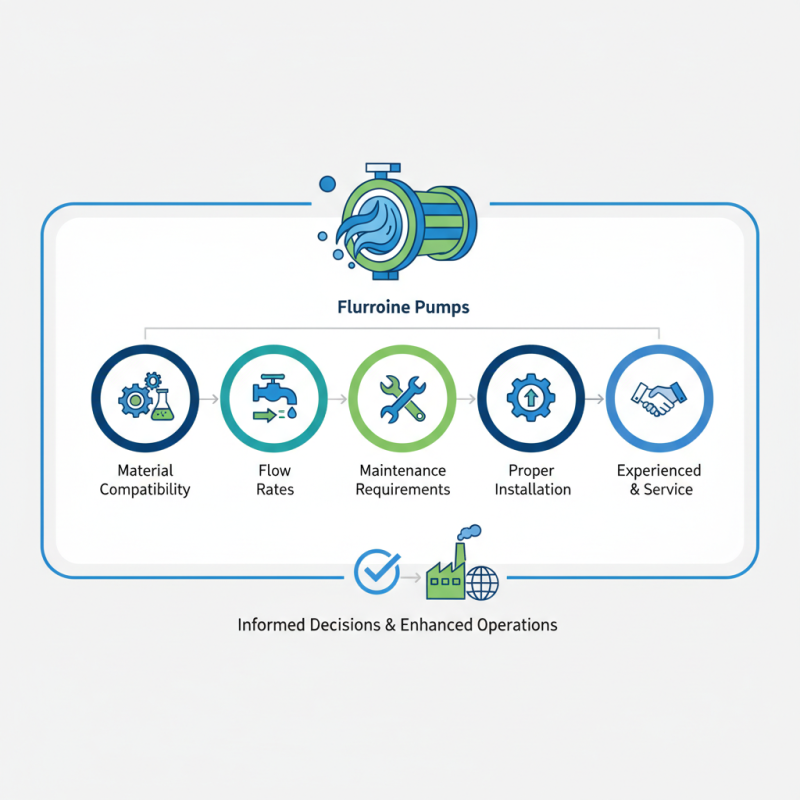
Selecting the right Fluorine Pump requires careful consideration. Not all pumps are created equal. Factors such as material compatibility, flow rates, and maintenance requirements can vary significantly. Knowing what to look for is crucial to ensuring optimal performance and longevity.
Many buyers overlook the importance of proper installation and service. Missteps can lead to costly downtime. Engaging with experienced suppliers can help you avoid common pitfalls. By focusing on these key factors, global buyers can make informed decisions and enhance their operations.
Fluorine pumps play a vital role in various industrial applications. These pumps are designed to handle aggressive chemicals, particularly those containing fluorine. They prevent leaks and ensure safety during chemical processing. Understanding their functionality can help users make informed decisions.
These pumps are built using specific materials that resist corrosion. Commonly used materials include PTFE and other fluoropolymers. Proper selection of materials is crucial. Mismatched materials can lead to pump failure. Users often overlook this detail, which can result in costly downtimes.
When it comes to applications, fluorine pumps are widely used in the chemical, pharmaceutical, and semiconductor industries. They handle fluids at extreme temperatures and pressures. However, buyers should be aware of the limitations of fluorine pumps. For instance, they might not be suitable for all fluid types. Understanding the specific needs of your application is crucial for effective use.
When selecting a fluorine pump for industrial applications, several key factors come into play. The material compatibility is crucial. Fluorine can be corrosive, so materials like PTFE and PFA are often preferred. These materials resist chemical attack and ensure longevity. It's essential to consider the pump's construction and seals, as these elements must withstand harsh chemicals without degrading.
Another significant factor is the fluid's viscosity. High-viscosity fluids may require specialized pump designs. Understanding the application’s specific needs helps in choosing the right model. Operational pressure and temperature ranges are also critical. A pump must function effectively under the specified conditions.
Finally, the total cost of ownership should not be overlooked. Energy efficiency, maintenance needs, and potential downtime all influence long-term expenses. Buyers must reflect on these aspects to make informed decisions. It's a balancing act between quality and cost. Mistakes in selection can lead to operational setbacks, highlighting the importance of thorough research.
| Factor | Description | Importance | Industry Applications |
|---|---|---|---|
| Material Compatibility | Ensure the pump materials can withstand corrosive fluids. | High | Chemical Processing, Pharmaceuticals |
| Flow Rate Capacity | Determine the required flow rate for optimal operations. | Moderate | Water Treatment, Mining |
| Temperature Range | Select pumps that operate effectively in specified temperature ranges. | High | Oil & Gas, Energy |
| Pump Design | Consider the pump's design for maintenance and efficiency. | Moderate | Food Industry, Pulp & Paper |
| Energy Efficiency | Evaluate energy consumption to reduce operating costs. | High | Manufacturing, HVAC |
When exploring the fluorine pump market, it's essential to understand the leading brands and their market share. Industry reports show that certain manufacturers dominate the scene. They hold substantial portions of the market due to their reliability and performance. Buyers need to be aware of these players to make informed decisions.
Each brand offers unique features. Some excel in energy efficiency, while others focus on durable materials. This diversity creates a complex landscape for buyers. Customers often struggle to choose the right product, given the numerous options available. Market share statistics reveal trends, but they also highlight gaps in innovation.
Not all brands perform equally well in different regions. Some face challenges adapting to local regulations. This can affect how products are perceived. Buyers should consider these factors actively. Understanding the dynamics of the market can lead to better choices. It's important to reflect on what truly matters for specific applications. Having access to accurate data is crucial for making informed decisions in this intricate marketplace.
Fluorine pumps are essential in various industrial applications. Proper maintenance greatly influences their lifespan and efficiency. Regular checks on seals, bearings, and O-rings can prevent minor issues from escalating. Look for abnormal vibrations or unusual noises during operation. These signs often indicate underlying problems that need attention.
Lubrication is critical for optimal performance. Use recommended lubricants and check levels frequently. Dust and debris can accumulate, leading to wear. Keep the pump and surrounding area clean. Additionally, operators should develop a routine inspection schedule. This practice helps identify wear before it causes significant downtime.
Training staff on proper use is essential. Inexperienced operators may overlook vital maintenance steps. Encourage a culture where concerns and observations are shared openly. Reflect on maintenance logs and performance charts regularly. They can unveil patterns that need addressing. Adopting a proactive approach will enhance the pump's reliability and reduce unexpected failures.
Fluorine pump technology is evolving rapidly. Innovations focus on enhancing efficiency, safety, and environmental sustainability. These pumps handle aggressive chemicals used in various industries, making advancements crucial for effective operations.
Recent trends indicate a shift towards smart technology. Integration of IoT devices allows real-time monitoring and predictive maintenance. This reduces downtime and increases reliability. However, the challenge remains in ensuring cybersecurity measures for these connected systems. Many companies still struggle with implementing robust data protection protocols.
Yet, improvements in material science are significant. New composite materials offer better resistance to corrosive fluids. These advances promise longer service life and reduced maintenance costs. Still, the industry must address potential vulnerabilities in these new materials. Continuous testing and quality control are essential to meet these demands. Balancing innovation with durability is a complex task, prompting ongoing discussions within the sector.
| Cookie | Duration | Description |
|---|---|---|
| cookielawinfo-checkbox-analytics | 11 months | This cookie is set by GDPR Cookie Consent plugin. The cookie is used to store the user consent for the cookies in the category "Analytics". |
| cookielawinfo-checkbox-functional | 11 months | The cookie is set by GDPR cookie consent to record the user consent for the cookies in the category "Functional". |
| cookielawinfo-checkbox-necessary | 11 months | This cookie is set by GDPR Cookie Consent plugin. The cookies is used to store the user consent for the cookies in the category "Necessary". |
| cookielawinfo-checkbox-others | 11 months | This cookie is set by GDPR Cookie Consent plugin. The cookie is used to store the user consent for the cookies in the category "Other. |
| cookielawinfo-checkbox-performance | 11 months | This cookie is set by GDPR Cookie Consent plugin. The cookie is used to store the user consent for the cookies in the category "Performance". |
| viewed_cookie_policy | 11 months | The cookie is set by the GDPR Cookie Consent plugin and is used to store whether or not user has consented to the use of cookies. It does not store any personal data. |