5 Essential Tips for Choosing a Drip Line Pressure Regulator?
Choosing the right Drip Line Pressure Regulator is vital for effective irrigation. According to Dr. Emily Carter, a leading irrigation specialist, "A well-chosen pressure regulator can make or break your irrigation system." Her insights highlight the importance of selecting the appropriate device to optimize water usage.
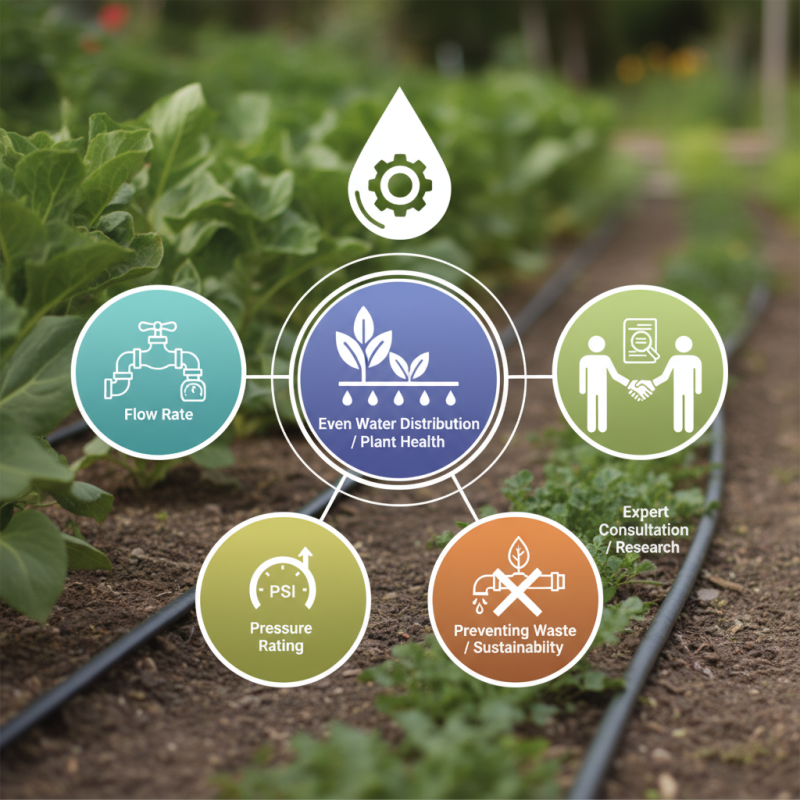
In the industry, many overlook the specifics of pressure regulation. A poorly selected regulator can lead to uneven water distribution. This can ultimately harm plant health. Paying attention to the details matters significantly. Whether you are a beginner or seasoned grower, understanding your options is crucial.
Being aware of the various factors such as flow rate and pressure ratings is essential. The wrong choice can cause frustration and wasted resources. Learning from missteps in the selection process can lead to better results. Engaging with experts like Dr. Carter can provide valuable knowledge. She emphasizes that the right Drip Line Pressure Regulator ensures a healthier garden and sustainable practices.
Understanding the Importance of Pressure Regulators in Drip Irrigation
In drip irrigation, pressure regulators play a crucial role in ensuring that water is delivered at the right pressure. These devices help maintain a consistent flow rate, which is essential for the health of plants. When water pressure is too high, it can lead to inefficient irrigation and water wastage. Conversely, low pressure may not provide adequate coverage, leaving some plants thirsty. Understanding how pressure regulators function is fundamental for any successful irrigation system.
Selecting the right pressure regulator requires careful consideration. Not all plants have the same water requirements. Some may thrive on lower pressures, while others might need more. It's important to realize that using a one-size-fits-all approach can lead to problems. A wrong choice may result in uneven watering and relentless troubleshooting.
Furthermore, the installation location can affect performance. Regulators should be positioned close to the water source to ensure proper function. However, ensuring accessibility for maintenance is equally essential. Regularly checking the regulator for clogs and wear makes a significant difference. Paying attention to these details can elevate the efficiency of your drip system dramatically.
Identifying the Right Flow Rate for Your Drip System
When selecting a drip line pressure regulator, understanding the right flow rate is crucial. This knowledge helps ensure your plants receive the optimal amount of water. Each drip system varies, and factors such as plant type and soil quality influence flow needs. For example, delicate seedlings may require lower flow rates compared to fruit-bearing plants.
Here are a couple of tips to help you choose effectively. Measure your watering area and calculate the total gallons per hour (GPH) needed. This precision can guide your choice of regulator. Additionally, consider the pressure in your water supply. A regulator should match this to maintain consistent flow. Testing your system before final installation can reveal if adjustments are necessary.
Don’t overlook local climate conditions. Humidity and temperature impact evaporation rates. This can mean adjusting flow rates during different seasons. It’s vital to monitor performance and adapt as needed. Sometimes, achieving balance may take trial and error. Prioritize experimenting to find what truly works for your various plants.
Evaluating Pressure Settings for Different Crop Requirements
Choosing the right pressure setting for a drip line regulator is crucial for crop success. Each crop has specific water needs based on factors like growth stage, soil type, and climate. For example, studies have shown that tomatoes typically require around 1.5 to 2.0 inches of water per week. In contrast, peppers may thrive with 1.0 to 1.5 inches. Selecting an adjustable pressure regulator helps accommodate these varied requirements effectively.
In the field, ideal pressure settings often range from 10 to 30 psi, depending on crop sensitivity. A regulator set too high can lead to excessive water delivery, potentially damaging root systems. Conversely, low pressure may cause inadequate watering, hindering growth. Data from the American Society of Agricultural and Biological Engineers suggests a 5-psi drop can impact water distribution uniformly across a field. Understanding the specific needs of each crop facilitates better water management and conservation. Regular monitoring and adjustment are essential for optimizing yields and preventing water wastage.
Pressure Settings for Different Crop Requirements
Comparing Materials and Durability of Pressure Regulators
When selecting a drip line pressure regulator, the materials and durability play a crucial role. Regulators are often made from plastic, brass, or stainless steel. Plastic regulators are lightweight and affordable. However, they may not withstand harsh weather conditions. They can crack or degrade over time. Choosing a durable material is essential for long-term performance.
Brass regulators offer better durability. They resist corrosion and can handle higher pressures. However, brass can be heavier and more expensive. It's important to consider the specific environment where the regulator will be used. In areas with extreme temperatures or harsh elements, stainless steel may be the best option. It provides high durability and withstands rust and corrosion easily. Yet, it can be costly and might not be necessary for all installations.
Selecting the right material for your pressure regulator requires careful thought. Cheaper options might save money initially but could result in more frequent replacements. Harder materials can last longer, saving trouble down the road. Always weigh your options based on the specific needs of your drip irrigation system. What works for one application might not suit another situation. Testing and research will guide your decision-making process.
5 Essential Tips for Choosing a Drip Line Pressure Regulator
| Material | Durability Rating | Temperature Range (°F) | Pressure Range (psi) | Lifespan (years) |
| Plastic | Moderate | 32 to 120 | 10 to 30 | 5 |
| Brass | High | 0 to 180 | 15 to 50 | 10 |
| Stainless Steel | Very High | -40 to 250 | 20 to 70 | 15 |
| PVC | Moderate | 30 to 140 | 5 to 25 | 3 |
| Aluminum | High | -30 to 200 | 10 to 60 | 8 |
Installing and Maintaining Your Drip Line Pressure Regulator
Maintaining your drip line pressure regulator is crucial for effective irrigation. A well-installed regulator ensures even water distribution. Studies show that maintaining consistent pressure can improve water efficiency by up to 30%. Regular checks help avoid potential leaks or pressure drops, which can lead to uneven watering and plant stress.
To prolong the life of your regulator, consider these tips. Clean the filter regularly to prevent clogs. Over time, dirt and debris accumulate. This can affect performance. Inspect connections frequently for leaks or wear. Addressing small issues early can save replacements later. Aim for a pressure range of 10 to 30 PSI for optimal performance.
Another important aspect is seasonal maintenance. In colder climates, winterizing your system is essential. Draining the regulator can prevent damage from freezing. Many experts recommend testing pressure each season, ensuring that the regulator works properly throughout the year. By prioritizing these maintenance practices, you guarantee a healthier landscape, even in challenging conditions. Proper installation and sustained care can ultimately enhance the performance of your drip irrigation system.