What is Electrical Steel and Its Importance in Industry?
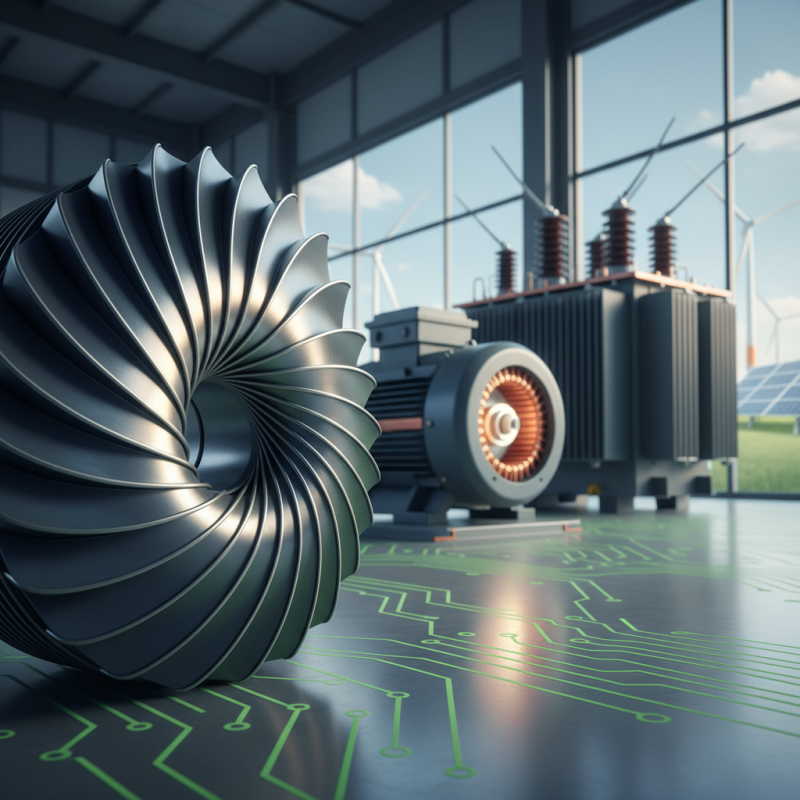
Electrical Steel plays a crucial role in modern industry. It is a specialized material that improves the efficiency of electrical devices. This steel is essential for transformers, electric motors, and generators.
The unique properties of Electrical Steel reduce energy losses. This leads to significant savings in electricity. However, we must consider the environmental impact in its production. The demand is increasing, but sustainability is often overlooked.
Innovation in Electrical Steel can drive industrial growth. Companies are investing in technology to enhance its performance. Still, challenges remain in balancing cost and quality. The importance of Electrical Steel cannot be underestimated, yet it requires continuous reflection and improvement.
Definition and Composition of Electrical Steel
Electrical steel is a specialized type of steel designed for specific applications in electrical systems. This steel primarily consists of iron with small amounts of silicon added to improve its magnetic properties. The silicon content typically ranges from 0.5% to 6.5%. This alloying process is crucial because it enhances magnetic permeability. This means electrical steel can conduct magnetic fields efficiently, which is essential for transformers and motors.
The manufacturing process of electrical steel involves techniques like cold rolling. This process creates thinner sheets of steel, making it more efficient for magnetic applications. These sheets are also often coated to reduce energy losses during operation. Despite its advantages, the production of electrical steel is not without challenges. For example, the thinner sheets can sometimes lead to structural weaknesses. Manufacturers need to constantly innovate to maintain the delicate balance between performance and durability. The industry must reflect on these issues to enhance the quality and efficiency of electrical steel.
Types of Electrical Steel Used in Industry
Electrical steel is a vital material used in the manufacture of various electrical equipment. Its unique properties make it highly efficient in applications such as transformers, electric motors, and generators. There are several types of electrical steel, each tailored to specific industrial needs.
Silicon steel is one of the most common types. It typically contains about 3% to 5% silicon, which improves magnetic properties. This type allows for reduced energy losses during operation, making it ideal for transformers. The global market for silicon steel is projected to reach over $25 billion by 2025, driven by its increasing use in renewable energy applications.
Another type is non-grain-oriented electrical steel (NGO). This steel is uniform in structure and suitable for rotating machines. Its isotropic properties ensure consistent performance in various directions. However, NGO can be more challenging to manufacture. Reports indicate that the demand for NGO is rising, but quality control remains a concern. Producers often face issues related to surface quality and thickness tolerances.
Grain-oriented electrical steel (GO) contrasts with NGO because it is processed to have better magnetic properties in one direction. This distinction is crucial for applications requiring high efficiency. Industry reports show that GO is expected to dominate the electrical steel market due to its superior performance. However, the complexity in production can lead to variability in output quality.
Key Properties and Specifications of Electrical Steel
Electrical steel, crucial in the manufacturing of transformers and electric motors, possesses unique properties that enhance its performance. This material is engineered to minimize energy loss during magnetic cycles. A report by the Steel Institute indicates that electrical steel can reduce energy losses by up to 10% compared to conventional steel. This efficiency is vital for industries aiming to improve energy conservation and reduce costs.
Key specifications for electrical steel include its magnetic permeability and loss, measured in watts per kilogram. High-grade electrical steel showcases low core loss values, often below 1.5 W/kg at 1.5 Tesla. These precise measurements make it critical in applications where energy efficiency is a priority. However, achieving these standards requires careful control during production. Variations in composition can lead to inconsistent results.
Furthermore, electrical steel is classified into grain-oriented and non-grain-oriented types. Grain-oriented steel is known for its superior magnetic properties, especially in transformer cores. Non-grain-oriented steel, while more versatile, often displays higher losses. It is essential to match the type of electrical steel to specific application requirements, but this choice brings challenges. Not all manufacturers maintain the same quality standards. Users must remain vigilant about sourcing and testing materials to ensure optimal performance.
What is Electrical Steel and Its Importance in Industry? - Key Properties and Specifications of Electrical Steel
| Property | Value | Unit |
| Electrical Conductivity | 1.5 - 2.5 | S/m |
| Magnetic Flux Density (B) | 1.5 - 2.2 | T (Tesla) |
| Core Loss (P) | 0.5 - 1.5 | W/kg |
| Thickness | 0.5 - 0.35 | mm |
| Chemical Composition - Silicon (Si) | 1.0 - 4.0 | % by weight |
| Grain Orientation | Non-oriented / Oriented | - |
| Yield Strength | 300 - 500 | MPa |
| Usage | Transformers, Motors, Generators | - |
Applications of Electrical Steel in Electrical Engineering
Electrical steel plays a crucial role in electrical engineering. Its unique magnetic properties make it ideal for transformers, motors, and generators. When designing these devices, engineers prioritize efficiency and performance. Using electrical steel can significantly reduce energy losses. This translates into better operation and lower operational costs.
Many components require specific types of electrical steel. For instance, silicon steel is commonly used for transformer cores. It enhances magnetic permeability and minimizes eddy current losses. In motors, laminated electrical steel is vital. The laminations reduce energy wastage, increasing overall efficiency. However, the production process can be expensive and complex.
Choosing the right type of electrical steel requires careful consideration. Not all applications are the same, and needs vary widely. Engineers must weigh the costs against performance benefits. Sometimes, the best choice isn't the most obvious one. Balancing these factors can lead to tough decisions. It's vital to reflect on past projects to improve future ones. Mistakes can teach valuable lessons in material selection and application efficiency.
Impact of Electrical Steel on Energy Efficiency and Sustainability
Electrical steel plays a crucial role in improving energy efficiency in various industries. It is widely used in transformers, motors, and generators. This material significantly reduces energy losses during operation, which is vital for sustainable practices. With rising energy costs, companies are increasingly focused on maximizing efficiency. Electrical steel aids in achieving that goal by enhancing performance.
However, the production of electrical steel isn't without challenges. The processes involved can be energy-intensive, raising concerns about sustainability. Many manufacturers are reflecting on their methods. They seek ways to optimize the manufacturing process and use recycled materials. A balance must be struck between efficiency and environmental impact. This ongoing conversation is essential in today's industrial landscape.
Transitioning to a more sustainable approach can lead to long-term benefits. The industry should prioritize research and innovation. There is potential for new technologies to improve electrical steel's efficiency. Engaging in sustainable practices not only helps the environment but can also reduce costs. Reflecting on these aspects will drive change and foster a greener future for the electrical steel industry.
Impact of Electrical Steel on Energy Efficiency and Sustainability