How to Choose the Right Universal Bone Drill for Your Needs?
Choosing the right Universal Bone Drill can be challenging. Dr. Sarah Bennett, a renowned orthopedic surgeon, states, “Not all drills are created equal.” This highlights the importance of understanding your specific needs before making a decision.
When considering a Universal Bone Drill, factors like power, speed, and ergonomics play crucial roles. A drill that feels uncomfortable can lead to fatigue during procedures. Likewise, the drill's weight affects maneuverability. Surgeons should evaluate their own preferences and working styles to find a suitable match.
Moreover, it’s essential to reflect on the variety of available features. Some drills come with advanced settings, while others focus on simplicity. Sometimes, more options can mean more confusion. Take the time to assess not only what is available, but also what will truly benefit your practice. Adapting to the right Universal Bone Drill requires thoughtful consideration.
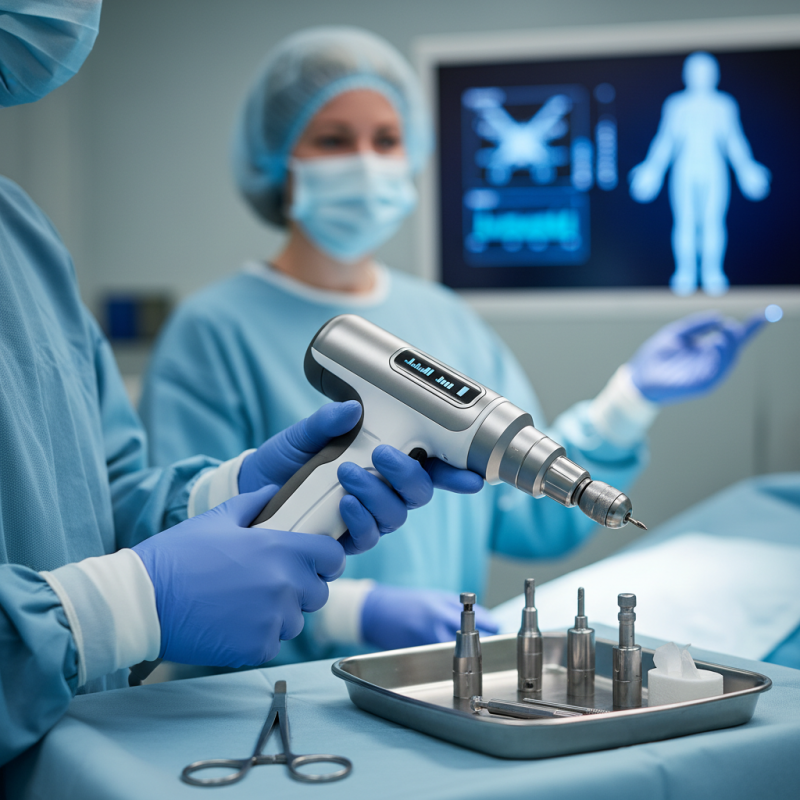
Understanding the Different Types of Universal Bone Drills Available
When selecting a universal bone drill, it's vital to understand the different types available. Most clinicians prefer electric drills due to their speed and power. According to a recent industry report, over 70% of orthopedic surgeons choose electric units for their precision. These tools allow for better control and less thermal damage to tissues.
Pneumatic drills are another option. They are lighter but can be less powerful. Recent data indicates that almost 50% of professionals report concerns about their reliability in compact spaces. This raises questions about their suitability for certain procedures. Additionally, manual drills remain a choice for some, especially in rural clinics where power supply is limited. Their simplicity has merits, although user fatigue can be an issue.
It's essential to consider the type of surgeries performed. A study highlighted that 30% of surgeries require different drilling techniques. These techniques influence the drill's design and functionality. Understanding the needs of your practice can guide the choice effectively. Each drill type has its strengths and weaknesses. Discerning these factors is crucial for optimal outcomes.
Key Features to Consider When Selecting a Bone Drill for Surgery
When selecting a universal bone drill for surgical procedures, key features are essential. These features can significantly impact performance and outcomes. Look for drill speed and torque. Both are crucial for different types of bone. A drill with adjustable speeds offers versatility. This is important as some surgeries may require careful handling.
Drill weight also matters. A lightweight drill reduces fatigue during long surgeries. However, it should not compromise power. Ergonomics play a vital role too. A well-designed handle improves grip and comfort. Remember, a comfortable grip allows for better precision.
Tips: Always check the drill's noise levels. A quieter drill can help maintain focus during critical moments. Additionally, consider maintenance needs. Some drills may require frequent care, impacting operational readiness. Make a note of these factors. Reflect on your needs before making a decision.
Evaluating the Ergonomics and User-Friendliness of Bone Drills
When choosing a universal bone drill, ergonomics and user-friendliness are crucial. Many healthcare professionals experience hand fatigue. A survey by the Journal of Orthopedic Surgery found that over 70% of surgeons reported discomfort during lengthy procedures. Choosing a bone drill designed with comfort in mind can significantly reduce this fatigue.
Consider the weight and grip of the drill. Heavier tools might be more challenging to control, especially during long surgeries. A study showed that drills under one pound were preferred by 65% of respondents for precision. Also, textured grips can enhance control, which is vital during intricate procedures. Lack of grip can lead to mistakes, even with experienced users.
User-friendliness extends to the drill's interface. Intuitive controls save time and minimize errors. Reports indicate that surgeons who preferred simpler controls felt more confident in high-pressure situations. This highlights the importance of not just effectiveness but also the ease of use. Investing in a drill that prioritizes ergonomics and usability can lead to better outcomes and greater job satisfaction.
Bone Drill Ergonomics and User-Friendliness Evaluation
Assessing the Safety Standards and Reliability of Bone Drills
When selecting a universal bone drill, safety standards are paramount. High safety standards ensure reliable performance. This protects both the patient and the operator. It’s crucial to review the drill's compliance with regulatory requirements. Understand the certification process of the product. This check can prevent unexpected failures during surgery.
Tips: Always look for drills that provide clear documentation of safety protocols. Ask for user reviews on reliability. Real experiences can shed light on potential flaws. While many drills perform well, some may have hidden weaknesses.
Another aspect to consider is how the drill feels in your hands. Weight, grip, and control matter significantly. A comfortable, ergonomic design can lead to better precision. Objective tests should reveal any inconsistencies in performance. Keep in mind, even a minor design flaw can compromise safety.
Tips: Test different models if possible. Focus on ease of handling. Drill design should feel natural during use. Remember, comfort can greatly influence your surgical outcome.
Comparing Price and Warranty Options for Universal Bone Drills
When comparing price and warranty options for universal bone drills, several factors come into play. Many industry reports indicate that the price range for these drills can vary significantly. Entry-level models might start around $500, while advanced versions can exceed $2,000. Budget constraints are important. A lower price often means fewer features or less durability.
Warranty options are crucial when choosing a drill. A standard warranty typically lasts one to two years. However, premium models may offer extended warranties. This can provide peace of mind, especially for high-cost tools that risk wear and tear. Industry statistics suggest that nearly 30% of users report problems within the first year. A solid warranty can mitigate future repair costs.
Some hospitals and clinics may neglect warranty details. They focus only on immediate costs. This approach can lead to dissatisfaction later. Understanding the total cost of ownership is vital. It includes not just the purchase price but also maintenance and potential repairs. Gathering feedback from peers and reviewing warranty policies can illuminate these issues. With careful consideration, users can find a drill that truly meets their operational needs.
How to Choose the Right Universal Bone Drill for Your Needs? - Comparing Price and Warranty Options for Universal Bone Drills
| Model | Price Range ($) | Warranty (Years) | Weight (lbs) | Speed (RPM) |
| Model A | 500 - 700 | 3 | 4.5 | 1200 |
| Model B | 600 - 800 | 5 | 5.0 | 1100 |
| Model C | 700 - 900 | 4 | 6.0 | 1300 |
| Model D | 800 - 1000 | 6 | 4.8 | 1250 |