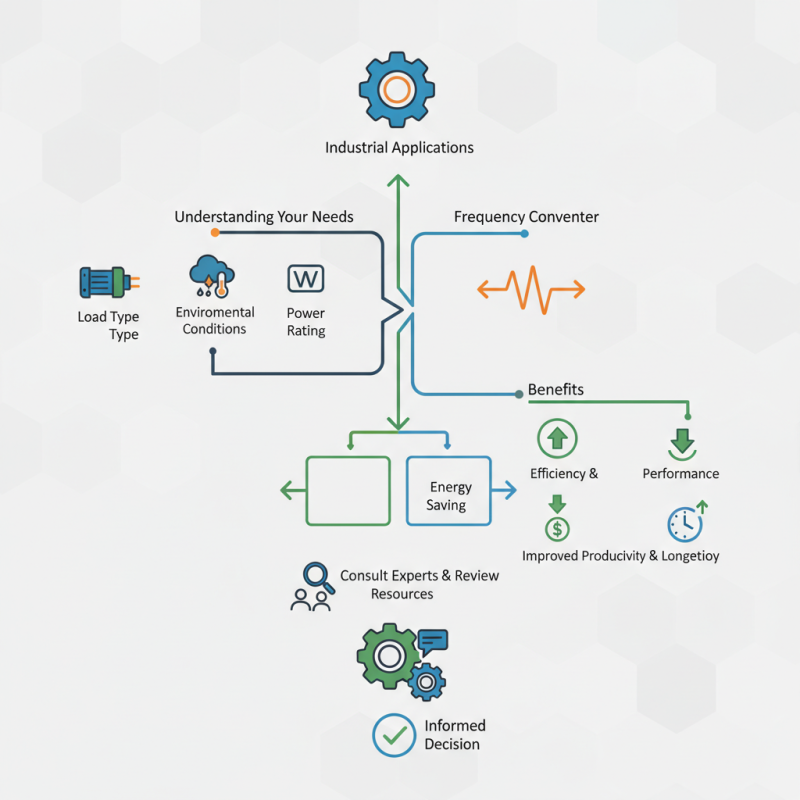
Choosing the right Frequency Converter is critical for various industrial applications. A frequency converter is designed to change the frequency of electrical power. This adjustment allows for the use of motors and equipment with specific requirements.
Understanding your needs is essential. Different converters serve different purposes. Factors such as load type, power rating, and environmental conditions must be considered carefully. The right choice enhances efficiency and performance. An ideal converter minimizes energy loss, helping you save money in the long run.
However, selecting a frequency converter can be overwhelming. The market offers numerous options, each with unique features. Inexperienced buyers may feel confused by the technical specifications and jargon. It's important to consult with experts and review reliable resources. Making an informed decision can lead to improved productivity and longevity of your equipment.
Frequency converters are critical components in various industrial applications. They adjust the frequency and voltage of electrical power to match the requirements of specific equipment. In their recent report, the International Electrotechnical Commission stated that frequency converters contribute to more than 15% of energy savings in industrial processes. This utility underscores their effectiveness in enhancing energy efficiency and reducing operational costs.
Different industries utilize frequency converters for varied applications. For instance, HVAC systems employ these devices to maintain optimal airflow and temperature control. A study from the Energy Research Centre revealed that using frequency converters in HVAC can cut energy consumption by up to 30%. This data highlights the importance of selecting the right frequency converters for specific needs. It’s noteworthy that not all converters suit every application, and improper selection can lead to performance issues.
Cost is another factor influencing the decision-making process. While a cheaper frequency converter may seem appealing, it might not offer the necessary features. Potential pitfalls include lower efficiency and reduced lifespan. Choosing the right converter requires balancing cost with performance needs. Engaging with experienced professionals can enhance the selection process and address complexities inherent in different applications.
| Application | Power Range | Input Voltage | Output Voltage | Phase Type | Control Method |
|---|---|---|---|---|---|
| Pumps | 0.5 - 30 kW | Single-phase 120V | Single-phase 120V | Single-Phase | Voltage Control |
| Conveyor Systems | 1 - 50 kW | Three-phase 380V | Three-phase 400V | Three-Phase | Vector Control |
| Fan Systems | 0.5 - 100 kW | Single-phase 240V | Three-phase 415V | Single/Three-Phase | Sensorless Vector Control |
| Elevators | 5 - 50 kW | Three-phase 400V | Three-phase 400V | Three-Phase | Torque Control |
When selecting the right frequency converter, it’s essential to consider several key factors. First, analyze the application requirements. Different applications, such as motor control or HVAC systems, have unique needs. Assess the load type and operating conditions. For instance, variable torque loads require a different approach than constant torque loads. Understanding these specifics will ensure a more accurate match with the converter specifications.
Another crucial factor is the power rating. It’s vital to choose a converter with appropriate power capacity. An undersized converter may cause overheating, leading to potential failure. Additionally, consider the input and output voltage levels. Compatibility is critical; mismatched voltage can damage equipment. You may also need to factor in the operational environment. Harsh conditions, such as extreme temperatures or dust, might require special considerations. Reflecting on these aspects can prevent costly mistakes later. Not every choice will align perfectly with your needs, prompting a need for ongoing evaluation.
Choosing the right power rating for your frequency converter is crucial. The power rating determines how much load the converter can handle. It should match the requirements of the connected equipment. For instance, if your machinery requires 5 kW, the converter should be rated slightly higher, around 6 to 7 kW. This allows for safe operation without overloading the converter.
Consider the operating environment as well. High temperatures or humidity can affect performance. In such cases, you may need a unit with a higher power rating. This ensures reliability under various conditions. However, it’s easy to err by overestimating needs. An oversized converter can lead to inefficiencies and increased costs.
Consulting with experts can help clarify requirements. They provide insights on specific applications and conditions. While online resources are helpful, personal experience still plays a role. Reflect on past projects and their power ratings. Did they meet your needs? Were there issues? By analyzing these factors, you can make a more informed choice.
This chart illustrates the distribution of different power ratings for frequency converters. Understanding this distribution can help you choose the right power rating based on your specific application needs.
When selecting a frequency converter, understanding input and output voltage requirements is crucial. Voltage specifications greatly influence the converter's performance and efficiency. Consulting industry reports reveals that mismatched voltage can lead to equipment failure or reduced longevity. According to the International Electrotechnical Commission, nearly 30% of electrical failures result from incorrect voltage levels.
To ensure optimal functionality, identify your current input voltage and the required output voltage for your application. Devices often operate at common voltages like 230V, 400V, or 480V. Use a multimeter for precise measurements. This aids in selecting a compatible converter that meets your system's specifications.
Tips: Always check equipment compatibility. An oversight here can result in financial losses. Match the converter's input voltage with your power source to avoid complications. Remember, converters may have a voltage range, but it's wise to operate within recommended limits for safety and efficiency. Understanding these parameters lays a strong foundation for a successful project.
When selecting a frequency converter, it’s crucial to evaluate its features and specifications to ensure you meet specific operational requirements. Consider the voltage input range your application demands. A converter with a wider input range can offer more flexibility for future needs. Also, examine the output frequency capabilities. Different applications may require specific frequency settings, and having adjustable options can enhance performance.
It’s not just about numbers; performance metrics matter. Look into the efficiency ratings of converters. Higher efficiency often leads to reduced energy costs in the long run. Checking the thermal performance is another critical aspect. A converter that dissipates heat effectively will operate reliably over time.
Tips: Always review user feedback for real-world performance insights. This can shed light on potential shortcomings or common issues. Don’t rush through specs; comparing different models in detail can unveil hidden gems suited to your needs. Lastly, remember to assess the support options. Reliable customer service can make a significant difference in post-purchase experiences and operations.
| Cookie | Duration | Description |
|---|---|---|
| cookielawinfo-checkbox-analytics | 11 months | This cookie is set by GDPR Cookie Consent plugin. The cookie is used to store the user consent for the cookies in the category "Analytics". |
| cookielawinfo-checkbox-functional | 11 months | The cookie is set by GDPR cookie consent to record the user consent for the cookies in the category "Functional". |
| cookielawinfo-checkbox-necessary | 11 months | This cookie is set by GDPR Cookie Consent plugin. The cookies is used to store the user consent for the cookies in the category "Necessary". |
| cookielawinfo-checkbox-others | 11 months | This cookie is set by GDPR Cookie Consent plugin. The cookie is used to store the user consent for the cookies in the category "Other. |
| cookielawinfo-checkbox-performance | 11 months | This cookie is set by GDPR Cookie Consent plugin. The cookie is used to store the user consent for the cookies in the category "Performance". |
| viewed_cookie_policy | 11 months | The cookie is set by the GDPR Cookie Consent plugin and is used to store whether or not user has consented to the use of cookies. It does not store any personal data. |