How to Choose the Right Cast Nylon Pipe for Your Needs?
Choosing the right Cast Nylon Pipe can significantly impact your project’s success. With various options available, it’s essential to understand your specific needs. Cast Nylon Pipes are known for their excellent wear resistance and durability, making them a popular choice in many industries.
When selecting a Cast Nylon Pipe, consider factors such as temperature resistance, chemical compatibility, and pressure ratings. Each application may have unique requirements that can affect pipe performance. Small details can lead to significant variations in outcomes.
Moreover, not all suppliers are equal in quality or service. Researching reputable manufacturers can make a difference. Reflect on your past experiences and seek feedback from industry experts. This process can be challenging, but careful consideration will lead to better decisions. Making an informed choice is crucial for ensuring functionality and longevity in your equipment.
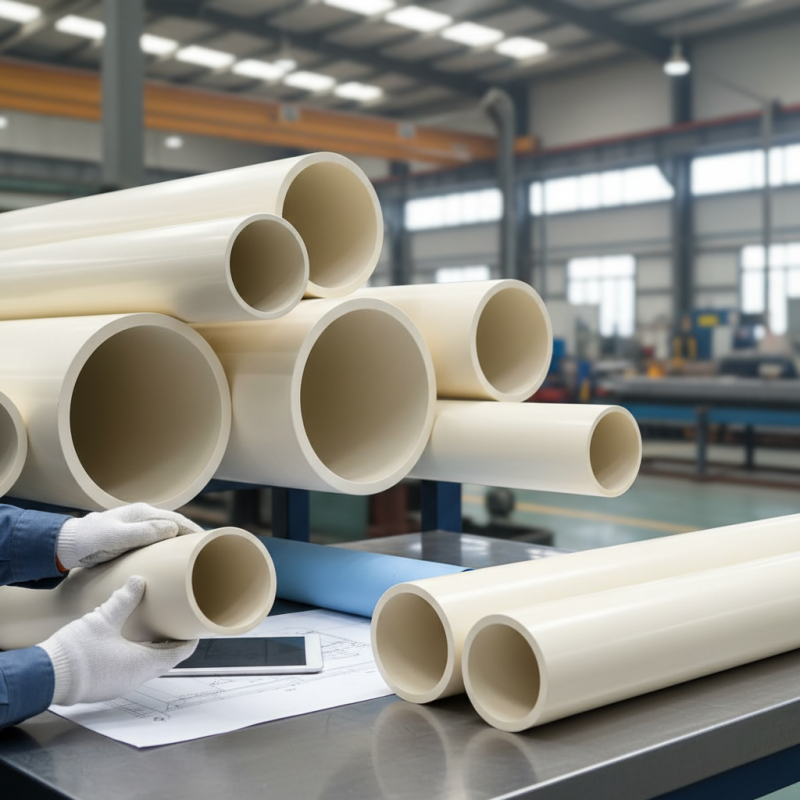
Understanding Cast Nylon: Properties and Characteristics
Cast nylon, also known as polyamide, exhibits unique properties that make it popular in various industrial applications. Its strength and durability stand out. This material offers excellent resistance to wear and abrasion, making it ideal for demanding environments. It also has a low coefficient of friction, which is critical for components that engage frequently. Cast nylon pipes are typically lightweight, yet maintain good tensile strength and impact resistance.
Another essential characteristic of cast nylon is its chemical resistance. It can withstand exposure to oils, fuels, and many solvents. However, it's important to note that it is not suitable for strong acids or bases. The thermal stability of cast nylon allows it to perform well across a wide temperature range. Nevertheless, the material can absorb water, which may affect its mechanical properties over time. Users should consider these factors when selecting cast nylon pipes for specific applications.
Key Applications of Cast Nylon Pipes in Various Industries
Cast nylon pipes have become essential in various industries due to their unique properties. They are strong, wear-resistant, and versatile. According to the MarketsandMarkets report, the global cast nylon market is expected to grow at a CAGR of 6.7% from 2021 to 2026. This growth indicates an increasing demand across several sectors, including automotive, aerospace, and construction.
In the automotive industry, cast nylon pipes are widely used in fuel lines and coolant systems. Their resistance to chemicals enhances durability and efficiency. Data from the Society of Automotive Engineers shows that nylon components can reduce weight by up to 30%, contributing to better fuel economy. In aerospace applications, cast nylon pipes handle harsh conditions efficiently, thanks to their strength and flexibility. This makes them ideal for hydraulic systems.
In construction, cast nylon pipes often replace metal ones, reducing corrosion issues. A report from the Construction Materials Association highlights that these pipes have a lifespan increase of 50% over traditional materials in certain conditions. However, users must consider the specific operating environment. Factors such as temperature changes and exposure to UV light may affect performance. Ensuring compatibility with the intended application is crucial for optimal results.
Factors Affecting the Selection of Cast Nylon Pipe Sizes and Dimensions
Selecting the right cast nylon pipe involves multiple factors that affect its dimensions and sizes. One critical element is the intended application. Different industries have unique requirements, impacting the diameter and wall thickness of the pipe. For example, a pipe used in heavy machinery may need a larger diameter to handle high pressure. On the other hand, a smaller pipe might suffice for less demanding applications.
Another factor to consider is the environmental conditions the pipe will face. Temperature fluctuations can affect material behavior. Cast nylon pipes may warp or deform if exposed to extreme heat or cold. It is essential to understand these conditions to select appropriate dimensions. Additionally, the specific fluid transported through the pipe also matters. Different fluids can have varying corrosive effects, which will influence the required thickness of the pipe.
Considering these aspects can be challenging. Proper calculations are crucial to ensure the dimensions meet operational needs. Many overlook the significance of these factors, leading to performance issues down the road. A thorough understanding of the environment and application goes a long way in making informed decisions. Therefore, it is wise to conduct extensive research or consult experts when choosing cast nylon pipe dimensions. Making an informed selection enhances reliability and performance in real-world applications.
How to Choose the Right Cast Nylon Pipe for Your Needs? - Factors Affecting the Selection of Cast Nylon Pipe Sizes and Dimensions
| Size (Inches) | Inner Diameter (mm) | Outer Diameter (mm) | Wall Thickness (mm) | Length (m) | Temperature Resistance (°C) |
| 2 | 50.8 | 63.5 | 6.4 | 3 | 90 |
| 3 | 76.2 | 89.0 | 6.4 | 2 | 85 |
| 4 | 101.6 | 114.3 | 6.35 | 5 | 80 |
| 5 | 127.0 | 140.0 | 6.5 | 6 | 75 |
Performance Metrics: Comparing Cast Nylon with Other Materials
When comparing cast nylon pipes with other materials, certain performance metrics are crucial. Cast nylon is well known for its toughness and wear resistance. It can outperform steel and aluminum in various applications, especially in environments where corrosion resistance is essential. This unique property makes it ideal for industrial settings.
However, it’s essential to consider the application. Cast nylon pipes may not be suitable for extreme temperatures. They can expand and lose structural integrity under heat. In contrast, metals often perform better in such conditions. Understanding the operational environment can help dictate the best material choice.
Tip: Always assess the working temperature and pressure. Cast nylon might excel in standard conditions, but extremes can compromise its performance.
Another critical metric is the weight-to-strength ratio. Cast nylon is
lightweight yet strong, which can reduce shipping and installation costs. However, some users report challenges in sourcing high-quality cast nylon. Inconsistent manufacturing standards can lead to performance variability. This should be part of your consideration process.
Tip: When selecting cast nylon pipes, verify the supplier’s quality certifications. Reliable sources ensure consistent performance.
Ultimately, understanding these metrics will help in choosing the right
cast nylon pipe. It’s vital to weigh the pros and cons of each material. Your application's specific requirements will guide this decision.
Environmental and Cost Considerations in Choosing Cast Nylon Pipes
When selecting cast nylon pipes, environmental and cost factors play crucial roles. Cast nylon has excellent wear resistance and low friction characteristics, making it a viable option across various industries. According to a report from the American Society of Mechanical Engineers, cast nylon can reduce energy consumption in certain applications by up to 20%. This statistic highlights its efficiency compared to other materials, which can significantly impact operational costs.
Environmental sustainability is another key consideration. Cast nylon is recyclable, but the recycling rate in the industry remains low, around 15%. This is a concern for companies aiming to minimize their carbon footprint. Certain manufacturing processes release harmful byproducts, leading to a greater environmental impact. Businesses need to weigh the benefits of using cast nylon against its environmental implications.
Additionally, the initial cost of cast nylon pipes can be higher than alternatives. However, the long-term savings in maintenance and replacement need careful assessment. A lifecycle cost analysis can offer insights into whether the investment aligns with a company's financial strategy. Choosing the right material is not just about initial expenditure; it reflects brand values and commitment to sustainability.