How to Choose the Best Beach Flag for Your Event Needs?
When planning an event, visibility and branding are key. Beach Flags have gained popularity as effective tools for promotion. According to a recent industry report, 70% of event organizers believe that eye-catching displays significantly enhance participant engagement. A Beach Flag can convey your message clearly and attractively.
Selecting the right Beach Flag is essential. Factors such as size, design, and location greatly influence its effectiveness. Research indicates that events utilizing custom flags see a 50% increase in audience interaction. However, many brands overlook the importance of flag materials and wind resistance, leading to subpar results. The wrong choice can hinder your visibility.
Implementing Beach Flags can elevate your event to new heights. However, striking the right balance between aesthetics and practicality is challenging. Not all flags perform as expected in diverse weather conditions. Understanding these aspects will help you make informed decisions, ensuring your event stands out for the right reasons.
Understanding Different Types of Beach Flags Available for Events
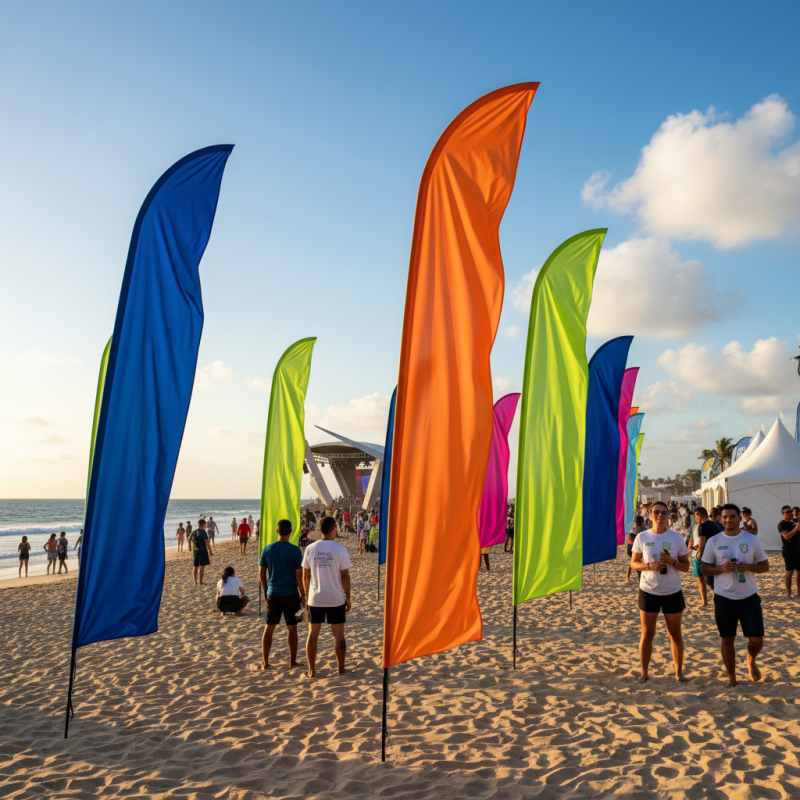
When planning an outdoor event, selecting the right beach flag can greatly enhance visibility and branding. There are several types of beach flags to consider. Feather flags, for instance, are tall and promote high visibility. Their lightweight structure allows them to sway gently in the wind, drawing attention effectively. These flags are ideal for festivals and outdoor markets.
Another type is the teardrop flag. Its unique shape catches the eye, even in crowded areas. Teardrop flags often work well on beaches or near heavy foot traffic. They can be customized for specific messages or logos, making them perfect for promotional events. Consider the environment where the flag will be placed. Wind direction, layout, and nearby attractions can influence how visible the flag will be.
Thinking about durability is also essential. Certain flags are made from materials that resist fading and wear. However, if you expect rough weather, investing in sturdier models may be wise. Keep in mind that not all flags perform equally in various conditions. Reflecting on your specific needs can guide you to the best choice. Each event is unique, and so are your requirements.
Identifying the Ideal Size and Shape for Your Specific Event Requirements
Choosing the right beach flag involves understanding the ideal size and shape for your event. Research indicates that flags around 10-12 feet tall are particularly effective for visibility. They can be easily seen from a distance, making them suitable for trade shows or outdoor festivals. Conversely, smaller flags might work well in confined spaces, where large displays can be overwhelming.
The shape also plays a crucial role. Tear-drop flags create a dynamic look, making them popular for active events. Straight flags, on the other hand, provide a more traditional feel. Depending on your target audience, the flag's visual design can evoke different emotions. According to industry data, custom designs can increase engagement by 30%, which emphasizes the need for careful selection.
Additionally, consider the environment where the flag will be displayed. High winds can damage lightweight materials. A flag designed for strong weather might be less portable. Reflecting on these details can help prevent costly mistakes. Balancing visibility and stability ensures the flag serves its purpose effectively.
Evaluating Material Options for Durability and Weather Resistance
When selecting beach flags, material choice is crucial for durability and weather resistance. According to a recent industry report, polyester is a popular option due to its lightweight nature and affordability. It offers decent resistance to sunlight, making it ideal for outdoor events. However, it may fade quicker under severe weather conditions.
Nylon is another strong contender. It is more durable and provides better wind resistance than polyester. A study indicated that nylon flags can last up to 30% longer than their polyester counterparts when exposed to harsh elements. Choosing nylon may result in higher upfront costs, but this investment can pay off with longevity.
Tip: Always consider the climate of your event location. If strong winds or rain are expected, opt for heavier materials. Pay attention to stitching as well; reinforced stitching can significantly extend the life of your flag. Remember that material quality directly affects how well your flag represents your event. Prioritize materials that can withstand the demands of the environment while maintaining a professional appearance.
Material Durability and Weather Resistance of Beach Flags
Considering Design Elements to Effectively Capture Attention
When selecting a beach flag for your event, design elements play a critical role in capturing attention. Vibrant colors and bold graphics can draw the eye. Consider using images that are relevant to your message. A simple, clean design often communicates more effectively than a crowded one.
Tip: Use contrasting colors to enhance visibility. If your flag has a dark background, use light text and vice versa. This contrast helps ensure your message stands out, even from a distance.
Additionally, think about the shape of your flag. Traditional banners may not be as effective at the beach. Flags that flutter in the wind can create a dynamic effect, engaging passersby more than static displays. However, be careful not to overcomplicate the design. Too many elements can confuse your audience.
Tip: Limit your text to a few impactful words. This helps reinforce the key message without overwhelming viewers. An attention-grabbing design can be memorable, but it should also be clear and straightforward. Reflect on your design choices and consider feedback for continuous improvement.
Determining the Best Placement and Setup for Maximum Visibility
When setting up beach flags, visibility plays a crucial role. The right placement can attract attention to your event. Position flags where foot traffic is highest. Common spots include entrances, walkways, and near popular attractions. Consider natural lighting as well. Flags in shadowed areas may go unnoticed, while those in sunlight will stand out.
Wind direction also affects visibility. Flags should flutter freely to capture attention. Choose locations where wind will help, not hinder. Avoid placements behind large objects. Test potential spots before the event. Move the flags to see how they interact with the environment.
It’s important to reflect on your setup. Missteps can occur. Flags may be accidentally obscured or poorly aligned. Take the time to reassess their positions throughout the event. This allows for adjustments that improve foot traffic engagement. Actively observing the flow of attendees gives insights into the most effective placements.
How to Choose the Best Beach Flag for Your Event Needs? - Determining the Best Placement and Setup for Maximum Visibility
| Flag Type | Height (ft) | Material | Best Use Case | Setup Time (min) | Visibility Distance (ft) |
| Teardrop Flag | 10 | Polyester | Outdoor Events | 5 | 150 |
| Rectangular Flag | 12 | Nylon | Trade Shows | 7 | 200 |
| Banner Flag | 8 | Vinyl | Promotions | 4 | 120 |
| Feather Flag | 11 | Polyester | Festivals | 6 | 160 |