How to Choose the Right SMD Diode for Your Electronics Needs?
In the rapidly evolving electronics industry, selecting the right Diode SMD is crucial. Diodes play a vital role in circuit design, influencing performance and durability. A recent report by the Electronics Industry Association indicates that over 30% of product failures are linked to incorrect diode selection. This highlights the need for precision when choosing components.
Dr. Emily Chen, a renowned expert in semiconductor technology, states, "Selecting the right SMD diode is more than just compatibility; it’s about understanding your circuit's demands." Her insights emphasize the complex nature of diode selection. Factors such as forward voltage, reverse recovery time, and package size must be carefully assessed to avoid common pitfalls.
While many engineers rely on general guidelines, mistakes often stem from a lack of specific application knowledge. For instance, choosing a diode without considering heating effects can lead to circuit failure. These challenges underscore the importance of informed decision-making in the realm of Diode SMD.
Understanding SMD Diodes: Types and Applications
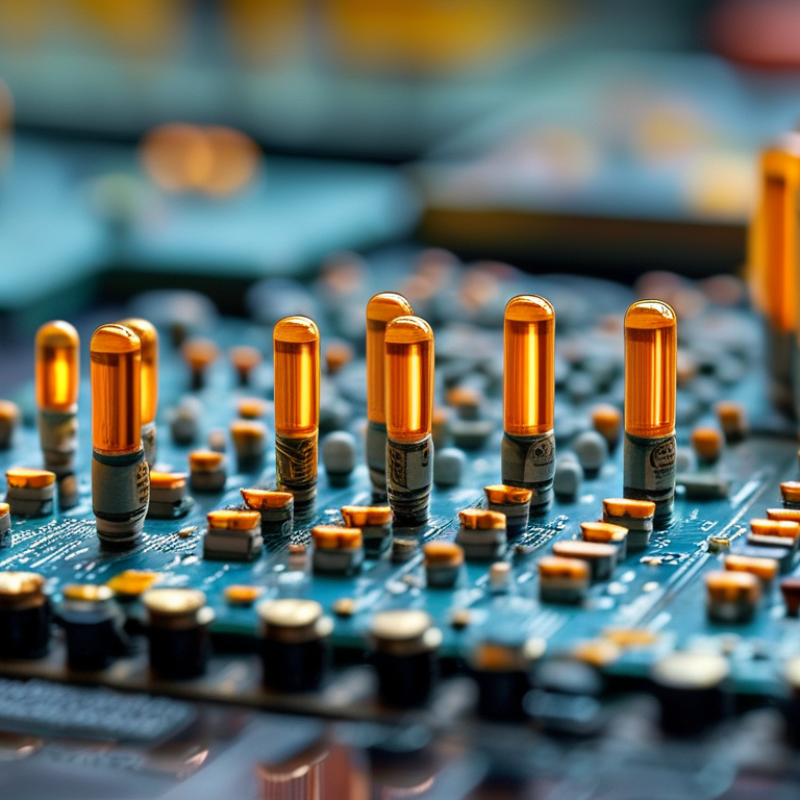
SMD diodes, or Surface Mount Diodes, play a crucial role in modern electronics. They are compact and designed for surface mounting, which saves space on circuit boards. Understanding the types of SMD diodes is essential for effective application. Common types include rectifier, zener, and signal diodes, each serving distinct purposes. For instance, rectifier diodes are often used in power conversion while zener diodes are ideal for voltage regulation.
The application of SMD diodes varies widely. In LED lighting, they manage current flow. In RF circuits, they help with signal demodulation. It’s vital to consider the specifications like forward voltage and current rating. Misunderstanding these can lead to circuit failures. Engineers frequently overlook the thermal characteristics of diodes. High temperatures can affect performance and lifespan. Testing under real conditions is often necessary, although it may not always be feasible.
Selecting the right SMD diode can feel overwhelming. Different applications require specific features, which may not be clear at first glance. It's okay to seek guidance from more experienced professionals. Trial and error might help, but this approach is not always efficient. The right knowledge and understanding of available types can lead to better decisions.
Key Specifications to Consider When Choosing SMD Diodes
When selecting SMD diodes, key specifications are crucial for optimal performance. First, consider the forward voltage (Vf) rating. This indicates the voltage drop across the diode when conducting. A Vf rating between 0.2V and 0.8V is typical for silicon diodes. Selecting a diode with an appropriate Vf ensures minimal energy loss, making your circuit more efficient.
Next, take note of the reverse breakdown voltage (Vbr). This specification outlines the maximum reverse voltage the diode can handle without conducting in reverse. For most applications, a Vbr of at least 20-50V is sufficient. However, in high-frequency applications, a higher Vbr may be required to prevent breakdown.
Another essential factor is the current handling capability. The datasheets often display the maximum average current (Iavg) the diode can handle. Generally, for SMD diodes, Iavg ratings range from 0.5A to 5A. Make sure to choose a diode that meets or exceeds your circuit's current needs. Failing to do so can lead to overheating or premature failure. Always err on the side of caution, as these ratings can vary significantly between different models.
How to Choose the Right SMD Diode for Your Electronics Needs?
| Specification | Description | Value/Example |
| Forward Voltage (Vf) | The voltage drop across the diode when forward-biased. | 0.3 - 0.7 V |
| Reverse Voltage (Vr) | The maximum reverse voltage the diode can tolerate. | 20 - 1000 V |
| Forward Current (If) | The maximum current the diode can conduct in the forward direction. | 1 - 10 A |
| Peak Reverse Current (Ir) | The maximum reverse current that can flow through the diode. | 30 - 100 mA |
| Package Type | The physical package in which the diode is housed. | SOD-123, SOD-323 |
| Temperature Range | The operating temperature range of the diode. | -55°C to 150°C |
| Capacitance | The capacitance in the reverse direction, which can affect switching speed. | 10 - 300 pF |
Factors Affecting SMD Diode Performance and Reliability
When selecting SMD diodes, several factors affect their performance and reliability. Knowing these elements can enhance your design process. For instance, the forward voltage drop is critical. It impacts power efficiency in circuits. According to an industry report, diodes with lower forward voltage drops can improve energy savings by up to 15%. This is crucial for battery-operated devices.
Temperature rating is another vital consideration. A diode's ability to operate under varying temperatures affects its longevity. Data shows that diodes rated for higher temperatures tend to have a lower failure rate. Some manufacturers report a 20% increase in reliability for diodes rated above 150°C. However, excessively high ratings may lead to inaccuracies in specifications. Testing is essential.
Moreover, look at the package size and diode type. Smaller packages may mean higher density but can lead to thermal issues if not managed properly. As per research, thermal resistance can increase by 10% in tightly packed designs. It's important to balance size with heat dissipation. Finalizing the right SMD diode requires careful thought. Each choice influences overall system performance and durability.
Tips for Sourcing Quality SMD Diodes from Suppliers
When sourcing quality SMD diodes, it is essential to consider various factors that contribute to their performance and reliability. According to industry reports, the demand for SMD diodes has been rising significantly, projected to grow at a CAGR of 5.6% from 2020 to 2026. This growth underscores the importance of finding optimal suppliers who can deliver superior components.
One tip for sourcing SMD diodes is to assess the supplier's certifications and quality control measures. Reliable suppliers often adhere to industry standards such as ISO 9001. This ensures their manufacturing processes meet rigorous quality benchmarks. Additionally, verify the supplier's track record by requesting references or reviews from previous clients. Transparency is key.
Another consideration is the sourcing of diodes based on their specifications. Ensure they meet your application's requirements, such as forward current and reverse voltage ratings. Be cautious of deals that seem too good to be true; low prices may indicate subpar quality. Investing in quality components can save significant costs in repairs and replacements down the line, so weigh price against reliability carefully.
Lastly, consider the technical support offered by the supplier. Having access to knowledgeable support can help troubleshoot issues that arise, enhancing your overall project success. Make sure that potential suppliers provide this vital resource.
Comparison of SMD Diode Forward Voltage Drop
Common Mistakes to Avoid When Selecting SMD Diodes
Choosing the right SMD diode for your project can be challenging. Many makers make common mistakes that affect performance. One significant error is not checking the diode's voltage and current ratings. If these don't match your circuit, you may face failure or inefficiency.
Another mistake involves ignoring power dissipation. You must consider how much heat the diode generates. If the heat exceeds the rating, the diode can fail. Use proper heat sinks if necessary.
**Tip:** Always refer to the data sheet for specifications. This document provides essential information regarding limits and features.
A misconception is that all SMD diodes are interchangeable. In fact, different types serve unique functions—like rectification or switching. Understand your needs clearly.
**Tip:** Take the time to research. A diode that fits one application might not work for another. Make sure to ask experienced engineers or consult reliable sources.
Don't rely solely on online calculators for selecting diodes. While helpful, they may not consider all variables in your project. Always double-check with practical tests when possible for validation.