Get an instant quote
Get in touch Listen to our podcast

Blog

How to Choose the Right Commercial Drying Equipment for Your Needs?

When selecting the right Commercial Drying Equipment, it’s essential to consider various factors. The drying process plays a pivotal role in many industries. Quality equipment can enhance efficiency and reduce operational costs. However, choosing the wrong type can lead to inefficiencies and increased maintenance.

Many businesses underestimate the importance of proper equipment. Without understanding specific needs, investments may not deliver expected results. Consider the nature of the material being dried. Is it sensitive to heat? What volume will be processed daily? These questions are vital in guiding your choice.

Moreover, not all Commercial Drying Equipment is created equal. Brands vary significantly in technology, reliability, and support services. Engaging with experts can provide valuable insights. They can help evaluate your requirements and recommend suitable options. It's crucial to reflect on your needs continuously. Sometimes, even established businesses overlook or misjudge their requirements. Balancing efficiency with budget constraints can be tricky.
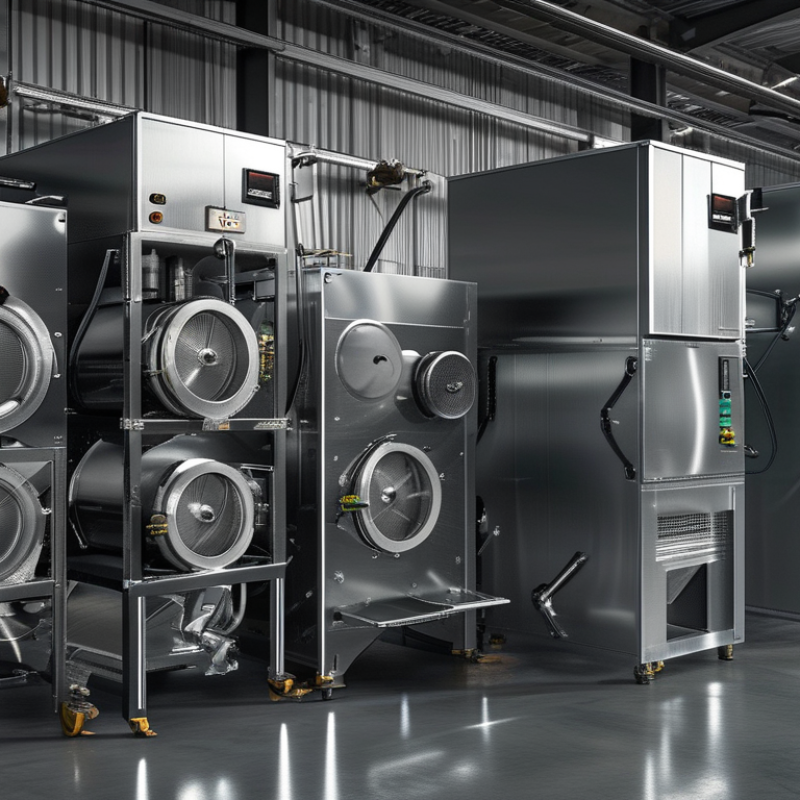
How to Choose the Right Commercial Drying Equipment for Your Needs?

Factors to Consider When Selecting Commercial Drying Equipment

Choosing the right commercial drying equipment requires careful consideration. Key factors include capacity, drying method, and energy efficiency. Assess the volume of materials you need to dry daily. This determines the size and type of equipment necessary for your operations.

Energy consumption cannot be overlooked. More efficient models may have a higher upfront cost but can save money in the long term. Research different drying technologies, such as convection or infrared. Each method has its pros and cons, which will impact performance and costs.

Think about maintenance and ease of use. Equipment that is complicated can lead to errors and downtime. User-friendly controls can make training staff easier. Remember, the best choice might not always be the most expensive one. Consider durability and service support as well. Reflect on the reputation of manufacturers and their track records in your industry.


Types of Commercial Drying Equipment Available in the Market

When selecting commercial drying equipment, it's crucial to understand the various types available. You can find options tailored for specific materials and applications. For instance, air dryers use heated air to remove moisture from products. Vacuum dryers operate under reduced pressure, allowing for gentle drying of sensitive substances. If you deal with bulk materials, consider rotary dryers that efficiently handle large volumes.

Tips: Assess the size of your operation. Smaller setups may benefit from portable options, while larger facilities need robust machines. Equipment capacity should match your production needs for optimal efficiency.

Another option is tunnel dryers, which provide a continuous drying process. This is particularly beneficial for high-volume production lines. Additionally, dehumidifying dryers help control humidity levels in sensitive environments. You might also encounter infrared dryers, which transfer heat directly to the material, speeding up drying times.

Tips: Evaluate energy efficiency. Higher efficiency saves operational costs. Reliability is essential, too. Regular maintenance ensures consistent performance, reducing unexpected downtime. Experimenting with different drying methods will help refine your approach. Each type has its strengths and weaknesses, so reflect on your operational goals.

Key Performance Metrics for Evaluating Drying Equipment Efficiency

When selecting commercial drying equipment, efficiency is paramount. Key performance metrics include drying rate, energy consumption, and moisture removal effectiveness. According to industry reports, a drying system's efficiency can vary significantly. For instance, systems that operate in optimal conditions typically achieve drying rates of 0.5 to 1.5 kg of water per hour per kW of energy input. This means evaluating the energy-to-output ratio is critical for long-term cost savings.

Moisture removal effectiveness is another crucial factor. A good drying machine should achieve at least 90% moisture removal for most applications. Some studies suggest that the best equipment can reach up to 95%. However, achieving these metrics often requires precise temperature control and airflow management, which not all models offer. There is also the challenge of balancing efficiency with production capacity. Users may need to compromise between speed and cost-effectiveness, leading to potential over-investment in high-capacity units that may not be fully utilized.

Ultimately, it is vital to assess these metrics against specific operational needs. Not every application requires the highest efficiency. In some cases, matching the equipment to the product's nature can lead to better performance, even if it means sacrificing some efficiency. Engaging with data from user experiences can provide deeper insights into what metrics should take precedence in your decision-making process.

Understanding the Energy Consumption and Sustainability of Dryers

When selecting commercial drying equipment, understanding energy consumption is crucial. Energy-efficient dryers can significantly reduce operational costs. These savings add up over time, improving your bottom line. Research suggests that energy-efficient models use 20-30% less energy than their less efficient counterparts. This metric is vital for businesses focused on sustainability and operational efficiency.

Sustainability also extends to the materials used in the dryer construction. Choosing models made from recycled or environmentally friendly materials is essential. Such options demonstrate a commitment to reducing environmental impact. However, it can be challenging to find the right balance between durability and sustainability. Some units may offer lower material impact but lack the longevity of traditional models, requiring adjustments in your decision-making process.

Additionally, consider the dryer’s overall efficiency in drying processes. Some dryers may consume less energy but require longer drying times. This can lead to increased energy use over time. Striking a balance between efficiency, energy use, and drying effectiveness is an ongoing challenge. Evaluating these factors will help align your commercial drying needs with your environmental goals.

Energy Consumption of Different Types of Commercial Drying Equipment

This chart illustrates the energy consumption of different types of commercial drying equipment. As shown, energy usage varies significantly, highlighting the importance of sustainable choices in drying technologies.

Cost Analysis: Budgeting for Your Commercial Drying Solutions

When budgeting for commercial drying solutions, understanding the cost is crucial. Start by assessing the initial purchase price of the equipment. While higher-priced units may offer better efficiency, consider the long-term costs, like maintenance and energy consumption. Sometimes a cheaper machine may lead to higher operating expenses over time. It's essential to analyze the total cost of ownership to make an informed decision.

Next, evaluate your specific needs. For instance, a facility handling large volumes of materials may require a more robust dryer, which can be pricey. On the other hand, smaller operations might find simpler models sufficient. Reflect on the volume and type of product you'll be drying. Will your choice stand up to the demands of consistent use? Understanding this can prevent over or under-investing.

Also, think about hidden costs that could arise from poor choices. A dryer that doesn't meet your needs may lead to product loss or inefficiencies. This can spiral into unplanned expenses. Thus, engaging with experts who can offer insights into your industry can be incredibly valuable. Their expertise can guide you toward selecting equipment that aligns with your operational goals and budget constraints, ensuring a more reliable investment.

CNC machining CAD export file formats

Put your parts in production today

Get an instant quote