Get an instant quote
Get in touch Listen to our podcast

Blog

How to Choose the Best Welding Protection Gear?

When selecting the best Welding Protection gear, safety should be the top priority. According to the Bureau of Labor Statistics, injuries related to welding often involve burns and eye damage. Inadequate protection can lead to severe consequences. Choosing the right gear can significantly decrease these risks and enhance worker safety.

Expert John Smith, a leading authority in Welding Protection, emphasizes, "Proper gear is not just a choice; it's a necessity." His insight underlines the critical role effective protective equipment plays in ensuring welders' safety. Gear must fit well and be durable. Poorly chosen equipment can result in discomfort and reduced focus. Such challenges may lead to accidents that could have been prevented.

Consider the materials used in welding protection gear. They need to withstand high temperatures and sparks. Whether it is gloves, aprons, or helmets, quality matters. Many workers overlook the importance of inspecting their gear regularly. Ignoring this can lead to using worn-down equipment that no longer offers adequate protection. Reflecting on these aspects could save lives in the field.
How to Choose the Best Welding Protection Gear?

Understanding the Importance of Welding Protection Gear in the Industry

Welding protection gear is crucial in various industries. According to the American National Standards Institute (ANSI), welding workers are at high risk for injuries. In fact, data shows that over 40,000 injuries occur each year due to insufficient protective equipment. These injuries can lead to long-term health issues and increased medical costs.

The importance of proper gear cannot be overstated. For example, protective helmets shield against intense light and sparks, critical in preventing eye damage. Gloves are equally important; they protect hands from burns and electrical shocks. Studies indicate that 50% of accidents happen when workers are not properly equipped. This raises concerns over training and awareness in the field.

Surprisingly, many workers still underestimate the significance of this gear. They might think that safety is a secondary consideration. This mindset can lead to dire consequences. A simple moment of neglect can result in severe injury. Companies must prioritize safety measures and ensure that their employees understand these risks. Investing in good quality gear can save lives and reduce costs in the long run.


Welding Protection Gear Analysis

Key Standards and Regulations for Welding Safety Equipment Compliance

Welding safety gear is not just essential; it must meet specific standards. According to the American Welding Society (AWS), personal protective equipment (PPE) must comply with relevant regulations. These include ANSI Z49.1, which addresses safety in welding, cutting, and similar processes. Poor compliance can lead to severe injuries.

Eye protection is critical. The Occupational Safety and Health Administration (OSHA) reports that eye injuries comprise about 20% of welding injuries. Using gear that meets the safety standards is vital. For instance, helmets should have proper shading levels based on the welding type. Often, welders overlook the helmet’s importance, thinking all shades are equal. That assumption is harmful.

Gloves and fire-resistant clothing are also necessary. They must be tested against the heat and sparks generated during welding. However, not all gloves are equally reliable, and many welders neglect this aspect. Data indicate that up to 30% of welders experience skin burns due to inadequate clothing. This highlights the gaps in awareness about proper gear. Ensuring compliance is an ongoing challenge, and vigilance is key in the workplace.

Types of Welding Protection Gear: Helmets, Gloves, and Clothing Explained

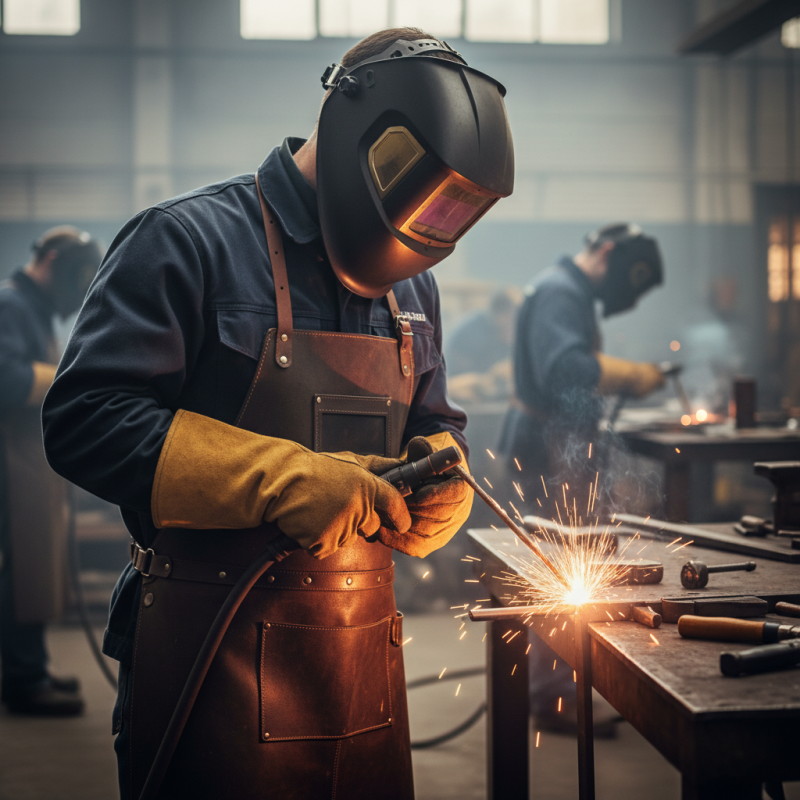
When it comes to welding, proper protection gear is essential. Helmets are crucial in safeguarding your face and eyes from harmful sparks and intense light. Look for a helmet that fits comfortably. It should have an adjustable headgear and a clear visor for visibility. An auto-darkening feature can be a plus, but some find them a bit too sensitive.

Gloves are another vital piece of gear. They protect your hands from heat and sharp objects. Choose gloves that are thick enough to resist heat but flexible enough for movement. Some welders prefer gloves with extra padding, while others want a lightweight feel. It’s important to find what works best for your style.

Clothing is equally important. Fire-resistant fabrics are a must. Long sleeves are essential to cover your arms completely. Be wary of loose-fitting clothing, as it can catch sparks or flames easily. Consider layering options. However, make sure you can move freely. This balance can be tricky at times. Always prioritize comfort and protection.

Evaluating Material Durability and Heat Resistance in Welding Gear

When choosing welding protection gear, material durability and heat resistance are crucial factors. According to the American Welding Society, ineffective gear can lead to serious injuries. High-quality materials like leather and specific synthetics resist heat better. These fabrics can withstand temperatures up to 500 degrees Fahrenheit. However, not all gear meets this standard.

It's essential to recognize that lighter materials often sacrifice durability. Some protective gear may be comfortable but wear out quickly. A study from the Institute of Occupational Safety found that 30% of welders reported skin burns due to inadequate protection. This highlights the need for rigorous testing standards.

Consider the conditions you'll face. Will you be working in confined spaces or outdoors? Your gear must adapt to these situations. Heat resistance is not only about temperature; it also includes the duration of exposure. Assess how long your gear can endure extreme heat. This understanding is vital for your safety. Unaddressed, these factors could lead to long-term injuries. Balancing comfort and protection should always be your goal.

Choosing the Right Fit and Comfort for Enhanced Safety During Welding

When selecting welding protection gear, the right fit is crucial for safety. Ill-fitting gear can lead to discomfort and distractions. According to a recent survey by the American Welding Society, 70% of welders stated that comfort directly impacts their performance. A snug fit prevents heat from escaping, while loose gear can snag on equipment.

Consider the various types of welding protection, like helmets and gloves. Helmets must provide full coverage while still allowing for visibility. If they are too heavy, welders might feel fatigued quickly. Furthermore, gloves should give a balance of protection and dexterity. Studies have shown that 40% of workplace injuries in welding are due to inadequate hand protection.

Breathability is another aspect often overlooked. Gear that does not allow airflow can make welders overheat. A survey revealed that 55% of respondents felt their gear made them too hot to concentrate. It's essential to choose materials that wick moisture away. Understanding these factors can significantly enhance a welder's experience, ultimately leading to better outcomes.

CNC machining CAD export file formats

Put your parts in production today

Get an instant quote