How to Choose the Best Pastille Forming Machine for Your Needs?
Choosing the right Pastille Forming Machine is crucial for manufacturing efficiency. The global pastille market is projected to grow significantly, reaching $1.2 billion by 2025. This growth emphasizes the importance of selecting an optimal machine to meet production demands.
In the past, many manufacturers faced challenges due to inadequate machinery. Common issues included inefficiencies and inconsistent product quality. Expert insights suggest that a well-chosen Pastille Forming Machine can enhance productivity. Reliability in machinery leads to smoother operations and better product consistency.
It's essential to consider factors such as machine capacity and versatility when making your choice. Research from leading industry reports indicates that investing in quality machinery pays off. However, prospective buyers must remain aware of potential pitfalls, such as overspending on unnecessary features. Balancing cost and functionality is key to making an informed decision.
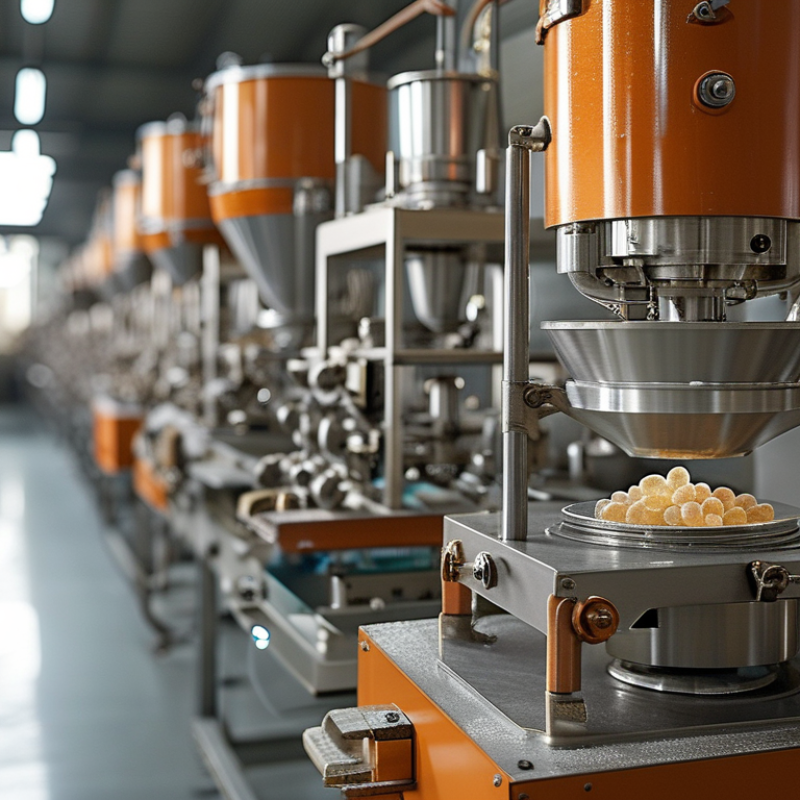
Understanding the Basics of Pastille Forming Machines
Pastille forming machines play a crucial role in various industries, including pharmaceuticals and food. These machines are designed to produce pastilles, which can be chewy candies, therapeutic lozenges, or dietary supplements. Understanding their functionality is essential for making the right choice based on your needs.
A pastille forming machine typically operates by mixing ingredients, applying pressure, and shaping the mixture into specific forms. Different machines offer various features, such as automatic feeding and cutting systems. It’s vital to consider the machine's capacity, maintenance requirements, and ease of use. Some machines may have complex mechanisms that require specialized knowledge for troubleshooting. This could lead to delays or increased operational costs if not managed properly.
When evaluating options, focus on the machine's reliability and user reviews. Not all models are equally efficient, and some may face frequent breakdowns. It's also wise to assess the technical support provided by manufacturers. Machines that lack proper support can lead to frustrations in production. Functionality is critical, but so is the long-term viability of your investment. Be sure to weigh your choices carefully.
Key Factors to Consider When Choosing a Pastille Forming Machine
Choosing the right pastille forming machine involves understanding several key factors. Machine capacity is crucial. Evaluate how many units you need to produce per hour. A machine that is too small for your demands will cause delays. Conversely, an overly large machine could lead to wasted resources.
Material compatibility is another important consideration. The machine should effectively handle the specific ingredients you intend to use. Different materials may require unique temperature controls or molds. A machine that can adapt to various formulations is advantageous.
Operational efficiency contributes to overall productivity. Look for machines that offer user-friendly controls and easy maintenance. A complex setup can lead to increased downtime and frustration. Additionally, consider the machine's energy consumption. Efficient machines can reduce long-term costs. Reflect on these details to find a machine that aligns with your production goals.
Pastille Forming Machine Selection Criteria
Types of Pastille Forming Machines and Their Applications
When selecting a pastille forming machine, it's crucial to understand the types available. Commonly, there are two major categories: automatic and semi-automatic machines. Automatic machines offer higher production rates and reduce manual labor. These machines suit large-scale operations, ensuring efficiency and consistency. However, they can require significant upfront investment and maintenance.
Semi-automatic machines, on the other hand, provide more flexibility. They are ideal for smaller businesses or specific production runs. Users can adjust the settings easily, accommodating various pastille sizes and shapes. Yet, these machines often demand more manual input, which can slow down production.
In light of these choices, businesses must assess their needs. For example, automating processes saves time but may overwhelm small operations. Understanding the production capacity, budget, and desired outcomes is vital. It's not uncommon to feel uncertain about which machine to choose, prompting you to reconsider your production strategy. Considering these nuances will help ensure the right fit for your pastille forming needs.
Evaluating the Performance and Efficiency of Forming Machines
When evaluating pastille forming machines, performance and efficiency are crucial. These machines should operate smoothly, ensuring consistent product quality. Observing the machine's speed is essential. Some models can produce a high output but may compromise on the precise shape or size of the pastilles. A thorough balance is needed here.
Efficiency also hinges on energy consumption and maintenance needs. Machines that require frequent downtime or frequent adjustments can disrupt production flows. It's vital to check how easy it is to clean and maintain these machines. Regular wear and tear can lead to inefficiency over time.
Considering these factors can help prevent costly mistakes. Many users overlook the long-term operational costs, focusing only on initial purchase price. Therefore, knowing how each machine functions under different loads and stresses could make a significant difference. Ultimately, a thoughtful evaluation process blends user experience with mechanical capabilities.
How to Choose the Best Pastille Forming Machine for Your Needs? - Evaluating the Performance and Efficiency of Forming Machines
| Feature | Value |
| Production Capacity (kg/hour) | 500 |
| Energy Consumption (kWh) | 30 |
| Machine Weight (kg) | 1500 |
| Forming Speed (pieces/minute) | 120 |
| Material Compatibility | Natural and Synthetic |
| Ease of Cleaning | Yes |
| Control System | PLC with Touchscreen |
| Warranty Period | 2 years |
Maintaining and Optimizing Your Pastille Forming Machine Usage
Maintaining and optimizing your pastille forming machine is crucial for efficient production. Regular maintenance ensures that the machine operates smoothly, minimizing downtime. According to industry reports, machines that are properly maintained can increase output by up to 20%. This improvement results from reduced errors and enhanced performance.
To keep your machine in top shape, regular inspections are key. Check components like molds and filters periodically. Also, lubricate moving parts to prevent wear. A study from the Manufacturing Institute revealed that neglecting maintenance could lead to a 30% reduction in machine lifespan. Reflecting on this, it’s clear that proactive upkeep saves costs in the long run.
Optimizing operations goes beyond maintenance. Training staff on machine usage is essential. Well-trained operators can identify issues quickly. This not only boosts efficiency but also improves safety. Reports suggest that companies with skilled personnel see up to a 25% reduction in accidents. It’s vital to reassess training programs regularly to adapt to technological changes. Investing in both maintenance and training creates a robust environment for your pastille forming machine.