How to Choose the Best Automatic Molding Machine Supplier?
When selecting the right Automatic Molding Machine Supplier, expertise matters. John Doe, a recognized industry expert, emphasizes, "Quality machinery is only as good as the supplier behind it." This highlights the crucial role suppliers play in the manufacturing process. They impact not just machinery performance but also overall production efficiency.
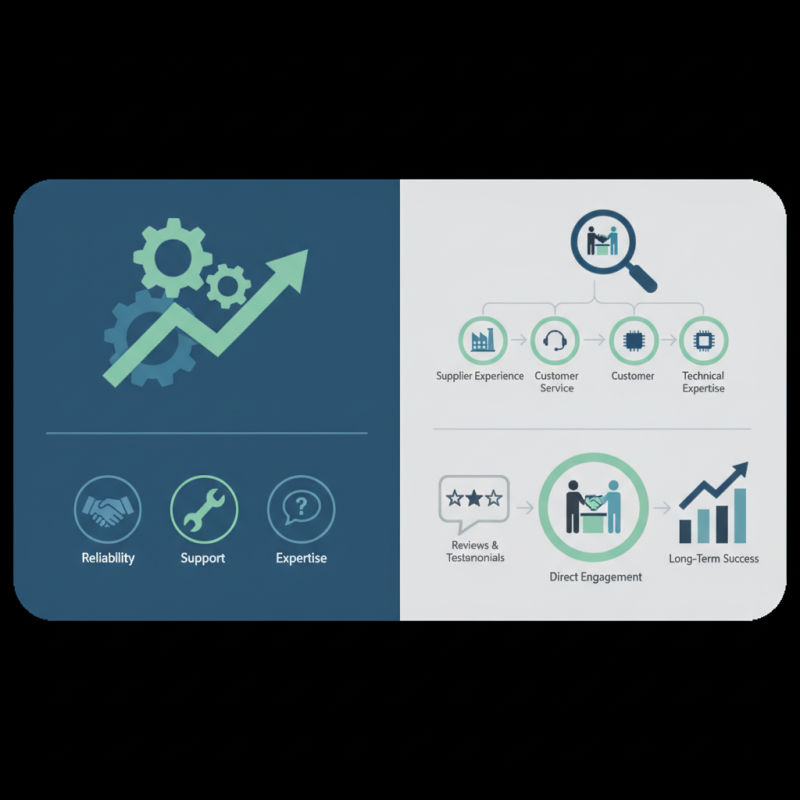
Choosing a supplier involves more than just price. Reliability and support are key. Potential buyers should evaluate supplier experience, customer service, and technical expertise. Checking reviews and testimonials can provide insights into their reputation. However, reliance on reviews alone may lead to oversight of key factors.
It's essential to engage with potential suppliers directly. Ask about their machine capabilities and service history. Inquire how they handle issues. The more questions you ask, the clearer the choice will be. A great supplier can significantly affect your operations. Therefore, spend time in this selection. It's worth it for long-term success.
Understanding the Importance of Molding Machines in Manufacturing
Molding machines are vital in manufacturing. They create parts with precision and efficiency. Industries rely on these machines for consistent quality. When properly calibrated, they can produce thousands of identical items. This leads to significant cost savings and faster production times.
However, not all molding machines are created equal. It's common to encounter machines that underperform or require frequent maintenance. Understanding the specific requirements of your production line is essential. You might find that certain features enhance productivity, while others could complicate operations. Being aware of your needs helps in selecting the right machine.
The relationship with a supplier also matters. They should provide reliable support and maintenance services. A responsive supplier can mitigate downtime and improve overall efficiency. Consider both their expertise and the quality of their products. This ensures you invest in a machine that will serve your needs effectively over time.
Key Factors to Consider When Selecting an Automatic Molding Machine Supplier
When selecting an automatic molding machine supplier, several key factors should be evaluated. The supplier's experience in the industry holds significant weight. A supplier with over a decade of experience typically understands market trends. According to a recent industry report, companies that choose suppliers with a proven track record often see a 25% reduction in operational issues.
Cost-effectiveness is another crucial element to consider. It's important to balance initial costs with long-term operational efficiency. Research indicates that investing slightly more upfront can lead to up to a 30% decrease in maintenance costs over five years. Many businesses overlook this aspect, opting for cheaper options without analyzing the total cost of ownership.
Lastly, evaluating after-sales support can make a notable difference. Reliable suppliers usually offer extensive technical support and training. Surveys have shown that 70% of manufacturers prioritize ongoing support in their supplier selection process. This kind of commitment reflects a supplier's confidence in their products and dedication to customer satisfaction. It's vital to inquire about these services before making a final decision.
How to Choose the Best Automatic Molding Machine Supplier? - Key Factors to Consider When Selecting an Automatic Molding Machine Supplier
| Criteria | Description | Importance Level |
| Experience | Years in the industry and expertise in molding technology. | High |
| Product Range | Variety of machines available to match specific needs. | Medium |
| Customization Options | Ability to tailor machines according to project specifications. | High |
| Support and Service | Availability of technical support and maintenance services. | High |
| Reputation | Feedback from previous customers and industry standing. | High |
| Pricing | Cost of machines relative to features and quality. | Medium |
| Innovation | Use of advanced technologies and modern features in machinery. | Medium |
Evaluating Supplier Credentials: Certifications and Industry Standards
When choosing an automatic molding machine supplier, evaluating their credentials is crucial. Certifications stand as a testament to a supplier's commitment to quality. Look for suppliers who have been certified under internationally recognized quality standards, such as ISO. These certifications often reflect rigorous testing and adherence to industry norms. A supplier with relevant certifications assures you that their machines meet specific technological and safety benchmarks.
Industry standards also play a significant role in your decision-making process. Suppliers who actively participate in industry associations often stay updated on the latest trends and innovations. This involvement can indicate a dedication to continuous improvement. However, it's essential to ask questions. Are they transparent about their processes? Can they provide evidence of compliance? While many suppliers may claim adherence to standards, not all can substantiate their claims. Engage them in discussion. Genuine suppliers will appreciate your interest in their qualifications.
Reflecting on testimonials from previous clients can provide additional insights. Positive feedback often highlights reliability and consistency. However, take note of any negative experiences shared. These can reveal potential red flags. A supplier's ability to address concerns and learn from past mistakes also speaks volumes about their professionalism. Ultimately, thorough evaluation of credentials equips you to form a reliable partnership in the long run.
Assessing Machine Performance Metrics: Speed, Accuracy, and Reliability
When evaluating automatic molding machines, three key performance metrics come into play: speed, accuracy, and reliability. According to industry reports, machines that operate at high speed can significantly boost productivity. For example, a machine with a cycle time of 10 seconds can produce up to 360 units per hour. This considerable output is crucial for businesses striving to meet increasing market demands. However, speed must not come at the cost of accuracy.
Accuracy is pivotal in molding processes. Machines that maintain a tolerance of ±0.1 mm are often deemed reliable for producing high-quality parts. Research shows that accuracy impacts material usage and waste rates. Some reports indicate that inaccurate molds can lead to a 30% increase in scrap material, which directly affects profit margins. Hence, selecting a machine that delivers both speed and precision is essential for long-term success.
Reliability is another factor not to be overlooked. Machines with high uptime rates, ideally above 90%, minimize operational disruptions. However, even the most advanced systems can face unexpected downtimes. A common reason for failure includes inadequate maintenance routines. As manufacturers consider their options, they must reflect on how maintenance impacts overall machine performance. Investing in a machine that balances these three metrics is vital for maintaining competitiveness in the market.
Cost Analysis: Weighing Initial Investment Against Long-Term Benefits
When selecting an automatic molding machine supplier, a thorough cost analysis is vital. The initial investment can be substantial. For instance, advanced machines can exceed $300,000. However, cheaper options may lead to increased long-term costs due to maintenance and inefficiency. A recent industry report highlighted that businesses often underestimate these ongoing expenses. Companies risk losing 20% of potential revenue by opting for lower-quality machines.
Operational efficiency should be a priority. A robust automatic molding machine can improve production speeds by up to 50%. This spike translates to higher output and potential revenue growth. Yet, not all suppliers provide reliable service. Case studies indicate that suppliers with better technical support deliver a 30% reduction in downtime. Investing wisely can mitigate risks associated with poor supplier reliability.
Long-term benefits often outweigh the initial costs. Quality machines tend to last longer and perform better. Reports show that investing in higher-quality equipment reduces defects. Companies can save on material costs due to increased precision. It’s crucial to weigh these factors carefully. This process may require time and research but can significantly impact a company's bottom line.
Cost Analysis of Automatic Molding Machines