Choosing a Jaw Stone Crusher in 2026 requires more than comparing prices or motor power. The right machine must fit the material, site conditions, production target, and maintenance capability. A crusher handling hard granite needs different protection than one processing softer limestone. Feed size, moisture, abrasiveness, discharge setting, and hourly capacity all influence the final decision.
Dr. Barry A. Wills, a recognized mineral-processing authority, offers a practical reminder: “Equipment selection must follow the process, not lead it.” That principle remains highly relevant. A compact primary crusher may look efficient on paper, yet struggle with oversized rocks or inconsistent feeding. Small details matter. Measure the largest feed rock. Check the desired output. Review liner wear records.
Modern models may include hydraulic adjustment, remote monitoring, and improved dust-control options. These features can reduce downtime, but they do not solve poor application planning. A Jaw Stone Crusher still depends on correct installation, steady feeding, and disciplined inspections. The cheapest option may become expensive after repeated liner changes, unplanned stoppages, and high energy use.
There is no perfect machine.
Even experienced buyers can misjudge future production changes. Therefore, this guide examines technical performance, operating costs, safety considerations, supplier support, and long-term reliability. It also questions a common assumption: higher capacity is not always better. A balanced selection usually delivers more value than an oversized crusher running below its efficient range.
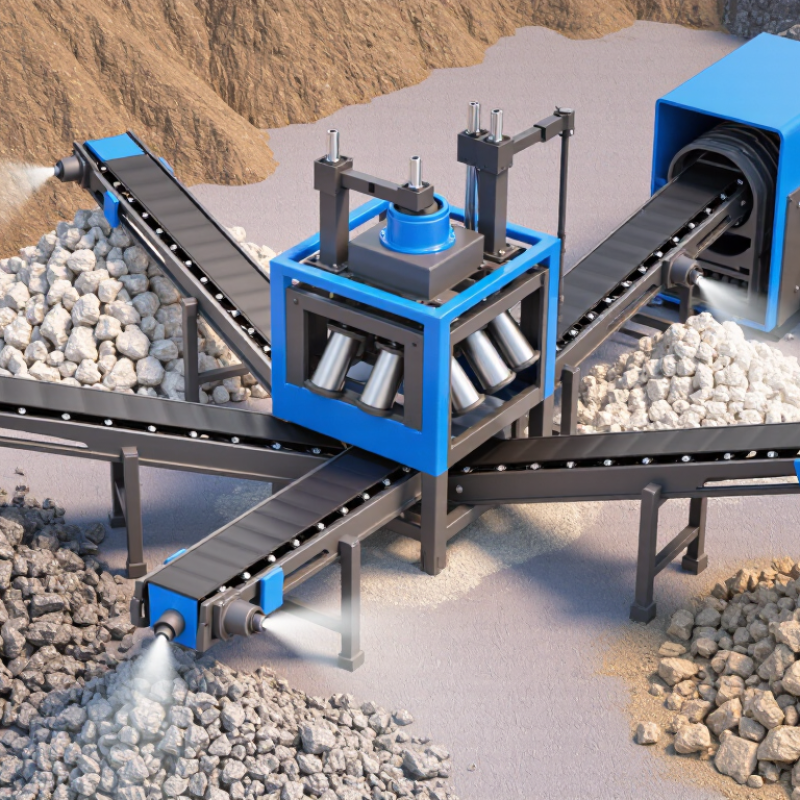
Choosing a jaw stone crusher in 2026 starts with your material, not the machine’s advertised capacity. According to the USGS Mineral Commodity Summaries 2025, U.S. crushed stone production reached about 1.5 billion metric tons in 2024. That scale makes accurate feed assessment essential.
Measure the largest feed size, moisture, clay content, and bulk density. Then test compressive strength and abrasion. Granite may exceed 150 MPa in compressive strength, while limestone is often softer and easier to fracture. Hard, abrasive rock needs stronger wear protection and a realistic replacement budget. Wet clay can pack inside the crushing chamber. That problem is easy to underestimate.
Define the target output before comparing models. Record required tonnes per hour, final product sizes, and the desired reduction ratio. ASTM C136/C136M sieve analysis can verify whether the discharge matches your specification. A practical trial should use representative rock, not carefully selected samples. Otherwise, the result may look impressive but fail in a quarry.
Check the crusher’s closed-side setting, motor power, loading method, and maintenance access. USGS data also shows construction aggregates remain a massive material stream, but volume alone does not guarantee suitable performance. A smaller unit can outperform a larger one when feed is consistent. This is where many selection sheets become misleading. Field conditions are rarely tidy.
| Material or Application | Typical Mohs Hardness | Approx. Compressive Strength | Abrasiveness | Recommended Jaw Type | Typical CSS Range | Key Selection Considerations |
|---|---|---|---|---|---|---|
| Limestone | 2.5–4 | 30–150 MPa | Low to medium | Standard manganese jaw plates | 50–150 mm | Suitable for primary crushing, road base, concrete aggregate, and manufactured sand feed preparation. Check for clay or excessive moisture. |
| Granite | 6–7 | 100–250 MPa | High | Heavy-duty manganese jaw plates | 75–200 mm | Select a robust frame, high motor power, and wear-resistant cheek plates. Allow sufficient chamber volume for blocky feed. |
| Basalt | 6–7 | 150–300 MPa | High | Heavy-duty jaw with reinforced wear parts | 75–180 mm | Use conservative capacity estimates because tough, dense rock can increase power draw and reduce throughput at a tight setting. |
| Quartzite | 7 | 150–300 MPa | Very high | Premium wear-resistant jaw plates | 80–180 mm | Prioritize wear life, structural strength, and easy jaw-plate replacement. Plan regular inspection of the discharge profile. |
| Recycled Concrete | 3–7 | 20–80 MPa | Variable | Standard or recycled-material jaw setup | 50–125 mm | Specify a vibrating feeder, magnetic separator, and dust suppression. Remove steel, wood, plastic, and oversized contaminants before crushing. |
| Brick and Masonry | 2–4 | 10–60 MPa | Low to medium | Standard jaw plates | 40–100 mm | A smaller chamber may be adequate. Control feed contamination and consider dust collection when processing dry demolition material. |
| Iron Ore | 5–7 | 100–300 MPa | High | Heavy-duty wear-resistant jaw plates | 75–150 mm | Confirm bulk density, moisture, and abrasiveness through testing. Use a strong discharge conveyor and monitor liner wear closely. |
| Wet or Clay-Containing Feed | Variable | Variable | Variable | Jaw crusher with pre-screening | 75–200 mm | Install a grizzly or scalping screen where practical. Excessive sticky fines can bridge the feed opening and reduce capacity. |
| Selection Dimension | Recommended Evaluation Range or Rule | Why It Matters |
|---|---|---|
| Required Capacity | Define target throughput in tonnes per hour and size the crusher for the actual feed gradation, density, and operating schedule. | Nominal capacity can differ substantially from field performance when the feed is wet, flaky, oversized, or poorly distributed. |
| Maximum Feed Size | Keep the largest practical feed below approximately 80% of the crusher feed-opening dimensions, subject to the equipment design. | Adequate clearance reduces bridging, improves nip, and helps prevent excessive stress on the pitman and jaw plates. |
| Closed-Side Setting (CSS) | Common primary-crushing settings are approximately 50–200 mm; the exact setting depends on the required product size. | A smaller CSS generally produces a finer product but may reduce capacity and increase power consumption and wear. |
| Product Requirement | Set the required top size, percentage passing the target size, and acceptable flakiness before choosing the chamber. | A jaw crusher is primarily a coarse crusher; secondary or tertiary equipment may be needed for finer or more cubical aggregate. |
| Moisture and Clay Content | Record total moisture and identify the percentage of sticky fines. Use pre-screening when clay causes blinding or packing. | Wet, cohesive material can lower throughput, obstruct the chamber, and increase the risk of unplanned shutdowns. |
| Abrasion and Wear | Assess quartz content, silica content, Bond abrasion index, or equivalent laboratory wear data where available. | Abrasive feed requires more frequent inspection and may justify upgraded jaw plates and cheek plates. |
| Power and Electrical Supply | Match motor rating, starting current, voltage, and available electrical capacity to the selected crusher and duty cycle. | Hard or dense materials can require higher power, especially at a tight setting or high reduction ratio. |
| Safety and Maintenance | Require guarding, lockout provisions, overload protection, accessible inspection points, and safe jaw-plate replacement procedures. | Safe access and predictable maintenance reduce downtime and protect personnel during routine service. |
Note: Material properties and crusher performance vary by geological source, moisture, feed gradation, machine configuration, and operating conditions. Use laboratory testing and the equipment manufacturer's technical data for final sizing.