2026 How to Choose a Double Eccentric Butterfly Valve?
Choosing the right double eccentric butterfly valve is crucial for many industrial applications. This type of valve offers unique advantages in terms of performance and efficiency. Understanding its key features helps in making an informed decision.
double eccentric butterfly valves are known for their ability to minimize wear and tear. Their design allows for a tighter seal, reducing the chance of leakage. However, selecting the wrong size or material can lead to issues down the line. It is important to consider the specific application and environmental conditions.
Many factors influence your choice, such as pressure, temperature, and media type. Not every valve fits every scenario. Reflecting on past experiences can help identify what works best. Striking the right balance between cost and quality is not always straightforward. Ultimately, the goal is to optimize performance while ensuring reliability.
Understanding the Basics of Double Eccentric Butterfly Valves
Double eccentric butterfly valves are vital in various industries. They offer efficient flow control and have unique design attributes. The double eccentric feature reduces seat wear. This design allows for less torque during operation. According to a recent industry report, nearly 40% of valve failures stem from seat damage. Thus, choosing the right valve can significantly enhance system reliability.
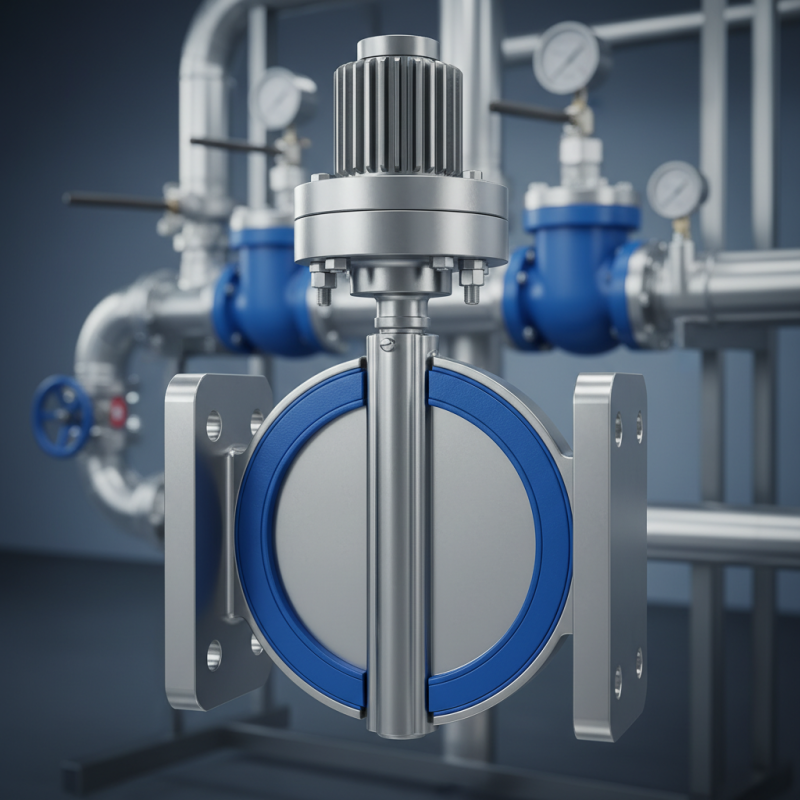
Understanding the structure is essential. The stem is offset from the center, which provides a quick opening and closing mechanism. This design leads to less friction. Moreover, double eccentric valves typically utilize a metal seat. This seat type can handle higher temperatures and pressures. A study highlights that up to 30% of operations involve high-temperature applications, making this aspect important.
Maintenance is another critical factor. While these valves require less frequent checks, they aren't maintenance-free. Regular inspections can prevent leaks and malfunctions. An estimated 15% of maintenance costs arise from valve-related issues. Operators should stay vigilant. These points highlight the need for a thorough evaluation before selection.
Factors to Consider When Selecting a Double Eccentric Butterfly Valve
Choosing the right double eccentric butterfly valve is crucial. Various factors influence this decision. One important aspect is the size of the valve. It should match the specifications of your piping system. According to industry reports, over 30% of valve failures stem from improper sizing. This can lead to leaks, inefficiencies, and increased maintenance costs.
Another key factor is the material. Valves are made from various materials, including stainless steel and cast iron. Each has unique properties. For example, stainless steel offers high corrosion resistance, making it preferable for harsh chemicals. Yet, it may not always be the cost-effective choice. A study highlighted that 25% of projects overspend due to material choices.
Consider the actuator type as well. Electric, pneumatic, or hydraulic—each has benefits and limitations. Electric actuators provide precision, while pneumatic ones offer speed. However, speed can result in wear and tear, leading to early replacements. Evaluate the application needs. Be mindful of the trade-offs involved in your selection process. Valves are critical components, thus, neglecting these factors can lead to regret later.
Material Options for Double Eccentric Butterfly Valves: A Comprehensive Guide
When selecting materials for double eccentric butterfly valves, it is essential to consider the specific application. Common materials include stainless steel, carbon steel, and aluminum. Each material offers different benefits. Stainless steel is often resistant to corrosion. It works well in harsh environments. Carbon steel is robust but may rust without proper coatings.
In some cases, aluminum valves can be lightweight and cost-effective, yet they may not offer the same durability. Selecting the wrong material can lead to premature failure. This choice requires thoughtful consideration, as it impacts the long-term performance of the valve.
Thermal conditions also play a role. Extreme temperatures can affect material integrity. It's vital to assess whether the chosen material withstands these conditions. Equally important is the valve's compatibility with the fluid media. This oversight can lead to leaks or operational issues. Balancing these factors can be challenging, but attention to detail is necessary for a reliable valve selection.
Material Options for Double Eccentric Butterfly Valves
Key Performance Specifications for Double Eccentric Butterfly Valves
When choosing a double eccentric butterfly valve, performance specifications are critical. You must consider parameters like pressure rating and temperature range. These factors determine how well the valve will operate in your specific application. Ensure that the valve can handle the media being processed. Not all valves can handle corrosive or high-viscosity fluids.
Another essential specification is the sizing of the valve. Correct sizing impacts flow rates and system efficiency. An undersized valve can lead to excessive pressure drops. On the other hand, oversized valves may not close properly, resulting in leaks. The right size also enhances longevity and minimizes maintenance needs.
Pay attention to the materials used in construction. Common materials include stainless steel and cast iron. Each material has unique properties, influencing durability and resistance to wear. It’s advisable to analyze the environment where the valve will be installed. How often is maintenance performed? Are there any potential external impacts? These reflections can lead to more informed decisions.
Installation and Maintenance Tips for Double Eccentric Butterfly Valves
When dealing with double eccentric butterfly valves, proper installation and maintenance are key. These valves offer unique advantages, including reduced torque and enhanced sealing. However, poor handling can lead to issues. Handlers should ensure that all components are clean before installation. Debris can cause leaks or malfunctions.
Tips for installation include checking the alignment of the valve with the pipeline. Misalignment can stress the valve body. Use appropriate gaskets to ensure a tight seal between the valve and pipe. It's crucial to follow torque specifications closely. Over-tightening can damage the valve, while under-tightening may lead to leaks.
After installation, regular maintenance is essential. Inspect the valve for signs of wear or corrosion. Lubrication points should be kept clean and well-greased. Remember to periodically check the actuator's performance. A lag in response can indicate underlying issues. Keeping a maintenance log helps track the valve's health over time. Reflection on these practices leads to improved reliability and longevity of the valve.
2026 How to Choose a Double Eccentric Butterfly Valve? - Installation and Maintenance Tips for Double Eccentric Butterfly Valves
| Feature | Description | Maintenance Tips | Installation Considerations |
| Eccentric Design | Allows for tighter sealing and reduced wear | Regularly check for wear on the sealing surfaces. | Ensure proper alignment during installation. |
| Material Compatibility | Must be compatible with the fluid being controlled | Inspect for corrosion or material degradation. | Choose materials based on temperature and pressure conditions. |
| Size and Rating | Choose the correct size and pressure rating for your application | Ensure no leaks occur during operation. | Verify pipe and valve size compatibility. |
| Stem and Actuator | Consider automated versus manual operation | Lubricate the stem regularly to prevent seizing. | Ensure actuator torque is suitable for the valve size. |
| Testing and Certification | Look for compliance with industry standards | Conduct routine checks to verify performance. | Ensure installation follows manufacturer’s guidelines. |