Get an instant quote
Get in touch Listen to our podcast

Blog

China Best UHP Graphite Electrode Manufacturer?

Choosing the best China UHP Graphite Electrode manufacturer requires more than comparing export prices. Buyers should examine production experience, technical control, testing records, and after-sales support. A reliable supplier should explain how raw materials, forming pressure, baking cycles, graphitization, and nipple machining affect electrode performance. These details matter beside an electric arc furnace, where unstable current can quickly expose weak quality.

A high-quality UHP Graphite Electrode should offer low electrical resistivity, controlled thermal expansion, strong mechanical strength, and dependable connection accuracy. Ask for recent test reports, product specifications, inspection procedures, and traceable batch information. Factory audits can reveal practical conditions, including storage areas, machining precision, packing quality, and response times. Certifications may support credibility, but they should not replace independent verification or customer references.

Price still matters.

However, the lowest quotation may hide higher consumption, breakage risks, or delayed replacement. Experienced manufacturers usually discuss furnace capacity, operating current, electrode diameter, nipple type, and application conditions before recommending a grade. That consultation is a useful quality signal. Still, no supplier is perfect, and even a respected producer may face inconsistent batches or communication gaps. Buyers should therefore compare evidence rather than trust confident claims. This guide examines how to identify a dependable Chinese manufacturer, evaluate UHP Graphite Electrode performance, and build a purchasing decision based on measurable facts, practical experience, and responsible supplier assessment.
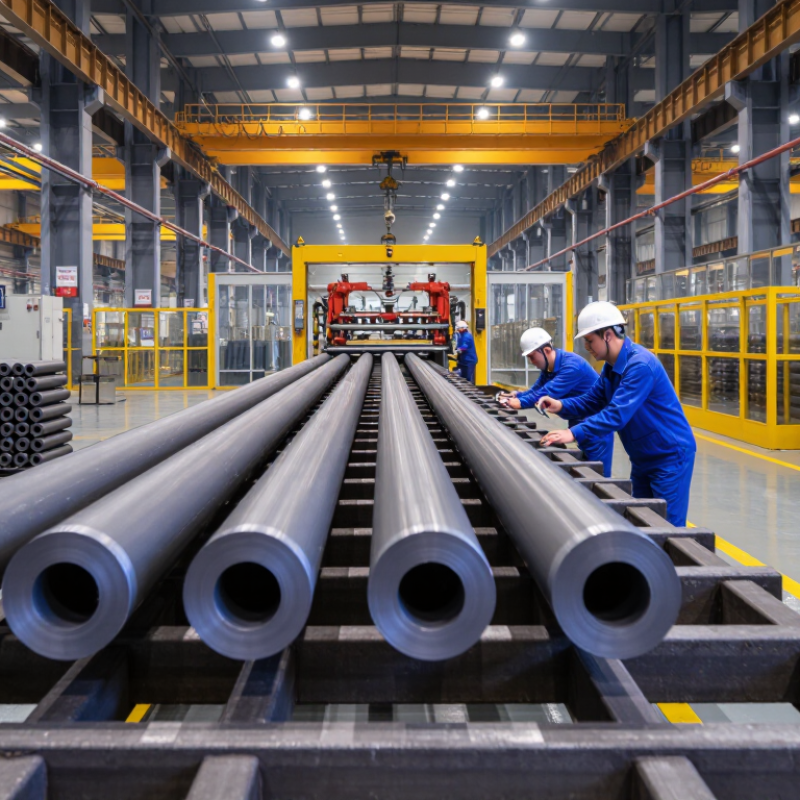
China Best UHP Graphite Electrode Manufacturer?

Definition and Role of UHP Graphite Electrodes

China Best UHP Graphite Electrode Manufacturer?

UHP means Ultra High Power. UHP graphite electrodes are conductive components used in electric arc furnaces. They transfer electricity into the furnace through an intense electric arc. The arc melts steel scrap and other metallic materials at extremely high temperatures. Their main role is stable current delivery during demanding steelmaking cycles.

These electrodes are usually produced from carefully selected needle coke, pitch, and graphite materials. High-temperature graphitization reduces electrical resistance and improves thermal stability. In practical furnace work, operators inspect threads, nipples, and electrode surfaces before connection. A small crack near the joint can cause breakage during charging or power adjustment. Dimensional accuracy matters too. Poor alignment may increase vibration, side pressure, and consumption.

Reliable UHP electrodes should show controlled resistivity, strong flexural strength, and a low coefficient of thermal expansion. Manufacturers also need documented testing, batch traceability, and consistent machining standards. Experienced teams compare laboratory results with furnace performance instead of trusting one specification sheet. No electrode performs perfectly in every furnace. Steel grade, transformer settings, cooling conditions, and operator habits can change results. That is where selection becomes less certain, and more careful evaluation is needed.


Key Standards for Evaluating a UHP Graphite Electrode Manufacturer

China Best UHP Graphite Electrode Manufacturer?

Key Standards for Evaluating a UHP Graphite Electrode Manufacturer

Choosing a UHP graphite electrode manufacturer requires more than comparing prices. Start with raw material control, especially needle coke quality and consistency. Ask where critical materials come from. Check whether each batch has documented chemical and physical results. A reliable producer should share resistivity, bulk density, flexural strength, and coefficient of thermal expansion data. These values must match recognized industry standards and your furnace conditions.

Manufacturing control is equally important. Visit the production site when possible. Inspect mixing, molding, baking, impregnation, and graphitization equipment. Ultra-high-temperature graphitization needs stable furnace control, not vague claims. Look for modern testing equipment and calibrated measurement records. Dimensional accuracy matters too. A small thread defect can create poor contact, abnormal heating, or premature breakage. Ask for sample inspections, traceability codes, and documented corrective actions.

Experience appears in practical support. A capable technical team can recommend electrode diameter, joint design, and current capacity for different operating conditions. It should also explain storage and connection procedures clearly. Do not trust perfect promises. Even strong manufacturers may show variation between batches. That is worth discussing. Request a trial order and compare test data with actual furnace performance. Check delivery reliability, packaging, replacement policies, and communication during urgent production changes. The best evaluation combines laboratory evidence, factory observation, and feedback from real steelmaking operations.

Manufacturing Process and Quality Control

China Best UHP Graphite Electrode Manufacturer?

Manufacturing Process and Quality Control

A reliable UHP graphite electrode begins with carefully selected needle coke and controlled particle sizing. The raw materials are blended with pitch in precise proportions. Mixing temperature and time affect the paste structure. Small variations can create hidden weaknesses.

The paste is shaped through vibration molding or extrusion. Green electrodes then undergo slow baking, often in controlled cycles lasting several days. Impregnation fills open pores and improves density. Graphitization follows at extremely high temperatures, transforming carbon into a highly conductive graphite structure. Final machining must control nipple threads, diameter, and surface finish.

Quality teams should record furnace temperature, pressure, batch numbers, and operator checks.

Testing usually includes electrical resistivity, bulk density, flexural strength, coefficient of thermal expansion, and visual inspection.

A clean surface matters.

Tips

Ask for batch-level records, not only a general certificate.

Check whether testing uses calibrated equipment and documented procedures.

Inspect sample dimensions before shipment.

Traceability helps identify problems quickly.

It is not perfect. Even experienced factories can miss early cracking when inspection is rushed. Independent sampling can reveal process gaps and encourage better control.

China’s Leading UHP Graphite Electrode Manufacturers

China’s leading UHP graphite electrode manufacturers are judged by more than production volume. In steelmaking, a 600 mm electrode must carry intense current through repeated furnace cycles. Reliable producers control needle coke selection, forming pressure, graphitization temperature, and machining accuracy. Each stage affects resistivity, bulk density, and resistance to thermal shock. Experienced technical teams also match electrode grade to furnace power, scrap mix, and operating rhythm. This practical fit matters more than a broad catalog.

A credible Chinese manufacturer should provide traceable inspection records, not vague claims. Buyers should review resistivity data, flexural strength, bulk density, and dimensional tolerances for every batch. Threaded nipples deserve equal attention. Poor joints can cause unstable arcs, abnormal consumption, or costly breaks. Factory audits can reveal useful details: covered storage, calibrated instruments, clean machining areas, and workers checking thread gauges by hand. Small evidence matters.

The strongest suppliers support field feedback after delivery. They examine consumption rates, sidewall wear, and breakage patterns with the customer’s operating data. No factory gets every batch perfect. That is worth admitting. A manufacturer that investigates deviations can improve faster than one offering only confident promises. Buyers should also question lead times, packaging, export documentation, and after-sales response. Consistency is built through repeated measurements, honest communication, and willingness to correct weak points.

China Best UHP Graphite Electrode Manufacturer? - China’s Leading UHP Graphite Electrode Manufacturers

Evaluation Dimension Typical UHP Electrode Requirement Recommended Verification Method Why It Matters
Product Grade Ultra-High Power (UHP) graphite electrode manufactured from needle coke with optimized graphitization. Review the technical data sheet, raw-material declaration, and batch quality records. UHP electrodes are designed for high-current electric arc furnace operation and demanding steelmaking cycles.
Available Diameter Range Common commercial sizes include approximately 300–700 mm; larger sizes may be available for specific furnace designs. Match the electrode diameter, length, nipple specification, and furnace connection drawing. Correct sizing helps control current density, power input, and electrode consumption.
Specific Electrical Resistivity Typically not more than about 4.5–5.5 μΩ·m for UHP electrode bodies, depending on the applicable specification. Confirm test results using a recognized laboratory method and the agreed product standard. Lower resistivity reduces electrical losses and supports stable high-power operation.
Flexural Strength Common UHP specifications are approximately 10–12 MPa or higher, subject to size and standard. Request lot-based test certificates and confirm whether values apply to the body or nipple. Adequate strength lowers the risk of breakage during lifting, charging, and furnace operation.
Bulk Density Typically around 1.65–1.75 g/cm³ for the electrode body, depending on formulation and manufacturing process. Check density uniformity across the batch and the test location specified in the purchase agreement. Consistent density supports predictable mechanical strength and oxidation behavior.
Thermal Expansion A low coefficient of thermal expansion is preferred; typical values are approximately 0.9–1.5 × 10⁻⁶/°C over the specified test range. Verify the test temperature range, direction, and laboratory method before comparing suppliers. Lower thermal expansion improves resistance to thermal shock and cracking.
Permitted Current Density UHP operating ranges are commonly specified at approximately 18–30 A/cm², with the actual limit determined by diameter, furnace design, and operating practice. Use the supplier’s current-density chart together with the furnace transformer and operating profile. Exceeding the suitable current density can increase overheating, oxidation, and breakage risk.
Nipple and Joint Quality Precision-machined tapered nipples with matching thread geometry, dimensional accuracy, and adequate joint strength. Inspect thread gauges, pitch diameter, taper, contact surfaces, and torque recommendations. Joint performance directly affects electrical continuity and resistance to joint breakage.
Dimensional Tolerance Diameter, length, roundness, socket, and nipple dimensions should comply with the agreed ISO, IEC, or customer specification. Review dimensional inspection reports and conduct random incoming inspections. Tight tolerances support safe assembly, consistent contact, and reduced furnace downtime.
Impregnation and Anti-Oxidation Treatment Optional impregnation or surface treatment may be specified to reduce oxidation and improve consumption performance. Confirm treatment type, treated area, process controls, and any effect on electrical properties. Treatment can be useful in furnaces with high oxidation exposure or long power-on times.
Quality Management Documented control of raw materials, mixing, forming, baking, impregnation, graphitization, machining, and final inspection. Request quality-system certificates, process flow charts, corrective-action records, and traceability documentation. Process consistency is essential for stable performance across repeated deliveries.
Testing and Certification Test documentation should cover resistivity, flexural strength, bulk density, thermal expansion, dimensions, and appearance. Compare certificates with the purchase specification and verify test dates, batch numbers, and laboratories. Traceable data makes supplier qualification and nonconformance handling more reliable.
Packaging and Export Readiness Protective end caps, moisture-resistant wrapping, reinforced pallets, clear markings, and safe container loading. Check packing specifications, loading photographs, shipping marks, and damage-claim procedures. Proper packaging reduces thread damage, impact damage, and handling losses during international transport.
Application Suitability Primarily used in high-power and ultra-high-power electric arc furnaces for steelmaking; suitability depends on furnace conditions. Provide furnace capacity, transformer rating, current profile, electrode diameter, and expected consumption data. A technically suitable electrode must be selected for the complete operating system, not by grade alone.

Note: The values shown are typical industry reference ranges for UHP graphite electrodes. Actual requirements vary by applicable standard, electrode diameter, furnace design, operating conditions, and agreed purchase specification.

Applications, Selection Criteria, and Purchasing Considerations

China Best UHP Graphite Electrode Manufacturer?

Applications, Selection Criteria, and Purchasing Considerations

UHP graphite electrodes are designed for electric arc furnaces operating with intense electrical loads. They transfer current into the arc and withstand rapid thermal changes. Steel melting, scrap processing, and furnace refining commonly require this electrode grade. In practical furnace work, unstable electrodes can cause arcing problems, breakage, and costly production delays. Heat changes everything.

Selection should begin with furnace capacity, transformer power, electrode diameter, and expected current density. Check resistivity, bulk density, flexural strength, and thermal expansion values. Nipple quality also matters because poor joints may loosen during vibration or heating. Ask for recent test reports, dimensional tolerances, and batch traceability. Fit matters. A specification sheet alone cannot reveal every production risk.

Purchasing teams should compare consumption per ton, not only the unit price. Request samples when possible, then evaluate machining accuracy and joint performance under controlled conditions. Confirm packaging, moisture protection, storage guidance, and delivery reliability. Clear technical communication helps prevent mismatched dimensions. A low price can look attractive, but this judgment is incomplete. I have seen purchasing decisions change after freight, breakage, and downtime were included. Supplier audits, production records, and responsive technical support provide stronger evidence than promotional claims. Some buyers still overlook storage conditions before furnace use. That mistake deserves attention.

CNC machining CAD export file formats

Put your parts in production today

Get an instant quote