Top Brick Moulding Machine Suppliers in 2026 What to Know?
The demand for brick moulding machines is on the rise. As we look ahead to 2026, identifying reliable brick moulding machine suppliers is vital. These suppliers not only provide machinery but also solutions tailored to various construction needs.
Investing in high-quality machinery is crucial for businesses. Many suppliers offer innovative designs that enhance productivity. However, not every supplier guarantees the same quality. Some may promise advanced technology but fail to deliver. Thus, thorough research is necessary.
Understanding the market landscape is essential. It helps in recognizing which brick moulding machine suppliers stand out. A supplier should not only have a strong reputation but also proven experience. Relying solely on online reviews can be misleading. Personal inspections or industry recommendations are often more reliable. This approach ensures you make an informed decision as you purchase machinery for your projects.
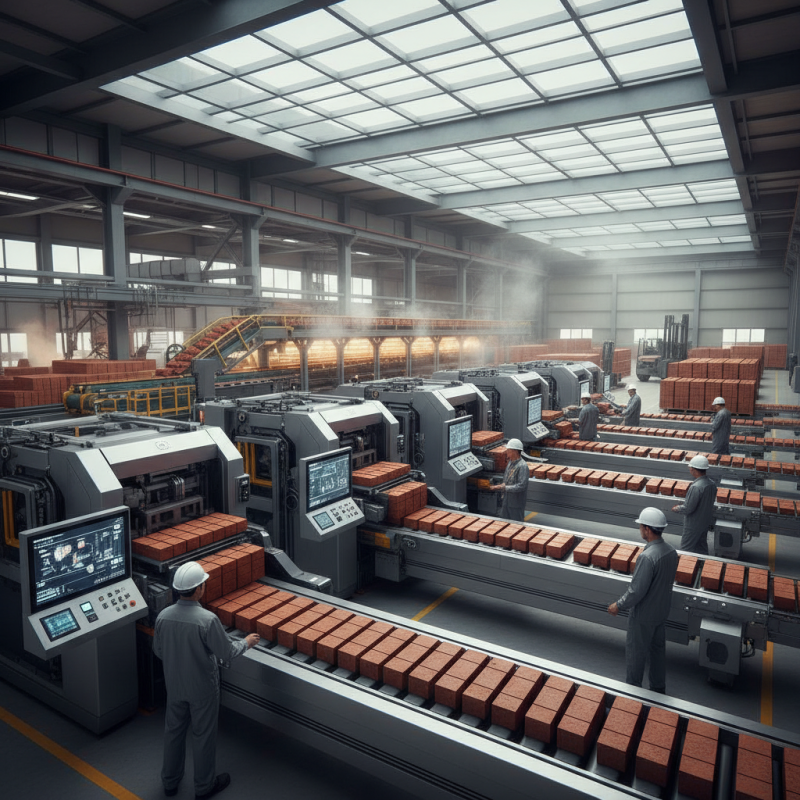
Overview of Brick Moulding Machines and Their Importance in Construction
Brick moulding machines play a crucial role in the construction industry. These machines are designed to produce bricks efficiently. They can create various types of bricks, including standard, interlocking, and hollow ones. The accuracy of the moulding process determines the quality of the final product. High-quality bricks lead to durable structures, which is essential in construction.
In recent years, the demand for brick moulding machines has increased significantly. Construction projects require reliable equipment that can handle large volumes. Efficiency and speed are vital attributes. However, selecting the right machine can be challenging.
Potential buyers should consider factors like technology, output capacity, and energy consumption. It is also important to evaluate the maintenance and service support offered.
However, there are areas that need attention. Some manufacturers may not provide adequate after-sales service. This can lead to production downtimes. Additionally, not all machines are user-friendly. Operators must be trained properly to achieve the best results. Investing in a machine without understanding its requirements can lead to costly mistakes. Therefore, proper research is essential before making a purchase.
Key Features to Consider When Choosing a Brick Moulding Machine
When selecting a brick moulding machine, key features are essential for optimal performance. Productivity is a primary consideration. According to industry reports, high-capacity machines can produce up to 800 bricks per hour. This significantly boosts output for large-scale projects. However, not all companies may require such volume. Understanding the specific needs of your operation is crucial.
Another important factor is energy efficiency. Modern machines are designed to minimize energy consumption without sacrificing performance. Data shows that energy-efficient models can lower operational costs by nearly 15%. While these machines may have a higher upfront cost, the long-term savings can be substantial. It's worth evaluating the total cost of ownership versus initial investment.
Durability should also be assessed. Machines that use high-quality materials are often more reliable and need fewer repairs. However, cheaper alternatives might save money initially but lead to more frequent breakdowns. This can disrupt production and lead to additional costs. Striking the right balance between cost and durability often requires deeper reflection on operational priorities. Revisiting these features can lead to smarter investments in brick moulding technology.
Top Brick Moulding Machine Suppliers in 2026: Key Features to Consider When Choosing a Brick Moulding Machine
| Feature | Importance | Specifications |
| Production Capacity | High | 1000-2000 bricks/hour |
| Automation Level | Medium | Semi-automatic or fully automatic |
| Energy Efficiency | High | Low energy consumption |
| Material Compatibility | High | Clay, concrete, fly ash |
| Maintenance Requirements | Medium | Routine checks needed |
| Price Range | High | $20,000 - $100,000 |
Top Suppliers of Brick Moulding Machines in 2026: An Analytical Review
In 2026, the demand for brick moulding machines will rise significantly. Many industries are looking for reliable suppliers. This will lead to a more competitive market. Suppliers will need to promote their strengths effectively. Quality, innovation, and customer support will be key factors.
Tips: Always compare multiple suppliers. Evaluate their machine specifications carefully. Focus on technology and energy efficiency.
It’s essential to research before making a decision. Not all machines are created equal. Some may lack durability or efficiency. Read reviews from previous customers. Seek advice from industry experts. They can provide vital insights into the best choices available.
Remember, the right supplier can make a big difference. Look for those with a proven track record. Ask about warranties and after-sales service. A good machine is an investment. Ensure it meets your operational needs for years to come.
Comparative Analysis of Pricing Among Leading Brick Moulding Equipment Suppliers
As the demand for brick moulding machines continues to rise, understanding pricing dynamics becomes essential. Various suppliers offer a range of equipment, influencing market choices significantly. Pricing often reflects both the technology used and the quality of materials. Machines with advanced automation features tend to come at a higher price point, yet they can enhance productivity.
In a comparative analysis of suppliers, it’s crucial to consider not just upfront costs but also long-term value. A cheaper machine may lead to higher operational costs if it requires frequent maintenance. Furthermore, warranties and after-sales service vary among suppliers. These factors can affect a buyer's overall return on investment.
Transparency in pricing structures is often lacking. Some suppliers may include hidden fees that surface after purchase. Research is vital. Customers should seek comprehensive quotes and detailed specifications. Balancing cost with performance and support is key in this competitive market. Recognizing the nuances in pricing can lead to informed decisions, ultimately shaping production efficiency.
Future Trends in Brick Moulding Technology and Supplier Innovations in 2026
In 2026, the brick moulding industry will witness significant advancements driven by technology and supplier innovations. A recent report predicts that the global brick market will grow at a CAGR of 4.5%, highlighting the rising demand for energy-efficient solutions. Key trends include automation in brick production, which improves precision and reduces labor costs. This shift enhances productivity but also demands that suppliers offer training and support for new technologies.
Companies are increasingly focusing on sustainability. Innovations are surfacing, such as using recycled materials in brick production. Recent insights show that bricks made with eco-friendly materials can reduce carbon emissions by up to 30%. This supports a more sustainable construction approach while meeting regulatory pressures. Suppliers must adapt quickly, embracing these materials and ensuring quality.
Tip: Research how new technologies can fit into your current production line. Understanding these options can yield better results.
As suppliers innovate, challenges remain. Balancing cost and quality is a constant concern. Investing in advanced machinery can lead to higher upfront costs. However, long-term savings often outweigh initial investments. Companies must analyze their production processes critically.
Tip: Regularly evaluate your supply chain for efficiency. Streamlining processes often uncovers hidden cost savings.