As we look ahead to 2026, the world of interior design is evolving rapidly. The emergence of “Unionhomefurniture” trends showcases a blend of functionality and aesthetics. According to industry reports, the global furniture market is projected to reach $700 billion by 2026. This growth invites fresh ideas and innovative designs that resonate with diverse consumer preferences.
Unionhomefurniture will focus on sustainability and customization. Research shows that 65% of consumers prefer eco-friendly products. With a growing advocacy for responsible sourcing, brands must adapt. Integrating technology in furniture design is another development. Smart home integrations are making waves, attracting tech-savvy clientele.
However, despite these advancements, challenges remain. Many furniture companies struggle with supply chain issues. Additionally, the pressure for affordability often sacrifices quality. By reflecting on these aspects, the Unionhomefurniture sector can pave the way for a more resilient and customer-centric future. Embracing these trends requires both creativity and introspection.
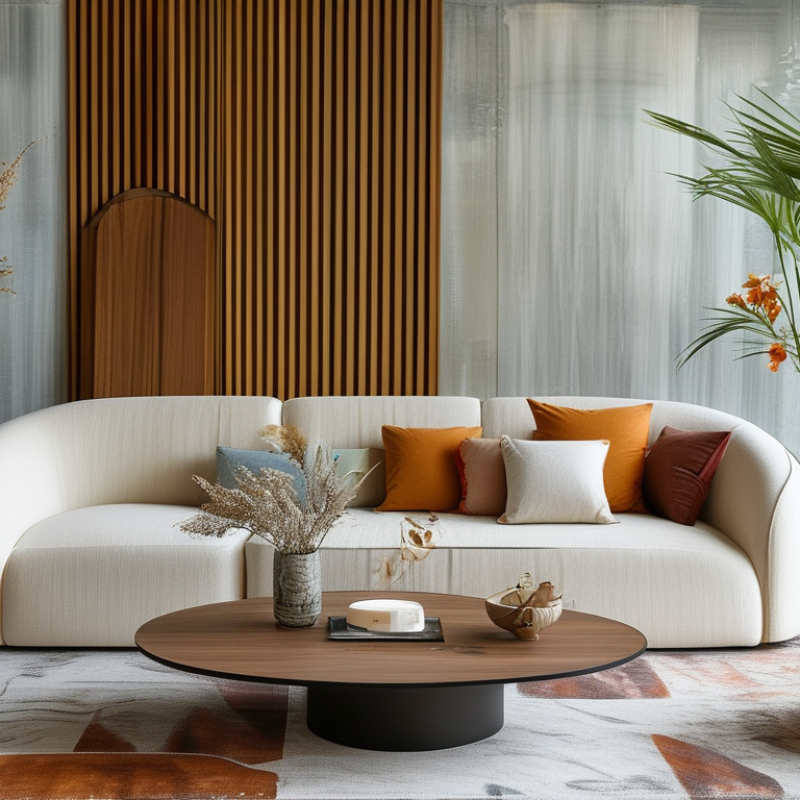
The evolution of Unionhomefurniture trends is remarkable. Recent reports indicate a significant shift toward sustainable materials. By 2026, experts predict that eco-friendly furniture will constitute more than 30% of market sales. This reflects a growing consumer demand for responsible sourcing and lower carbon footprints.
Design aesthetics are also changing. Consumers are gravitating towards minimalist styles that promote clean lines. The preference for natural hues, such as earthy tones, has surged. A 2023 industry analysis found that 65% of respondents favored simple designs over ornate ones. People are embracing comfort without sacrificing style, leading to innovative furniture forms.
However, challenges remain. Many manufacturers struggle with sustainable sourcing. Reliable supply chains can be hard to establish in this shifting landscape. Additionally, the price point of eco-friendly options often deters potential buyers. As the trends evolve, the industry must address these hurdles to keep pace with consumer expectations.
As we look ahead to 2026, Unionhomefurniture trends will reflect a blend of sustainability and innovation. Designers are focusing on eco-friendly materials. Natural woods, recycled metals, and organic fabrics will lead the way. This shift aims to meet the growing consumer demand for sustainable living.
Color palettes will evolve too. Earthy tones, such as terracotta and sage green, will dominate interiors. These colors promote a calming atmosphere. Moreover, multifunctional furniture will be essential in urban living. As space becomes a luxury, innovative designs will maximize functionality without sacrificing style.
Tip: Consider incorporating storage solutions into your furniture. Think about ottomans that double as storage cubes.
Another factor influencing design is technology. Smart furniture will gain popularity. Features like built-in charging ports and Bluetooth connectivity will enhance convenience. However, striking a balance between tech and aesthetics remains a challenge. Designers will need to ensure that tech integrations do not overshadow the overall design.
Tip: Embrace minimalist designs that showcase technology subtly. It creates a clean and organized look.
Navigating these trends requires a keen eye for detail. Consumers want pieces that tell a story. Reflection on personal values will guide many purchasing decisions. It's exciting to envision how Unionhomefurniture will evolve in the coming years.
As we look ahead to 2026, the trends in Unionhomefurniture are increasingly influenced by a focus on materials. Sustainable choices are becoming vital. Reports indicate that 70% of consumers prefer eco-friendly furniture options. This shift reflects a growing awareness of environmental impact. More manufacturers are using reclaimed wood and recycled metals, pushing the industry toward a circular economy.
Innovative materials are also gaining ground. Biodegradable composites and natural fibers are emerging favorites. According to a recent study, 55% of consumers are interested in furniture made from natural textiles. These materials not only offer aesthetic appeal but also reduce carbon footprints. The combination of elegance and responsibility resonates well with buyers today.
However, the transition is not without challenges. Sourcing sustainable materials can be costly and complex. Companies are struggling to balance affordability and environmental responsibility. While consumer demand is clear, the supply chain for high-quality sustainable materials lags behind. Reflections on these hurdles will shape how the industry evolves in the coming years.
| Material | Durability (Years) | Sustainability Rating | Cost per Unit ($) |
|---|---|---|---|
| Bamboo | 10 | High | 25 |
| Recycled Plastic | 15 | Very High | 30 |
| Solid Wood | 20 | Moderate | 50 |
| Cork | 12 | High | 45 |
| Metal | 25 | Moderate | 60 |
As we approach 2026, Unionhomefurniture trends highlight emerging color palettes and patterns that will redefine interior spaces. Fresh hues and innovative designs bring new life to our homes. Expect to see deep earthy tones like terracotta and muted greens dominating living areas. These shades create a calming atmosphere, perfect for relaxation.
Textural patterns will play a significant role as well. The mix of soft fabrics with geometric shapes offers a modern twist. Look out for layered textiles that add dimension to furniture pieces. Bold prints combined with subtle color schemes will create a striking visual impact.
Tips: When choosing colors, consider the room's purpose. Soft shades work well in bedrooms, while vibrant colors energize living spaces. Mixing patterns can add interest but keep a cohesive theme for balance. Experimentation is key; it’s okay if some combinations don’t work. Reflecting on what feels right is part of the design process. Don’t shy away from making changes as trends evolve.
Sustainable practices in the furniture industry are gaining momentum as consumers demand eco-friendly options. A recent report from the Sustainable Furnishings Council found that 70% of consumers prioritize sustainability in their home purchases. One significant trend is the use of reclaimed wood, which reduces waste and preserves natural resources. This material not only offers unique aesthetics but also promotes a circular economy.
Additionally, manufacturers are investing in non-toxic finishes and low-VOC materials. These alternatives help improve indoor air quality and the overall health of consumers. Industry experts note that using sustainable materials could potentially boost sales by 30% over the next few years. However, some manufacturers struggle to balance costs and sustainable sourcing. The transition requires careful planning and innovation to ensure profitability while meeting market demands.
Lastly, digital tools are becoming essential for transparency in the supply chain. Certifications and traceability apps help consumers make informed choices. Despite these advancements, challenges remain, particularly in educating consumers about product life cycles. Without this knowledge, the full potential of sustainable practices may not be realized.
This chart displays the projected trends in sustainable furniture practices for the year 2026. The data illustrates the increasing focus on eco-friendly materials, recycling practices, and local sourcing as key factors influencing consumer choices.
| Cookie | Duration | Description |
|---|---|---|
| cookielawinfo-checkbox-analytics | 11 months | This cookie is set by GDPR Cookie Consent plugin. The cookie is used to store the user consent for the cookies in the category "Analytics". |
| cookielawinfo-checkbox-functional | 11 months | The cookie is set by GDPR cookie consent to record the user consent for the cookies in the category "Functional". |
| cookielawinfo-checkbox-necessary | 11 months | This cookie is set by GDPR Cookie Consent plugin. The cookies is used to store the user consent for the cookies in the category "Necessary". |
| cookielawinfo-checkbox-others | 11 months | This cookie is set by GDPR Cookie Consent plugin. The cookie is used to store the user consent for the cookies in the category "Other. |
| cookielawinfo-checkbox-performance | 11 months | This cookie is set by GDPR Cookie Consent plugin. The cookie is used to store the user consent for the cookies in the category "Performance". |
| viewed_cookie_policy | 11 months | The cookie is set by the GDPR Cookie Consent plugin and is used to store whether or not user has consented to the use of cookies. It does not store any personal data. |