China Best Stainless Steel Products for Global Buyers?
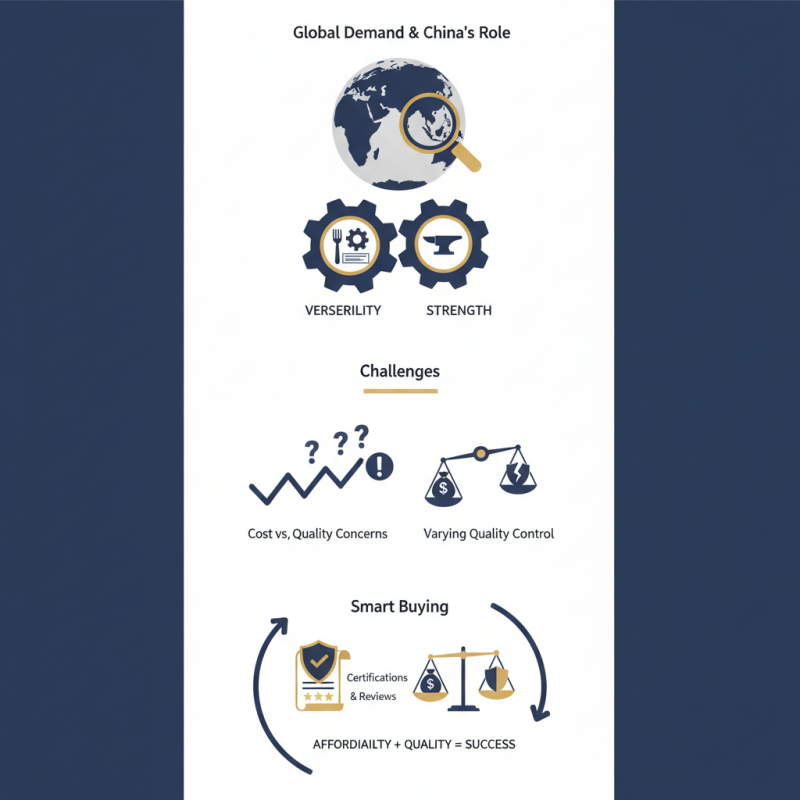
As the global demand for durable materials rises, Stainless Steel remains a top choice for various industries. According to Dr. Emily Cheng, a leading expert in stainless steel manufacturing, "Stainless steel offers unmatched versatility and strength." Her insights highlight the significance of this material in producing reliable products.
China has solidified its position as a major supplier of stainless steel items. The variety ranges from kitchenware to heavy machinery parts. However, potential buyers must navigate a competitive landscape that often lacks transparency. Quality control can vary, leading to concerns about consistency in production.
While Chinese stainless steel products can be cost-effective, buyers should conduct thorough research. Look for certifications and reviews that speak to a supplier's reputation. The stainless steel industry is filled with opportunities, but caution is necessary to ensure that you select the best products. The balance of affordability and quality will ultimately define a buyer's success.
Overview of China's Stainless Steel Industry
China's stainless steel industry has witnessed remarkable growth in recent years. According to the International Stainless Steel Forum (ISSF), China's production accounted for around 60% of the world's total stainless steel output in 2021. This dominance reflects the country's extensive infrastructure development and increasing consumption of stainless steel across various sectors.
The industry is bolstered by emerging technologies that enhance production efficiency. Reports indicate that the average annual growth rate of stainless steel production in China was approximately 8.5% between 2010 and 2020. Despite these advancements, challenges remain. Environmental regulations are tightening, compelling manufacturers to adopt greener practices. This shift raises costs and could hinder growth in the short run.
Moreover, market fluctuations can impact pricing and demand. In 2020, China's stainless steel exports fell by about 10% due to global supply chain disruptions from the pandemic. As global buyers seek reliable suppliers, understanding these dynamics is crucial. Buyers should be aware of not only the high-quality products but also the evolving regulatory landscape that influences the industry.
Key Features of Chinese Stainless Steel Products
Chinese stainless steel products have become increasingly popular among global buyers. They are recognized for their durability, aesthetics, and cost-effectiveness. In recent years, China's stainless steel production has surged, accounting for over 50% of the world’s total output, according to the International Stainless Steel Forum (ISSF). This is a significant statistic that highlights the impact of Chinese manufacturers in the global market.
One of the critical features of Chinese stainless steel products is their variety. They range from decorative sheets to industrial-grade materials. China's technological advancements have enabled the production of steel with specific grades and finishes. For example, the production of 304 and 316 grades, known for their corrosion resistance, is highly sought after. Additionally, the emphasis on sustainable production practices has led to a reduction in environmental impact, as reported by the China Steel Industry Association.
However, not all products meet the highest standards. Some items may exhibit quality inconsistencies. Various reports indicate that there are significant discrepancies in quality control among different manufacturers. This inconsistency can lead to unsatisfactory performance in specific applications, prompting buyers to conduct thorough research before purchase. Ensuring compatibility with industry standards is essential for success.
Top Manufacturers and Brands in China
China is a leading hub for high-quality stainless steel products. Numerous manufacturers are committed to innovation and sustainability. Their products are integral to various industries, including construction, automotive, and kitchenware.
According to recent industry studies, the global stainless steel market is expected to reach $200 billion by 2026, with China playing a pivotal role. Reports suggest that over 50% of the world's stainless steel production occurs in China. This dominance is attributed to advanced manufacturing processes and stringent quality control measures.
Tips: When selecting manufacturers, consider their certifications and production facilities. A transparent supply chain is crucial for quality assurance. Moreover, comparing prices among suppliers can help identify the best deals.
Despite these advantages, not all manufacturers meet international standards. Some may cut corners to reduce costs. Thorough research and vetting are essential before making procurement decisions. The inconsistency in quality can impact your project's success significantly. Always seek credible reviews and industry insights before finalizing suppliers.
Trends in Stainless Steel Design and Innovation
The stainless steel industry is witnessing remarkable trends in design and innovation. According to a recent report by the Global Stainless Steel Coalition, the market is projected to grow at a CAGR of 5.5% from 2023 to 2030. This indicates substantial demand driven largely by advancements in material science. Manufacturers are focusing on developing lightweight, corrosion-resistant products. These innovations not only improve functionality but also enhance aesthetic appeal.
Sustainability is a key consideration in modern stainless steel design. A study by the International Stainless Steel Forum reveals that recycled materials now account for over 70% of global stainless steel production. This reflects a broader shift towards eco-friendly practices. However, the industry faces challenges in balancing sustainability with cost management. Some companies struggle to source recycled materials that meet quality standards, leading to inconsistencies in product performance.
Additionally, digital technology is reshaping the stainless steel sector. Automation and AI are streamlining production processes, increasing efficiency, and reducing waste. Yet, reliance on technology raises concerns about job displacement and skills gaps. As the industry evolves, stakeholders must address these critical issues. Analyzing trends not only informs product development but also encourages a reflective evaluation of the industry's future path.
Trends in Stainless Steel Products for Global Buyers
Global Market Demand for Chinese Stainless Steel
The global demand for stainless steel products has surged. Chinese manufacturers have become significant players in this market. Their ability to produce high-quality stainless steel at competitive prices attracts buyers from various industries.
Several factors contribute to this trend. Chinese stainless steel is known for its durability and versatility. Industries such as construction, automotive, and kitchenware increasingly rely on these materials. Additionally, China's advanced production techniques ensure consistent quality. However, challenges remain. Some buyers express concerns about quality control. Counterfeit products are sometimes an issue. Transparent supply chains and reliable certifications are essential for building trust.
The future looks promising for Chinese stainless steel in global markets. As companies adapt to changing demands, innovation in production methods is vital. Sustainable practices will also influence purchasing decisions. Buyers seek materials that align with eco-friendly goals. Emphasizing quality and sustainability could differentiate Chinese products from others on the market.
China Best Stainless Steel Products for Global Buyers
| Product Type | Global Demand (Metric Tons) | Market Growth Rate (%) | Main Export Regions | Average Price per Ton (USD) |
| 304 Stainless Steel | 1,200,000 | 5.2 | North America, Europe | 2,150 |
| 316 Stainless Steel | 800,000 | 4.8 | Asia, South America | 2,500 |
| 430 Stainless Steel | 600,000 | 3.5 | Europe, Middle East | 1,800 |
| Duplex Stainless Steel | 400,000 | 6.0 | North America, Asia | 3,000 |
| Ferritic Stainless Steel | 500,000 | 2.2 | Africa, Asia | 1,600 |