What is the Best Piston Filler for Efficient Production?
In the fast-paced world of manufacturing, choosing the right equipment is critical for efficiency. The Piston Filler has emerged as a popular solution for many companies. According to John Smith, a renowned expert in liquid filling technologies, “A well-designed Piston Filler can drastically reduce downtime and increase output.” This statement highlights the importance of selecting the best equipment for production needs.
Piston Fillers work by accurately dispensing liquids into containers. Their design allows for precise measurements, making them ideal for various products. However, not all Piston Fillers are created equal. Companies must consider their specific requirements. The choice may impact production speed, accuracy, and overall effectiveness. Finding the right Piston Filler might seem simple, but the options can be overwhelming.
It is crucial to assess various factors when choosing a Piston Filler. For example, production volume, liquid viscosity, and container size all play significant roles. Companies often wish they had conducted more thorough research before purchasing. Understanding the nuances of each model can lead to more informed decisions and better returns on investment.
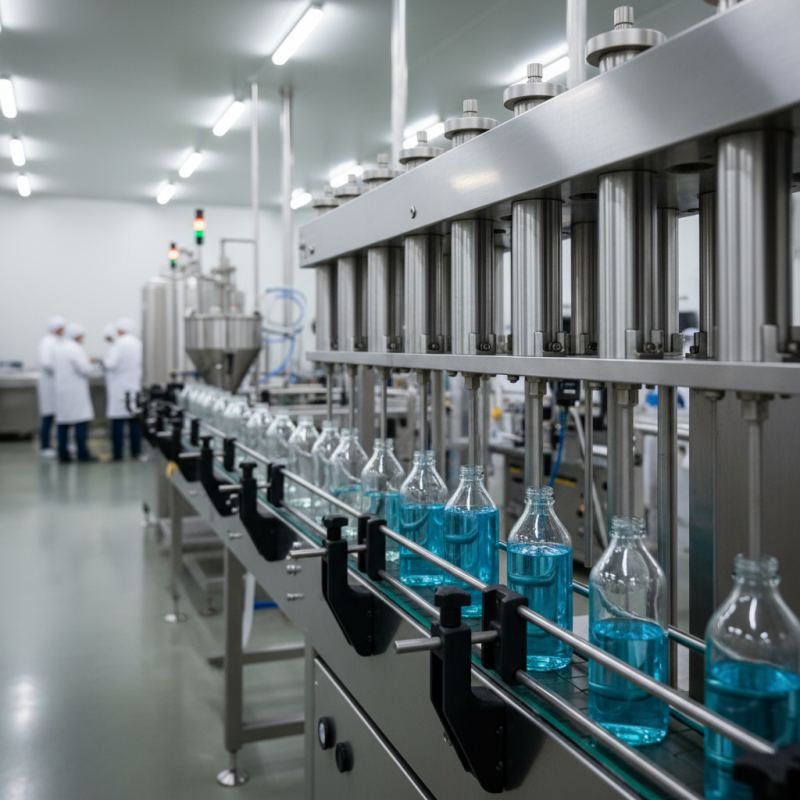
Understanding Piston Fillers: Key Components and Functionality
Piston fillers are vital in many industries. They ensure accuracy in filling liquids. Understanding their key components is crucial for maximizing efficiency. These fillers primarily consist of a piston, cylinder, and a nozzle. The piston creates a vacuum to draw liquid into the cylinder. When activated, it expels the liquid through the nozzle. This process is critical for consistent production rates.
When choosing a piston filler, consider the type of liquid being filled. Thick liquids require stronger pistons for effective filling. Ensure that the nozzle design matches the viscosity of the product. A nozzle that is too small may cause clogs. Conversely, a larger nozzle might lead to spills. Regular maintenance of these components is also vital. Wear and tear can affect performance over time.
Tips: Regularly inspect the piston and cylinder for signs of wear. Proper cleaning prevents contamination. Understanding the fill cycle aids in optimizing production time. Track the performance data of the filler. This information helps identify areas for improvement. Adjustments may be needed as your production volume changes. Overall, attention to these details can enhance your filling process significantly.
Types of Piston Fillers: Choosing the Right One for Your Production Needs
When selecting a piston filler for production, it is crucial to understand the types available. There are various configurations, including gravity, vacuum, and positive displacement fillers. Each type has unique advantages that fit specific production needs. For instance, vacuum fillers excel at handling thicker products, ensuring no air bubbles form. They are ideal for viscous liquids, but can be more complex to maintain.
Another option is the positive displacement filler. This type offers precise control over the volume dispensed, which benefits operations requiring exact measurements. However, they may struggle with products that have varying viscosities. Evaluating these factors helps highlight the ideal piston filler for your production line.
Many facilities face challenges in scaling production due to improper equipment choices. Often, businesses overestimate their needs or underestimate potential growth. It’s vital to contact experts and consider future demands before making these significant investments. Understanding your product's viscosity, stability, and chemical composition could influence your choice significantly. Each production line is unique, so taking the time to reflect on these elements can lead to better decision-making.
Factors to Consider for Efficient Production with Piston Fillers
When selecting a piston filler for production, efficiency is key. Several factors play a role in ensuring optimal performance. The first consideration is the material of the filler. Different products require specific materials for optimal compatibility and hygiene. Stainless steel is a common choice due to its durability and ease of cleaning.
Speed and accuracy also matter. Some machines can fill multiple products at once, while others may focus on precision for smaller batches. It's essential to assess the product's viscosity. Thicker products may need a different setup. Testing various settings allows for finding the best balance.
Tip: Regular maintenance is vital for consistent performance. Cl clogged parts can slow down production and lead to waste.
Training staff on the setup and troubleshooting processes enhances overall efficiency. Lack of knowledge can lead to errors and downtime. In some cases, investing in training can seem costly but pays off in the long run.
Tip: Always have a backup plan. If machinery breaks down, production can come to a halt. Having a contingency plan minimizes disruptions.
By focusing on these aspects, you can optimize production while mitigating common challenges associated with piston fillers.
Comparative Analysis: Top Brands and Models of Piston Fillers
Piston fillers are essential for efficient production in various industries. They offer precision and reliability. According to a recent industry report, these machines can improve filling accuracy by up to 98%. This precision minimizes waste and enhances overall productivity.
When analyzing different models, it's crucial to consider their features. Some piston fillers come with adjustable stroke lengths and speeds. These features allow flexibility for various bottle sizes and fluids. In one case study, a manufacturer increased output by 30% after switching to a model with an adjustable fill speed. However, not all models can handle thicker products effectively. Some users reported challenges with viscosity when using specific fillers.
Moreover, the maintenance of piston fillers is crucial. Regular servicing can prevent downtime and extend the lifespan of the equipment. Yet, some systems require complex calibration. This complexity can lead to inefficiencies if staff lacks proper training. Implementing user-friendly designs can help streamline operations. While technology evolves, human factors remain pivotal in maximizing the efficiency of piston fillers.
Maintenance Tips for Optimizing Piston Filler Performance and Longevity
Maintaining a piston filler is essential for optimal performance. Regular maintenance enhances efficiency and extends longevity. Begin with frequent cleaning. Residues can affect filling accuracy. Use appropriate solvents and tools for thorough cleaning. Neglecting this can lead to downtime.
Lubrication is crucial. Use the recommended lubricants for moving parts. Proper lubrication reduces wear and tear. Check seals regularly for any signs of damage. Broken seals can lead to leaks and inconsistent fills. Replace them promptly to prevent larger issues.
Monitor the machine’s performance. Ensure it operates smoothly and within set parameters. Odd noises or irregular fills are signs for inspection. Adjustments may be necessary to maintain accuracy. Consistent checks help in identifying potential problems early. Regular maintenance makes a significant difference.