What is the Best Flotation Equipment for Your Needs?
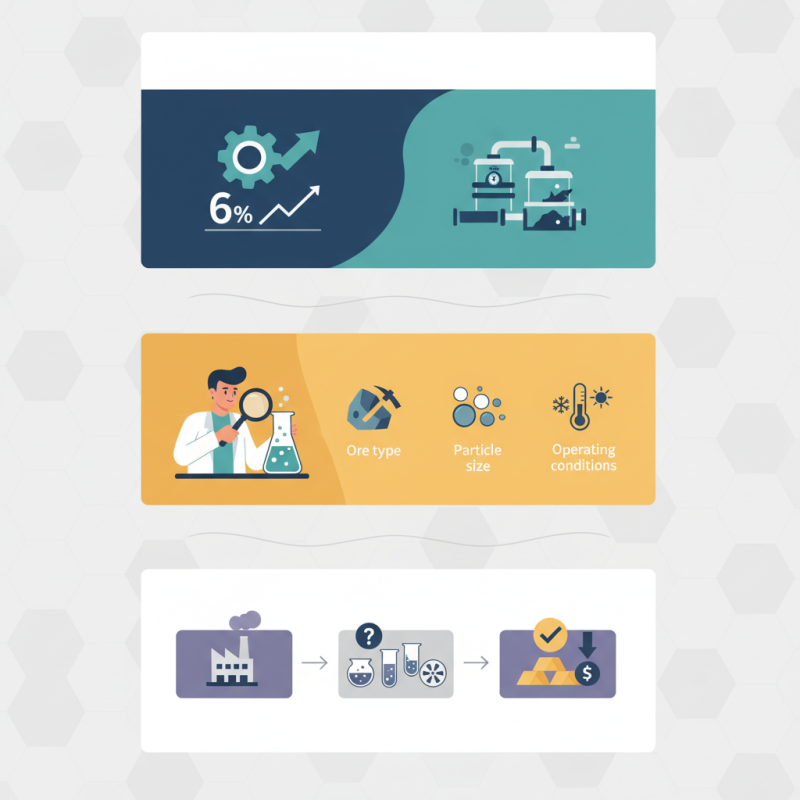
Flotation Equipment plays a crucial role in various industries, especially in mineral processing. According to a recent market report by Technavio, the global flotation equipment market is expected to grow by 6% annually over the next five years. This growth highlights the increasing demand for efficient separation technologies.
Dr. Alex Rivera, an expert in mineral processing, emphasizes, "Choosing the right flotation equipment can significantly improve recovery rates and reduce operational costs." This statement underlines the importance of selecting the appropriate equipment based on specific needs. Different industries require unique flotation solutions tailored to their operations.
However, companies often make mistakes in equipment selection. Investing in cutting-edge technology does not always equate to better results. It is essential to consider factors such as ore type, particle size, and operating conditions before making a decision. Careful evaluation can lead to optimized performance and cost savings. Understanding these complexities is vital for achieving success in flotation processes.
Understanding Flotation Equipment: Types and Their Applications
Flotation equipment plays a crucial role in various industries, particularly in mining and wastewater treatment. Different types of Flotation Machines cater to specific applications. For instance, mechanical flotation cells are commonly used in mineral processing. They work by creating air bubbles that attach to particles, helping separate valuable minerals from waste.
Another type is the column flotation cell, which offers improved efficiency for fine particle recovery. This type allows for better control over the froth phase, making it ideal for complex ores. However, its higher initial costs and operational complexities can pose challenges for some operations. In contrast, dissolved air flotation systems serve well in removing suspended solids from wastewater. They utilize saturated air to generate bubbles, promoting effective separation.
Understanding the specific needs and goals of your application is essential. Choosing the right flotation equipment requires careful consideration of factors like particle size, material type, and operational scale. Gathering expert advice or consulting with experienced professionals can illuminate potential pitfalls in equipment selection. Optimize performance by being aware of the limitations and trade-offs involved in your choice of flotation technology.
What is the Best Flotation Equipment for Your Needs?
| Equipment Type | Applications | Advantages | Limitations |
| Mechanical Flotation Cells | Mineral processing, wastewater treatment | High capacity, efficient aeration | Sensitive to variations in feed quality |
| Column Flotation | Froth flotation of metals, minerals | Superior separation efficiency, compact design | Higher capital and operating costs |
| Dissolved Air Flotation (DAF) | Wastewater treatment, oil removal | Effective in removing suspended solids | Requires careful operating conditions |
| Reactor Flotation | Chemicals recovery, bioflotation | Integration of reaction and flotation | Complex design and operation |
| Flotation Machines | Processing concentrates, bulk flotation | Versatile, can handle various mineral types | Can be less efficient than specialized types |
Key Parameters for Selecting the Right Flotation Equipment
When selecting flotation equipment, several key parameters should be considered. Understanding these elements is crucial for aligning equipment with your operational needs. First, assess the type of materials being processed. Different materials may require specific types of flotation cells. For example, materials with fine particles might need more sophisticated designs.
Another important factor is the capacity and scalability of the equipment. It’s vital to ensure that the flotation systems can handle your expected workload. Additionally, consider the reagent compatibility of your chosen equipment. The chemical types that work with your materials can significantly impact recovery rates. Always review past performance data where possible, but remember that variability exists, and some results may not be replicable.
Efficiency and energy consumption are other critical points. More efficient systems can reduce operating costs, yet the initial investment may be higher. It’s essential to evaluate whether the long-term savings justify the upfront expense. Gathering insights from industry experts can provide clarity. Each operation is unique, necessitating a tailored approach to flotation equipment selection. Remember, learning from past decisions can lead to better choices in the future.
Comparative Analysis of Flotation Cell Types in the Industry
When selecting flotation equipment, understanding different cell types is crucial. There are several flotation cell designs used in the industry, each with unique advantages. For instance, mechanical flotation cells are widely used due to their reliability. They feature rotating impellers that create air bubbles, enhancing mineral recovery rates. However, the energy consumption of these cells can be considerable.
Column flotation cells offer another option, particularly effective for fine particle separation. They utilize a tall, narrow column, allowing for improved froth behavior. This design can lead to higher selectivity but may require more space and careful operation management. Beginners often find it challenging to achieve optimal performance with this equipment.
Tips: Evaluate your mineral type and particle size before choosing. Ensure your operational team is trained on the specific technology you select. Customizing the flotation process may require trial and error. Avoid the lure of sticking to one type without considering your goals. Remember, even successful operations often need adaptation and refinement.
Case Studies: Successful Implementations of Flotation Technology
Flotation technology has been successfully implemented across various industries, demonstrating its effectiveness in mineral processing. A notable case study involves a copper mining operation that reported an increase in recovery rates by 15%. By refining their flotation equipment, they enhanced the separation efficiency. Prior to upgrading, they struggled with low yield and high operational costs.
Another example includes a coal preparation plant that adopted a new flotation method. They achieved an impressive reduction in ash content within their product. According to industry reports, they decreased reject rates by 25%, leading to significant annual savings. While these successes illustrate the potential of flotation, they also reveal areas for reflection. Implementing new technology often involves a steep learning curve and occasional setbacks.
Challenges such as equipment maintenance and operator training persist. Continual assessment of these factors is crucial for ongoing success. Industry data suggests that 30% of flotation systems underperform due to insufficient training. Engaging in thorough training programs can be an investment in future performance. This signifies that while flotation technology is promising, comprehensive preparation remains essential for optimal outcomes.
Future Trends in Flotation Equipment Innovation and Efficiency
The future of flotation equipment is evolving rapidly. Companies are embracing advanced technologies to enhance efficiency and effectiveness. Automated systems are becoming common, allowing for real-time monitoring. This leads to better decision-making in processing operations.
Sustainability is another major trend. There is a push for equipment that minimizes energy consumption and waste. Innovative materials are being introduced to improve durability. These advancements also aim to reduce environmental impact. However, the challenge remains to balance innovation with cost-effectiveness.
Investing in new technologies often requires a cultural shift within organizations. Teams must adapt to new workflows and tools. This can create tension. Additionally, not all innovations deliver immediate results. Organizations should reflect on their specific needs before committing to changes. Engaging with experts helps in understanding what truly works.
Flotation Equipment Efficiency Trends