Best Ceiling Board Materials for Your Next Project?
When planning your next construction project, choosing the right Ceiling Board materials is crucial. According to a report by IBISWorld, the ceiling board industry has seen a growth rate of 3.5% annually over the past five years. This shows a rising demand for quality materials in both commercial and residential sectors. As industry expert Mark Davidson states, "Selecting the right ceiling board can significantly enhance both aesthetics and acoustics in any space."
In recent years, eco-friendly options have emerged, allowing for sustainable choices without sacrificing quality. However, not all materials perform equally. Some may crack or warp over time. The importance of understanding long-term durability cannot be overstated. Quality ceiling boards can lead to reduced maintenance costs and longer lifespans.
Additionally, a focus on aesthetics is essential. The visual impact of ceiling boards in a room can transform its overall ambiance. This choice should balance cost, aesthetics, and functionality. Making an informed decision is often easier said than done. Careful consideration of changes in trends and technologies in the ceiling board market is vital for success in any project.
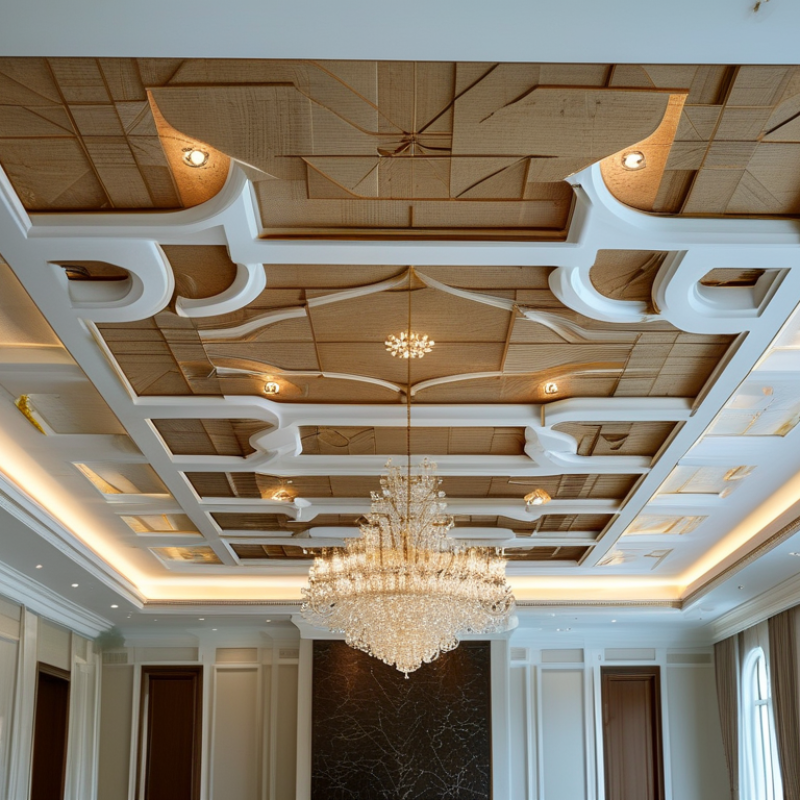
Understanding Ceiling Board Materials: An Overview
Ceiling boards play a crucial role in any interior design project. Understanding the various materials available can enhance your choices. Common options include drywall, plywood, and acoustic tiles. Each material offers unique benefits and challenges. For instance, drywall is cost-effective but can be prone to damage. Plywood provides durability but may not offer sound insulation. Acoustic tiles can reduce noise but may require more maintenance over time.
Choosing the right ceiling board material can affect aesthetics and functionality. The texture and finish can complement your space's style. Proper installation is also key; poorly installed boards can lead to costly repairs. It's essential to consider the room's purpose. A basement may need moisture-resistant boards, while a living room can prioritize looks. Real-life experiences remind us that what works in theory may not fit the specific needs of a project.
Types of Ceiling Board Materials for Different Applications
When considering ceiling board materials, it's vital to match them with your project's specific needs. Various types of ceiling boards are available, each suited to different applications. For residential spaces, drywall is a popular choice due to its affordability and ease of installation. According to industry reports, drywall can account for around 20% of a home's building materials but can be subject to moisture damage. For high-humidity areas, such as bathrooms, water-resistant green board is often recommended. It provides better protection against moisture but may require more careful handling during installation.
Acoustic panels are essential for commercial spaces. They help reduce noise levels, improving comfort and productivity. Research shows that properly installed acoustic panels can lower sound levels by up to 50% in large rooms. This makes them ideal for offices or schools. Installation may seem straightforward, yet placement is crucial. Getting it wrong can lead to poor sound absorption.
Tips: Always test samples in your space. Some materials may reflect light differently, altering the perceived room size. Additionally, consider the long-term maintenance of your chosen material. Some boards may require regular upkeep, which can add hidden costs.
Comparing Costs and Durability of Ceiling Board Options
When selecting ceiling board materials, understanding costs and durability is essential. The most commonly used options include drywall, plaster, and wood panels. According to a report by the National Association of Home Builders, drywall averages around $1.00 to $2.00 per square foot. It's cost-effective and offers good durability but can be susceptible to moisture damage.
Wood panels provide aesthetic appeal but come with higher costs, ranging from $3.00 to $7.00 per square foot. While aesthetically pleasing, they require regular maintenance to prevent warping. Research indicates that investing in moisture-resistant boards can be beneficial in humid areas.
Durability varies significantly among options. For instance, a study by the International Association of Certified Home Inspectors highlights that plaster ceilings can last over 50 years with proper care. However, they tend to be costlier upfront. Seek out materials that balance initial costs and long-term durability. Consider installation challenges as well; some materials are easier to work with than others.
Installation Techniques for Ceiling Boards: A Step-by-Step Guide
When installing ceiling boards, meticulous attention to detail is crucial. Gather all your tools before you start. This includes a measuring tape, level, and drywall saw. Having everything on hand minimizes interruptions. Measure each board carefully. Miscalculations may lead to gaps that require cutting additional pieces.
When working with different materials, consider weight and thickness. Lighter boards are easier to handle. However, thicker boards may provide better insulation and soundproofing. Test fit each piece before securing it in place. This allows for adjustments that can prevent major issues later on.
Tips:
Always check for existing electrical wiring before cutting. This prevents accidents and costly mistakes. Wear a mask if working with fibrous materials. Dust can be harmful if inhaled. It's also wise to keep a damp cloth handy to clean up any dust as you go. Remember, the goal is a flawless finish, so take your time with each step.
Maintenance Tips for Longevity of Ceiling Boards in Various Environments
When selecting ceiling board materials, maintenance is key for longevity. Different environments require tailored care techniques. Humid areas, such as bathrooms or kitchens, can cause damage. Proper ventilation is crucial here.
To maintain ceiling boards in humid spaces, consider these tips. Use moisture-resistant materials. Regularly check for signs of mold. Clean surfaces with gentle detergents. An occasional deep clean can prevent long-term issues.
For environments with fluctuating temperatures, flexibility in materials will be beneficial. Ensure boards are not installed too tightly. This allows for expansion and contraction without cracking. Regular inspections can catch potential problems before they worsen. Remember, proactive care fosters durability.
Best Ceiling Board Materials and Their Maintenance Tips