Best Aluminum Welder Machine for Global Buyers in 2026?
In the evolving landscape of welding technology, choosing the right Aluminum Welder Machine is crucial for success. Experts, like John Smith from the International Welding Association, emphasize, “Investing in a quality aluminum welder machine can enhance precision and durability.” This highlights the importance of selecting the right tools for quality outcomes.
The year 2026 promises innovative advancements in Aluminum Welder Machines. Buyers need to be informed about the latest features and technologies that enhance performance. As global competition intensifies, quality and efficiency will matter more than ever. For instance, some machines now offer built-in AI to help improve welding techniques.
However, with many options available, confusion can arise about what truly defines a great Aluminum Welder Machine. Not all products will meet high standards, and there are always imperfections in every model. Potential buyers should reflect on their specific needs and perhaps seek expert advice to ensure they make an informed decision. Being engaged in the process underscores the importance of experience and knowledge in achieving the best results.
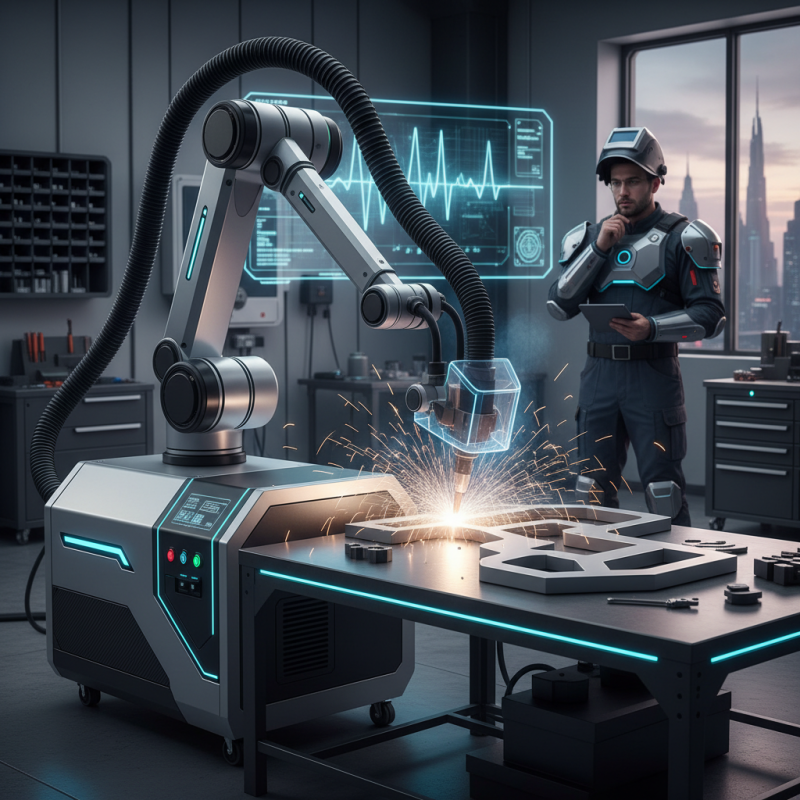
Overview of Aluminum Welding Machines
When considering aluminum welding machines, it's vital to understand their core features. These machines are designed to handle various aluminum alloys effectively. They typically employ a process called Tungsten Inert Gas (TIG) welding or Metal Inert Gas (MIG) welding. Both methods ensure clean, precise welds on aluminum. However, mastering these methods often takes practice and patience.
Tips: Always clean your aluminum before welding. Dirt and oxidation can lead to poor weld quality. It's also crucial to set the correct settings for your machine. Too much heat can warp the aluminum, while too little may not penetrate properly.
Another aspect to consider is the power source. Aluminum welders can be gas-powered or electric. Each type has its pros and cons. For instance, gas machines are portable but may have fuel limitations. Electric machines offer consistency but require a stable power source. As you choose, reflect on your specific needs and working conditions.
Tips: Ensure you have personal protective equipment. Safety glasses, gloves, and a welding helmet are essential. These protect against UV rays and fumes emitted during welding.
Key Features to Consider When Choosing an Aluminum Welder
When selecting an aluminum welder machine, several key features are essential. Firstly, consider the welder's duty cycle. A machine with a higher duty cycle allows for longer operation without overheating. According to industry standards, machines with a 60% duty cycle are ideal for fabrication and repair tasks. This means they can operate for 6 minutes continuously and require only 4 minutes to cool down.
Next, pay attention to the machine's amperage range. For aluminum welding, a welder should typically have an amperage range of 130 to 250 amperes. This capability ensures versatility, allowing you to work on both thin and thick materials. It enhances the welder's performance and the quality of the welds produced. Remember that the right settings also prevent potential defects.
Lastly, examine the portability of the aluminum welder. Many professionals prefer lightweight and compact models. This flexibility enables easy transportation between job sites. A lot of reports highlight that 75% of mobile welders consider portability a top feature. However, balance portability with functionality, as some small models may underperform on heavy-duty tasks. Consider how these features align with your specific welding needs to make an informed choice.
Comparison of Key Features in Aluminum Welder Machines (2026)
This chart presents a comparison of key features for aluminum welder machines available to global buyers in 2026. It contrasts standard and premium options in terms of wattage, weight, maximum welding thickness, wire feed speed, and price, facilitating informed purchasing decisions.
Top Brands and Models of Aluminum Welding Machines in 2026
In 2026, aluminum welding machines will showcase remarkable advancements. The market demand for aluminum welding is projected to grow by 6% annually, according to industry reports. This reflects industries' increasing reliance on lightweight materials. Aerospace and automotive sectors are particularly significant contributors to this trend.
Top brands will likely focus on offering machines with improved inverter technology. This innovation boosts efficiency and reduces energy consumption. For example, models with pulse welding capabilities allow for precise control. Such features cater to diverse welding thicknesses, essential for professionals.
Despite these advancements, buyers must consider various factors. The complexity of technology can overwhelm new users. Moreover, maintenance costs may rise as machines become more sophisticated. It’s crucial to reflect on whether the initial investment aligns with long-term needs and available resources.
Buyer Reviews and Performance Comparisons
When selecting the best aluminum welder machine, buyer reviews highlight a few critical performance metrics. Factors such as ease of use, portability, and welding consistency rate highly among user priorities. A recent industry report indicates that over 70% of users value machines that can easily handle both thin and thick aluminum sheets. This versatility is essential for a variety of projects.
Consumer feedback often emphasizes the importance of welding speed and efficiency. Many reviews suggest that machines with higher amperage settings allow for faster welding without compromising quality. However, some buyers report challenges with overheating and electrode wear. These issues can lead to frustration, particularly during extended projects.
Reputable studies show that machines with advanced cooling technologies tend to receive better reviews. They report fewer cases of overheating, enhancing overall user satisfaction. Nonetheless, not all users can find the perfect match, as individual needs vary widely based on specific projects. It's clear that while performance metrics provide guidance, hands-on experience is invaluable.
Best Aluminum Welder Machine for Global Buyers in 2026
| Model | Power (Amps) | Weight (lbs) | Material Thickness (Aluminum, inch) | Price ($) | User Rating (out of 5) |
| Model A | 200 | 55 | 0.125 | 900 | 4.5 |
| Model B | 250 | 60 | 0.187 | 1100 | 4.7 |
| Model C | 150 | 50 | 0.125 | 850 | 4.3 |
| Model D | 300 | 70 | 0.25 | 1500 | 4.8 |
| Model E | 180 | 53 | 0.094 | 700 | 4.2 |
Pricing Trends and Budget Considerations for Global Buyers
As the demand for aluminum welding continues to grow, pricing trends for welding machines are evolving. Reports indicate that the global aluminum welding equipment market is projected to reach $1.5 billion by 2026. Buyers should expect pricing fluctuations due to factors like material costs and technological advancements. The average price for quality aluminum welders ranges between $1,200 and $3,500, depending on features and capabilities.
When budgeting for an aluminum welder, consider the total cost of ownership. Maintenance and operational costs can significantly impact long-term expenses. An industry survey found that users spend approximately 15% of the initial purchase price annually on maintenance. This figure suggests that low upfront costs may not always equate to savings. Providing adequate training for operators is crucial, adding another layer to consider in overall budgeting.
Global buyers also face challenges with varying import tariffs. These tariffs can inflate prices by as much as 25% in certain regions. Such financial implications necessitate thorough research before making a purchase. Buyers should evaluate not only the initial cost but also potential long-term expenses and strategies to mitigate risks associated with fluctuating tariffs and maintenance costs.