Top 10 Benefits of Steel Structures for Global Buyers?
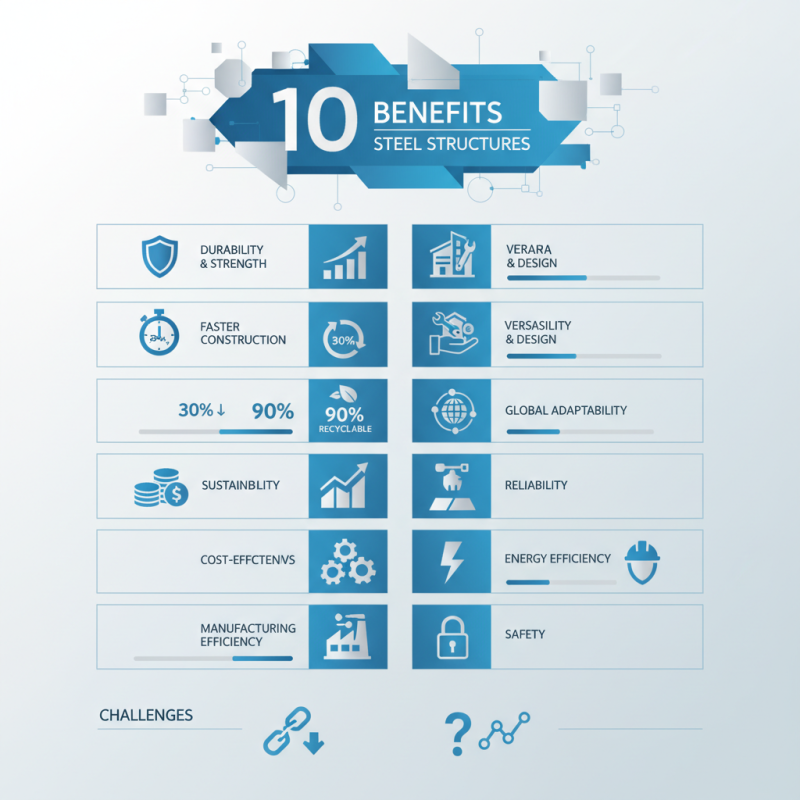
Steel structures have transformed the construction landscape. As global buyers seek durable and efficient building solutions, the advantages of "Стальная конструкция" are becoming increasingly evident. The World Steel Association reports that steel has a recycling rate of up to 90%, showcasing its sustainability. This factor is crucial for companies aiming to meet environmental goals.
According to industry expert Alexei Petrov, “Steel structures merge innovation with efficiency.” His insights highlight the role of steel in modern architecture. Builders are drawn to its strength and versatility. Research indicates that projects using steel can reduce construction time by as much as 30%. This rapid completion translates to cost savings and faster market entry for businesses.
However, challenges exist in sourcing and material costs. Global supply chain disruptions have affected availability. Buyers must navigate these complexities to fully leverage the benefits of steel. Moreover, the perception of steel as a demanding material can sometimes overshadow its advantages. A balanced understanding of these factors is essential for companies looking to invest in "Стальная конструкция.
Advantages of Steel Structures in Construction Industry
Steel structures have transformed the construction industry in recent years. Their strength, durability, and lightweight nature make them a preferred choice for many builders. According to the World Steel Association, steel structures can withstand extreme weather conditions, reducing the risk of structural failure. This adaptability results in fewer maintenance requirements and lower long-term costs for global buyers.
In addition, steel's sustainable characteristics contribute to its growing popularity. Reports from the American Institute of Steel Construction indicate that up to 90% of steel can be recycled, promoting environmental responsibility. This ability to recycle reduces landfill waste and conserves natural resources. However, some may argue that the initial investment in steel can be higher compared to other materials.
Flexibility in design is another key benefit. Aluminum and concrete have limitations, while steel allows for larger spans and innovative architectural designs. The design flexibility can lead to specific challenges, however, like ensuring adequate support for heavy elements. Addressing these complexities requires skilled professionals who understand steel's unique properties, emphasizing the importance of expertise in this field.
Durability and Longevity of Steel Structures
Steel structures are renowned for their durability and longevity. They can withstand harsh weather conditions, including heavy winds and extreme temperatures. This robust nature makes them ideal for various applications, from skyscrapers to bridges. The material resists rot and pest damage, often outlasting wood and other traditional building materials.
Maintenance plays a crucial role in extending the life of steel structures. Regular inspections ensure that any signs of rust or corrosion are addressed promptly. While steel is inherently strong, it requires protective coatings to prevent degradation. Such efforts may seem tedious, but they prove essential in preserving the integrity of steel constructions.
Investing in steel structures often offers substantial returns over time. Their longer lifespan translates to lower repair and replacement costs. Buyers must consider both the upfront costs and long-term benefits. However, not every project may benefit equally from steel. Analyzing specific needs can lead to better material choices, ensuring efficiency and satisfaction.
Cost-Effectiveness of Steel as a Building Material
In the construction industry, steel stands out for its cost-effectiveness as a building material. It often reduces labor and material costs. Steel structures are lighter than traditional materials, which can minimize foundation costs. Additionally, they allow for quicker assembly, leading to reduced project timelines. This efficiency directly translates to lower labor expenses.
Moreover, steel’s durability contributes to long-term savings. It is resistant to weather, pests, and corrosion. Many structures require less maintenance compared to those made from wood or concrete. This resilience means fewer repairs and replacements over time. However, initial costs can be higher. Buyers must evaluate their budget and project needs carefully.
Thinking about sustainability, steel is recyclable, which adds to its appeal. While the production process can be energy-intensive, recycling steel significantly reduces its environmental impact. Buyers should consider the entire lifecycle of a building material. The upfront cost of steel might seem daunting, but the potential for savings over time is substantial. This reflection can influence purchasing decisions significantly.
Top 10 Benefits of Steel Structures for Global Buyers
| Benefit | Description | Cost-Effectiveness |
| Durability | Steel structures are resistant to many environmental factors and can last longer than other materials. | Lower maintenance costs over time. |
| Speed of Construction | Prefabricated steel components allow for quicker assembly on-site. | Reduced labor costs due to faster project completion. |
| Design Flexibility | Steel allows for innovative designs and large spans, making it ideal for modern architecture. | Potential for more efficient use of space and resources. |
| Sustainability | Steel is recyclable, contributing to reduced environmental impact. | Savings on disposal and new material costs. |
| Fire Resistance | Steel has inherent fire-resistant properties compared to wood and other materials. | Lower insurance premiums due to reduced fire risk. |
| Cost Predictability | Steel pricing is relatively stable compared to other materials. | Better budget management for projects. |
| Reduced Foundation Costs | Steel's lightweight nature can lead to savings on foundation work. | Lower overall construction costs. |
| Low Life Cycle Costs | Long maintenance intervals and recyclability contribute to lower life cycle costs. | Overall savings across the lifespan of the structure. |
| Enhances Aesthetic Appeal | Steel structures allow for modern and sleek designs that are visually appealing. | Attracts more tenants or buyers, potentially increasing revenue. |
| Increased Resilience | Steel can withstand harsh weather conditions better than other materials. | Potentially lower repair costs after environmental events. |
Environmental Benefits of Using Steel in Construction
Steel structures offer significant environmental benefits in construction. One major advantage is their recyclability. Steel can be melted and repurposed without losing quality. This reduces waste significantly. In fact, recycled steel can make up a large portion of new steel.
Another aspect to consider is energy efficiency. Manufacturing steel requires less energy when using recycled materials. This lowers carbon emissions associated with production. Many construction projects now prioritize steel for this reason. The durability of steel also means longer lifespans for structures. Buildings made of steel can withstand harsh weather conditions. This leads to fewer repairs and replacements over time.
However, the resource extraction process for steel can still be challenging. Mining for iron ore does impact ecosystems. It’s crucial for the industry to improve practices. Innovative methods can mitigate these effects. Continuous efforts are needed to enhance sustainability. Steel structures show great promise for a greener future in construction.
Design Flexibility and Aesthetic Appeal of Steel Structures
Steel structures offer remarkable design flexibility, catering to diverse architectural needs. Their strength allows for open floor plans and large spans. According to a report by the American Institute of Steel Construction, about 90% of modern buildings incorporate steel elements due to this flexibility. Architects can creatively shape spaces without compromising safety or functionality.
Aesthetic appeal is another advantage of steel. Its sleek lines and ability to combine with other materials enhance visual impact. Steel can be treated in various ways—painted, galvanized, or left raw. The versatility in finishes fosters unique designs, making buildings stand out. Reports indicate that buildings using steel often yield higher market value, sometimes appreciating 20% more than traditional structures.
Despite its benefits, challenges exist. The demand for skilled labor in steel fabrication can delay projects. Furthermore, sourcing sustainable materials remains a concern for eco-conscious designs. While steel is recycled easily, the environmental impact of production needs careful consideration. Balancing design ambitions with practical constraints is an ongoing reflection in the industry.