Top 10 Benefits of Black Polyester Yarn for Global Buyers?
Black Polyester Yarn has emerged as a popular choice among global buyers for various applications. This versatile material offers numerous benefits that cater to diverse industries. From fashion to upholstery, its applications are vast.
Durability is one of its key advantages. Black Polyester Yarn resists wear and tear, making it ideal for long-lasting products. Its color stability is noteworthy as well; it maintains a rich hue, ensuring that items retain their visual appeal. Additionally, this yarn is easy to dye and can be blended with other materials, enhancing its versatility and usability.
Another unique aspect is its affordability. Compared to natural fibers, Black Polyester Yarn tends to be more cost-effective. This quality is significant for manufacturers aiming to balance quality with budget constraints. The growing demand reflects a shift towards synthetic fibers due to their numerous functional benefits. However, it is essential to remember that while Black Polyester Yarn offers many advantages, it is imperative to consider environmental impacts associated with synthetic materials.
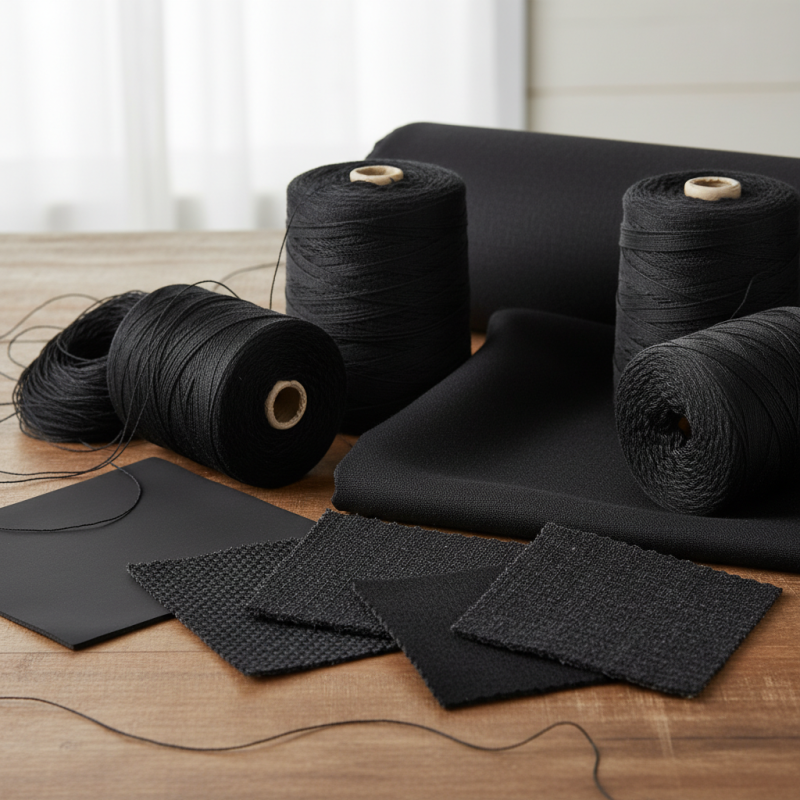
Benefits of Black Polyester Yarn in Textile Industry and Global Market
Black polyester yarn has gained significant attention in the textile industry. Its benefits extend far beyond aesthetics, impacting performance and sustainability. According to a report from the Textile World, the global demand for polyester yarn is projected to grow by 3% annually. This makes it crucial for buyers to understand its advantages.
One of the standout features of black polyester yarn is its durability. It resists fading, retains its shape, and withstands wear and tear. A study by the International Textile and Apparel Association noted that polyester fabrics can last up to five times longer than their cotton counterparts. Additionally, the dyeing process for black yarn is efficient, often requiring less water and chemicals. This eco-friendly aspect appeals to many manufacturers who prioritize sustainability.
Another benefit lies in versatility. Black polyester yarn can be used in various applications, from clothing to automotive fabrics. However, some challenges persist. While the material is strong, improper handling can lead to static cling. Buyers must consider these aspects carefully. Balancing quality with cost is essential in the global market, where competition is fierce. Overall, the benefits of black polyester yarn continue to make it a preferred choice in the textile sector.
Durability and Strength: Key Performance Metrics for Black Polyester Yarn
Black polyester yarn has emerged as a favored choice in various industries, particularly due to its impressive durability and strength. This material withstands wear and tear remarkably well. The fibers are resistant to abrasion, ensuring long-lasting products. In textiles, this means garments and upholstery maintain their appearance longer.
Moreover, black polyester yarn is versatile. It is used in everything from fashion to heavy-duty applications. Its resistance to UV light helps prevent fading, making it ideal for outdoor use. However, not all black polyester yarn is equal. Some could lack the strength needed for demanding applications. Evaluating the quality is essential for buyers seeking dependability.
With increasing environmental awareness, some manufacturers are exploring sustainable options. This shift invites reflection on the material's lifecycle and its impact on sustainability. Buyers must consider both quality and ecological factors when choosing black polyester yarn. Balancing performance and responsibility can lead to better products and a healthier planet.
Cost Efficiency: Analyzing Production and Material Savings in Bulk Orders
Cost efficiency is a crucial factor for global buyers when ordering black polyester yarn in bulk. Recent industry reports indicate that bulk purchases can lead to significant savings on production and material costs. For instance, manufacturers often offer discounts for larger orders, which can reduce the cost per unit by up to 15%. This allows buyers to operate within tighter budgets while still maintaining quality.
Additionally, the durability of black polyester yarn contributes to long-term cost savings. According to a study by the Textile World Association, the lifespan of polyester compared to other fibers is longer, leading to reduced replacement costs. Despite the initial outlay, the longevity of the material translates into fewer expenses over time.
However, buyers must also consider textile waste during production. Inefficient cutting or dyeing can increase costs and negate the benefits of bulk purchases.
Moreover, the environmental impact of sourcing materials is an ongoing concern. Reports show that while polyester is relatively inexpensive, its production needs scrutiny. Eco-friendly alternatives may have a higher upfront cost but offer sustainability benefits in the long run. Balancing cost with environmental responsibility is a challenge for buyers today. Decisions must weigh immediate savings against long-term implications.
Color Fastness: The Importance of Retention in Fashion and Upholstery
Color fastness is critical in the textile industry, especially for black polyester yarn used in fashion and upholstery. According to the American Association of Textile Chemists and Colorists, high color fastness is essential for long-lasting products. Black polyester is known for its superior retention of color, which is crucial for maintaining the aesthetics of garments and furniture.
Research shows that more than 40% of consumers consider color fading a significant issue when purchasing textiles. This concern highlights the need for durable materials. In a study by the International Textile Apparel Association, nearly 70% of respondents preferred fabrics that retained their deep hues after multiple washes. Such findings underscore the relevance of color fastness in global markets.
However, achieving perfect color retention is challenging. Factors like dye type, environmental conditions, and washing practices all play a role. A significant percentage of black polyester yarn may still fade under extreme conditions. Testing and standards remain critical to ensure products meet consumer expectations. Yet, many manufacturers struggle to maintain consistency in color fastness, leading to potential customer dissatisfaction. This reflection emphasizes the importance of continuous improvement in textile production.
Top 10 Benefits of Black Polyester Yarn for Global Buyers
| Benefit | Description | Application |
| Color Fastness | Maintains vivid color even after multiple washes. | Fashion, Upholstery |
| Durability | Resistant to wear and tear over time. | Outdoor Furniture, Clothing |
| Moisture Wicking | Quick drying keeps the fabric comfortable. | Sportswear, Activewear |
| Lightweight | Easier handling and less bulk in garments. | Fashion, Lingerie |
| Easy Care | Can be machine washed and dries quickly. | Home Textiles, Apparel |
| Color Variety | Available in a wide range of colors, enhancing creativity. | Costume Design, Fashion |
| Affordability | Cost-effective compared to natural fibers. | Bulk Clothing, Factory Production |
| Strong Return on Investment | Long-lasting products lead to higher customer satisfaction. | Retail, E-commerce |
| Sustainability | Recyclable options available, reducing environmental impact. | Eco-friendly Fashion, Sustainable Products |
| Versatility | Suitable for a wide range of applications. | Upholstery, Medical Textiles |
Environmental Impact: Sustainability Practices in Polyester Yarn Manufacturing
The production of polyester yarn has evolved to address environmental concerns. Manufacturers are increasingly adopting sustainable practices. According to the Global Polyester Yarn Market Report 2022, about 30% of polyester production now uses recycled materials. This shift significantly reduces environmental impact.
Recycled polyester, often made from post-consumer plastic bottles, lowers carbon emissions. Studies indicate that recycling can cut energy usage by up to 70%. However, challenges remain in the recycling process itself. For example, not all types of polyester can be easily recycled, leading to waste.
Despite advancements, the water usage in polyester production remains a contentious issue. The industry utilizes approximately 5-10 liters of water to produce one kilogram of polyester. Efforts to improve water efficiency are essential, yet many manufacturers still lag in implementing these practices. Transparency in the supply chain is crucial for enhancing sustainability measures. Stakeholders need to demand better accountability from producers to foster a more sustainable future.