What is Automotive Parts Machining and Its Benefits?
Automotive Parts Machining plays a crucial role in the manufacturing of vehicle components. This process involves shaping, cutting, and finishing parts to meet precise specifications. It enhances the performance and efficiency of vehicles. High-quality machining improves durability. This leads to better customer satisfaction.
The benefits of Automotive Parts Machining are significant. It allows for custom and complex designs that can't be achieved through traditional methods. Manufacturers can produce lighter and stronger parts. This ensures vehicles operate more efficiently. Furthermore, advancements in technology have made machining processes more reliable.
However, not all machining practices guarantee success. Some manufacturers may overlook quality control. This can lead to defects and safety issues. It's important to reflect on these challenges. Continuous improvement in machining techniques is vital for the future of automotive manufacturing. Attention to detail can make a big difference in overall vehicle quality.
What is Automotive Parts Machining?
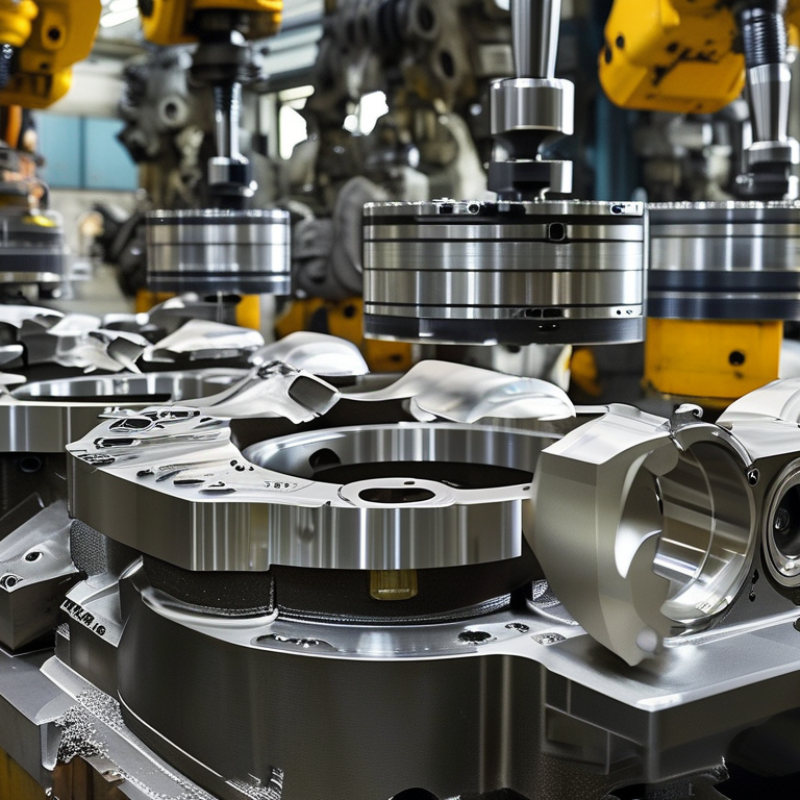
Automotive parts machining is a precision manufacturing process aimed at creating intricate components for vehicles. This technique involves removing material from a workpiece to achieve desired shapes and specifications. According to a report by MarketsandMarkets, the global automotive manufacturing market is projected to reach $150 billion by 2026. This growth emphasizes the need for efficient machining processes that meet industry standards.
The benefits of automotive parts machining are multifaceted. It allows for the production of lightweight components, which is crucial for enhancing fuel efficiency. Studies show that every 10% reduction in vehicle weight can lead to fuel savings of about 6-8%. Additionally, machining can accommodate complex geometries, catering to diverse design requirements. However, it’s essential to reflect on the sustainability aspect of machining. While efficiency is key, excessive waste generation during machining processes remains a significant concern. Choosing the right materials and optimizing production methods can help mitigate these effects while improving overall output.
Furthermore, precision is vital in the automotive industry. Reports indicate that 90% of automotive manufacturers prioritize precision engineering. Achieving such precision often requires advanced tooling and technology, which can be expensive. Balancing cost and precision is an ongoing challenge. Without careful management, the benefits may not justify the expenses incurred. Each decision in the machining process can have significant implications on both quality and cost-effectiveness.
The Process of Automotive Parts Machining Explained
Automotive parts machining is a vital process in the automotive industry. It involves precise shaping and finishing of metal components. According to a 2022 report by MarketsandMarkets, the automotive parts machining market is projected to grow significantly, driven by increasing demands for vehicle efficiency and performance. Machining allows for high tolerances, ensuring that parts fit perfectly and operate smoothly under various conditions.
The process itself includes several techniques, such as turning, milling, and drilling. Each method plays a crucial role in creating parts like engine blocks, transmission components, and chassis. A study from the International Journal of Advanced Manufacturing Technology highlighted that optimized machining processes can reduce production time by up to 30%, translating into significant cost savings.
However, challenges remain. Quality control is a complex aspect of machining. Even slight deviations can lead to functional failures. Engineers must continuously monitor and adjust their processes to maintain high standards. Data from the Society of Automotive Engineers indicates that a mere 1% defect rate can impact a vehicle's overall reliability. Therefore, investing in skilled machinists and advanced technology is essential for maintaining quality in automotive parts machining.
Automotive Parts Machining Overview
Key Techniques Used in Automotive Parts Machining
Automotive parts machining is crucial in the manufacturing process. Different techniques enhance precision and durability for modern vehicles. Machining processes like turning, milling, and drilling are widely employed.
Turning involves rotating the workpiece against a cutting tool. This method is efficient for creating cylindrical shapes, like shafts. It requires skill to maintain accuracy. Milling, on the other hand, uses rotary cutters to remove material. This process allows for complex shapes and precise dimensions. Drilling is often used to create holes. Each technique has its place in production.
These methods are not without challenges. Maintaining tight tolerances can be difficult, and slight errors may lead to significant issues. Operators must continually refine their skills. Quality control is essential. It ensures that every component meets strict standards. This detailed approach helps in achieving high levels of reliability in automotive parts.
Benefits of Automotive Parts Machining for Manufacturers
Automotive parts machining is a critical process in manufacturing. It involves shaping materials into precise components required for vehicles. The benefits for manufacturers are numerous, impacting efficiency and quality.
One significant benefit is improved accuracy. Machining allows for tighter tolerances. This precision leads to better performance and reduced failure rates in automotive systems. Manufacturers can achieve higher production levels with fewer defects. Consistency in part quality enhances assembly processes and minimizes rework.
Tips: Invest in advanced machining technologies. Automation can increase speed and reduce costs. Regular maintenance of machinery ensures optimal performance. Training staff on best practices can lead to better output.
Another advantage is material versatility. Machining can work with various materials, from metals to plastics. This flexibility enables manufacturers to innovate and adapt to new automotive designs. However, it’s essential to reflect on the complexity of machining setups. A poorly planned process can lead to inefficiencies. Understanding the intricacies can help streamline operations.
Tips: Always analyze the cost-effectiveness of materials. Consider the long-term implications of your choices. Collaborate with experienced machinists who can offer valuable insights.
Challenges and Future Trends in Automotive Parts Machining
Automotive parts machining faces several challenges as technology evolves. Companies need to keep up with rapid changes. This includes adapting to new materials and processes. Traditional methods may struggle with advanced alloys or composites. The demand for precision is increasing. Parts must fit perfectly to ensure vehicle safety and efficiency. High-performance engines require intricate components that demand advanced machining techniques.
Another challenge is the skilled workforce shortage. Experienced machinists are retiring, leaving gaps. Training new employees is essential but takes time. Companies must invest in education and technology. They need to implement automation while maintaining quality control. Balancing innovation with skill development can be tricky. It’s vital to create a culture that values both.
Looking ahead, sustainability will become crucial in automotive machining. Eco-friendly practices will be in demand. Companies may need to rethink waste management and energy use. Using renewable resources will also influence machining techniques. The road ahead is complex, requiring adaptation and foresight. Embracing these challenges will shape the future of automotive machining.