Get an instant quote
Get in touch Listen to our podcast

Blog

What Are the 2026 Top Storm Window Types for Buyers?

Choosing a storm window in 2026 is no longer a simple decision between aluminum and vinyl frames. Buyers now compare insulation, air leakage, solar control, maintenance, appearance, and installation quality. The right Storm Window should fit the building, climate, and budget. It should also support the existing window instead of hiding its weaknesses.

Dr. Joseph Lstiburek, a respected building-science expert, often reminds professionals, “Water, air, heat, and vapor move together.” That principle matters here. A low-emissivity interior panel may improve comfort, but poor sealing can still leave cold drafts around the sash. In real homes, the difference is easy to feel. One room stays warm near the glass. Another feels chilly beside the frame.

This guide examines the leading storm window types for 2026 buyers, including interior panels, exterior units, low-emissivity models, and custom systems. It considers thermal performance, noise reduction, visibility, durability, and installation risks. Some products look impressive on paper. They may disappoint when measurements are inaccurate or drainage paths are blocked.

There is no universal winner. Not quite.

A historic home may need a discreet interior option. A coastal property may require stronger corrosion resistance. A modern renovation might benefit from a removable, high-performance panel. These choices can conflict, and buyers should expect trade-offs. Even experienced homeowners sometimes overlook condensation, hardware clearance, or seasonal removal. The most reliable decision begins with the existing window, local weather, and honest inspection.
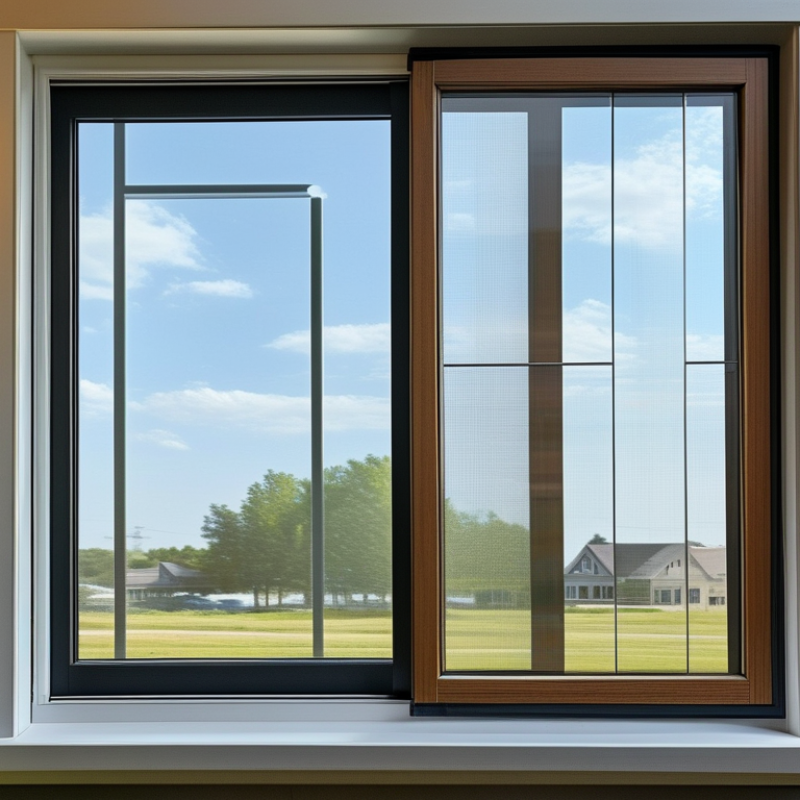
What Are the 2026 Top Storm Window Types for Buyers?

What Storm Windows Are and How They Work

What Are the 2026 Top Storm Window Types for Buyers?

Storm windows are secondary window panels installed over existing windows. They create a sealed air space between the two layers. This space slows heat transfer and reduces cold drafts near the glass. It can also soften traffic noise and help protect the primary window from wind-driven rain.

Exterior storm windows attach to the outside frame. They are practical for many older homes, but their seals need regular inspection. Interior storm windows fit inside the room and often preserve the building’s exterior appearance. Low-emissivity glass or film can improve insulation without adding much thickness. Some models open for ventilation, while removable panels simplify seasonal cleaning.

The frame matters as much as the glass. Aluminum frames are light and durable, while composite frames may reduce thermal bridging. Measure the opening at several points because older frames are rarely perfectly square. A small gap can admit air, yet an overly tight panel may trap moisture. That mistake is easy to overlook. Check weep holes, drainage paths, and existing caulk before installation. Condensation between panels may signal poor ventilation or a failed seal, not simply a cold day.

For a reliable choice, compare the window’s visible condition, local weather, and installation limits. A professional assessment should examine rot, loose sashes, and uneven trim. Storm windows improve performance, but they cannot repair a damaged primary window.


2026 Top Storm Window Types: Typical Heat-Loss Reduction Potential

Storm windows are secondary glazing panels installed inside, outside, or over an existing window. They work by adding another transparent layer and a sealed air space, which reduces drafts and slows heat transfer. Low-emissivity (low-e) coatings can further reduce radiant heat loss.

The ranges show commonly reported potential reductions in heat loss compared with the same window without a storm panel. Actual results vary with climate, window condition, air leakage, glazing, installation quality, and homeowner behavior. Reference: U.S. Department of Energy, Energy Saver guidance on storm windows.

Which Storm Window Types Will Lead the 2026 Market

What Are the 2026 Top Storm Window Types for Buyers?

Which Storm Window Types Will Lead the 2026 Market?

In 2026, interior storm windows are likely to attract buyers seeking lower installation costs and better comfort. They fit inside existing frames and reduce cold drafts near glass. Many use low-emissivity coatings, which help limit winter heat loss and summer heat gain. Installation is usually less disruptive than replacing full windows. That matters in older homes with fragile trim.

Exterior storm windows should remain strong in regions facing wind-driven rain and severe weather. Modern framed panels can improve air sealing without hiding the original window. Buyers should inspect corner joints, drainage paths, and fastening points. A loose panel may rattle during a night storm. It can also admit moisture around the sill. Professional measurements are valuable, especially when frames have shifted over time.

Removable magnetic and seasonal panels may lead smaller renovation projects. They suit renters, historic properties, and homeowners testing efficiency upgrades. Some buyers will prefer operable designs that preserve ventilation during mild weather. However, market forecasts are not certainties. Energy savings depend on installation quality, glass condition, climate, and daily use. A cheaper panel can become a poor investment if seals curl after one season. I have seen neat-looking installations fail because installers ignored uneven masonry. Buyers should compare tested thermal performance, visible hardware strength, maintenance needs, and local weather exposure before choosing a type.

How to Compare Storm Window Materials and Designs

What Are the 2026 Top Storm Window Types for Buyers?

How to Compare Storm Window Materials and Designs

Choosing storm windows in 2026 requires more than comparing advertised prices. Material, installation position, glass layers, and operating style affect comfort, durability, and maintenance. A practical comparison begins with your climate and existing window condition.

Aluminum frames remain light, strong, and suitable for exterior installations. They can transfer heat, however, unless they include thermal breaks. Vinyl frames usually reduce heat transfer and resist moisture, but intense sunlight may cause aging over time. Wood frames offer a traditional appearance and natural insulation. They need regular sealing, especially around exposed edges. I once focused too much on frame appearance. That was a mistake.

Acrylic panels are light and often inexpensive, while polycarbonate panels generally offer greater impact resistance. Both can scratch more easily than glass. Interior storm windows are convenient and protect older frames from weather. Exterior designs can block wind and rain more directly. Fixed units provide strong sealing, while operable units preserve ventilation and emergency access. Check the seals closely. Gaps around corners can undermine expensive materials.

Look for tested air leakage, solar heat gain, visible transmittance, and condensation performance. Independent certification data can make comparisons more reliable than sales claims. Measure each opening carefully, including uneven older frames. A perfect product may still perform poorly after careless installation. That part is easy to underestimate. Review local installation requirements, warranty conditions, cleaning instructions, and replacement access before ordering.

What Energy, Security, and Installation Factors Matter

Storm windows in 2026 should be judged by energy performance, security, and installation quality. Interior panels can reduce drafts without changing the exterior appearance. Exterior units often provide stronger weather protection, especially in exposed coastal or windy areas. Low-emissivity glass may limit winter heat loss and summer heat gain. However, performance depends on the existing window, frame condition, and correct sealing.

Security requires more than thicker glass. Look for secure latches, durable frames, and designs that resist accidental release. Laminated glass can help hold fragments together after impact, but it does not make a window invulnerable. Screens, locks, and emergency exit requirements also deserve attention. Local building rules may affect acceptable materials and opening sizes. Check them before ordering.

Installation is where many energy savings disappear. Measure width and height at several points because older openings are rarely perfect. A small gap can whistle during storms and admit cold air. Clean, dry surfaces matter before applying seals. I have seen carefully selected panels perform poorly because installers rushed this step. Measure twice. Ask for written details about fastening, drainage, maintenance, and removal. Professional installation is sensible for unusual shapes, upper floors, or damaged frames, though a confident homeowner may manage a simple, accessible opening. I would not assume the cheapest option is the most reliable.

How Buyers Can Choose the Right Storm Windows in 2026

Choosing storm windows in 2026 starts with the building, not the sales label. Interior storm panels suit historic homes because they preserve exterior trim and reduce drafts from inside. Exterior triple-track windows offer stronger weather protection and easier seasonal ventilation. Low-emissivity glass can improve insulation, while laminated glass adds useful noise reduction and impact resistance. No option wins every test.

Measure each opening carefully. A slightly uneven frame can make a “custom” window leak air. Check the window’s U-factor, solar heat gain coefficient, air-leakage rating, and visible transmittance. Lower U-factor usually means better insulation. However, a low solar-gain rating may make a shaded room feel cooler than expected. Local climate matters more than a universal ranking.

Walk around the home during wind and rain. Notice rattling sashes, cold trim, and water marks beneath the sill. These details often reveal problems that product brochures miss. Confirm that the storm window will not block emergency escape openings or conflict with exterior drainage. Professional installation is especially important for older masonry, painted wood, and irregular frames.

Interior panels are often practical for renters or careful restorations. Exterior units may work better in exposed coastal or winter conditions. A combination design can balance ventilation and protection. Still, cleaning access, screen storage, and replacement parts deserve attention. Buyers sometimes focus on glass and forget daily use. A quieter, tighter window is not helpful if nobody can open it safely.

What Are the 2026 Top Storm Window Types for Buyers? - How Buyers Can Choose the Right Storm Windows in 2026

Storm Window Type Typical Installed Cost per Window Typical Energy Performance Weather and Impact Protection Best Use Case Installation and Operation Main Advantages Potential Limitations Buyer Suitability
Exterior Triple-Track Storm Windows $150–$450 Moderate to high; commonly available with low-emissivity glass and insulated frames Strong protection against wind-driven rain, drafts, and seasonal weather; impact resistance depends on the glazing specification Older homes, double-hung windows, and buyers seeking ventilation with lower replacement costs Usually mounted outside the existing window; upper and lower sashes slide independently for ventilation and cleaning Versatile, widely compatible, relatively easy to operate, and suitable for year-round use More visible from outside; tracks and moving parts require periodic cleaning and maintenance Excellent for balanced performance
Exterior Two-Track Storm Windows $120–$350 Moderate; performance improves with tight seals and low-emissivity glazing Good draft and rain protection for standard window openings; less flexible ventilation than triple-track designs Fixed-size windows, seasonal protection, and budget-conscious upgrades Installed over the existing window; typically provides a fixed pane and one movable sash Lower upfront cost, simple design, and fewer moving components Limited ventilation and cleaning access; fit must be measured accurately Very good for budget projects
Interior Magnetic Storm Panels $100–$300 Moderate to high when the panel is properly sealed; can reduce air leakage from older windows Effective against drafts and indoor comfort problems; does not provide the same exterior impact protection as reinforced exterior systems Historic homes, apartments, rented properties, and windows where exterior alterations are restricted Mounted inside the opening with magnetic frames or compression seals; generally quick to remove Preserves exterior appearance, easy to store, and often suitable for do-it-yourself installation Interior condensation can occur if humidity and air sealing are not managed; limited protection from flying debris Excellent for preservation and rental settings
Interior Acrylic or Polycarbonate Panels $150–$500 Moderate to high; performance depends on panel thickness, edge sealing, and the existing window Reduces drafts and can add a secondary barrier; polycarbonate generally offers better impact resistance than acrylic Historic interiors, high-rise units, and buyers who want a removable secondary glazing layer Attached with compression frames, clips, or magnetic systems; usually removable for seasonal storage Lightweight, discreet from the outside, and available in clear configurations Can scratch more easily than glass; may yellow over time if exposed to sunlight, depending on material quality Very good for appearance-sensitive projects
Permanent Exterior Storm Windows $250–$700 High when paired with insulated low-emissivity glass and properly sealed frames Strong year-round resistance to rain, wind, and air infiltration; impact rating varies by product and local code Homeowners seeking long-term energy improvement without replacing the original windows Professionally fitted to the exterior; may use fixed, operable, or combination configurations Durable, low-maintenance, and capable of improving comfort in older homes Higher cost and more permanent visual impact; installation quality is critical Excellent for long-term ownership
High-Impact Storm Windows $350–$900 Moderate to high; exact thermal performance depends on glazing and frame design Designed for enhanced resistance to windborne debris when tested and labeled for the applicable local standard Coastal and hurricane-prone areas where building-code requirements demand stronger protection Usually professionally installed; requires careful anchoring, opening measurements, and code verification Higher level of debris protection and improved weather security compared with standard storm windows Highest purchase price among common storm-window options; not every model qualifies for local impact requirements Best for severe-weather exposure
Low-E Glass Storm Windows $200–$600 High; low-emissivity coatings can reduce heat transfer while preserving visible light Good rain, wind, and draft protection when the frame and seals are correctly fitted Cold climates, mixed climates, and buyers prioritizing heating and cooling efficiency Available in exterior or interior formats; glass coating and orientation should match the climate and window assembly Improves indoor comfort and may reduce seasonal heating or cooling demand Costs more than clear-glass versions; energy savings vary with existing window condition and installation quality Best for energy-conscious buyers
Removable Seasonal Storm Windows $100–$350 Low to moderate; depends heavily on the seal, glazing, and seasonal installation quality Useful for seasonal rain, cold-weather drafts, and moderate wind exposure; generally not intended as a primary impact system Secondary homes, mild climates, and homeowners who prefer to remove panels during warmer months Installed and removed seasonally; requires labeled storage in a dry, protected location Lower cost, flexible use, and minimal permanent change to the building Storage is required; repeated handling can damage seals or frames if performed carelessly Good for seasonal and mild-weather needs
Custom-Shaped Storm Windows $300–$1,000+ Moderate to high; depends on the custom frame, glazing, and perimeter seal Can provide strong weather protection when accurately measured and securely installed Arched, circular, octagonal, stained-glass, and other nonstandard window openings Usually requires professional measurement and fabrication; operating options may be limited Preserves unusual architectural openings and improves comfort without full window replacement Longer lead times, higher costs, and fewer replacement or repair options Best for specialty architectural windows

Cost ranges are typical planning estimates in U.S. dollars for 2026 and can vary by window size, glazing, frame material, labor rates, local building codes, and installation complexity. Buyers in high-wind or hurricane-prone regions should verify product testing, anchoring requirements, and local code compliance before purchasing.

CNC machining CAD export file formats

Put your parts in production today

Get an instant quote