Get an instant quote
Get in touch Listen to our podcast

Blog

2026 Top Claude Cowork Guide for Remote Work Success?

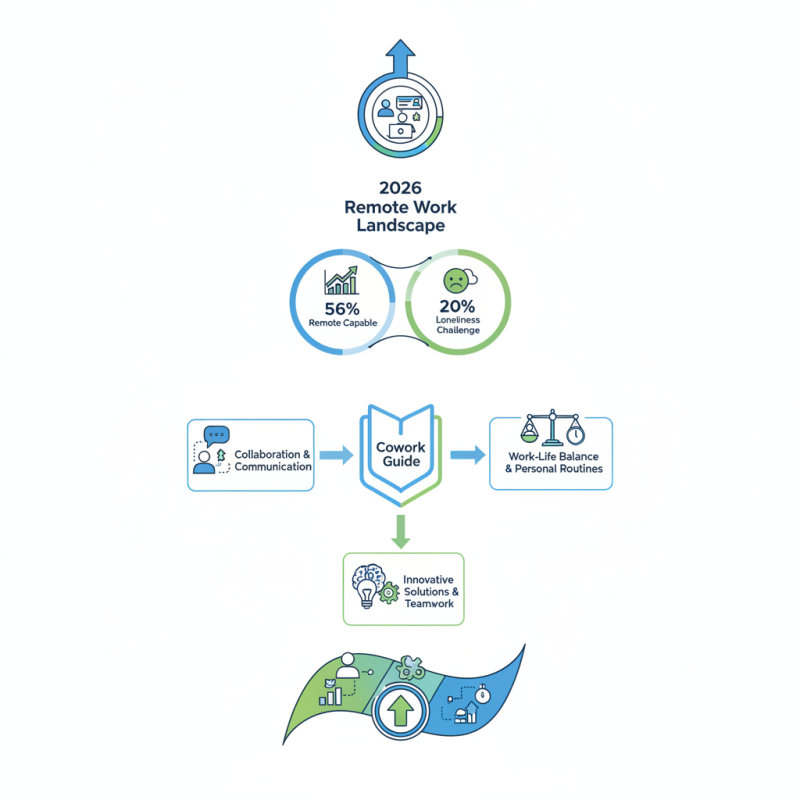
The rise of remote work has transformed the professional landscape. According to a recent Gallup report, 56% of U.S. workers are able to continue working from home. This shift emphasizes the need for effective collaboration tools and strategies. Enter the claude cowork guide, a resource designed for navigating remote work success.

In 2026, many companies will still struggle to maintain productivity levels. A study by Buffer revealed that 20% of remote workers cite loneliness as a major challenge. Thus, the Claude Cowork Guide becomes essential. It addresses these concerns while offering innovative solutions for teamwork and communication.

Despite these advancements, not every aspect of remote work is perfect. Many employees report difficulties in maintaining work-life balance. The guide encourages reflection on personal routines. It challenges readers to rethink conventional work practices. By doing so, the Claude Cowork Guide can provide the tools needed for enduring remote work success.
2026 Top Claude Cowork Guide for Remote Work Success?

Understanding the Evolution of Remote Work Culture

The evolution of remote work culture has reshaped how teams collaborate. With around 30% of employees now working remotely, flexibility becomes key. Many studies show that remote workers report higher job satisfaction and productivity. However, it's not all smooth sailing.

Challenges remain in communication and collaboration. A report indicated that nearly 20% of remote workers feel isolated. Loneliness can impact mental health and work performance. Team cohesion may suffer without regular face-to-face interactions. Creating an inclusive culture requires intentional effort.

Balancing flexibility with responsibilities is critical. Companies must evaluate their support systems to prevent burnout. Regular check-ins and virtual team-building activities can bridge gaps. As the remote work landscape continues to change, organizations must adapt their culture to ensure success. Embracing this evolution is essential for fostering a thriving workplace.

2026 Top Claude Cowork Guide for Remote Work Success

Dimension Description Importance (1-10) Trend (2026 Outlook)
Work-Life Balance Focus on maintaining personal and professional boundaries in remote work. 9 Increasingly prioritized by companies.
Communication Tools Utilization of video conferencing and project management apps. 10 Continuing growth in innovation and use.
Employee Wellbeing Programs to support mental and physical health of remote workers. 8 Expected to expand significantly.
Flexibility Adaptability of schedules and work environments. 9 Will become a standard expectation.
Collaboration Tools Platforms that enable seamless teamwork despite distance. 9 Innovation is a key focus area for software development.

Key Features of Effective Coworking Spaces for Remote Workers

Effective coworking spaces offer distinct features that cater to remote workers. Comfortable, ergonomic furniture is essential. It helps to maintain focus during long hours. Good lighting is also crucial. Natural light can boost mood and productivity. A quiet environment, away from distractions, is ideal for deep work.

Community is another vital element. Networking opportunities can lead to collaborations and new ideas. Yet, some workers may feel isolated in expansive spaces. Regular social events can help bridge this gap. Access to meeting rooms and private spaces is equally important. Sometimes, remote workers need a break from communal areas.

Fast internet is non-negotiable. Slow connections can frustrate anyone. Yet, reliable tech support can ease this burden. Amenities like coffee and snacks can enhance the experience. However, excess noise from a bustling café area can be a downside. Balancing all these features can be challenging, but the right environment makes all the difference.

Strategies for Enhancing Productivity in Remote Work Environments

In remote work environments, productivity often varies widely. Many struggle with distractions at home. The kitchen can tempt you away from your desk. Kids might need attention, or the lure of TV can be strong. Recognizing these distractions is the first step to improvement.

Creating a dedicated workspace is crucial. A clear, organized area can boost focus. Try to eliminate noise and clutter. However, not every day will be perfect. Some days will feel unproductive. It’s okay to have off days; what matters is reflection and adjustment. Consider setting specific hours. Block time for focused tasks and breaks.

Incorporating regular check-ins can also enhance productivity. These can help maintain accountability. Use them to discuss goals or challenges. Yet, too many meetings can be draining. Balance is key. Small changes can lead to significant improvements in how you work remotely. Aim to find what truly works for you.

Essential Tools and Technologies for Remote Collaboration

In today’s remote work landscape, essential tools and technologies play a crucial role. According to a report from Buffer, 97% of remote workers wish to continue working remotely for the rest of their careers. This significant trend highlights the importance of effective collaboration tools. For seamless remote teamwork, investing in communication platforms is vital. These enable quick discussions and sharing of ideas without delays.

Collaboration tools should include project management software. These platforms can boost productivity by keeping everyone aligned. Research from McKinsey indicates that effective collaboration improves team productivity by 20-25%. Teams can track progress and deadlines using these tools. Video conferencing solutions are also essential for face-to-face interactions. They help maintain a human connection, reducing feelings of isolation.

Tips: Encourage team members to utilize shared digital calendars. This helps everyone stay on track. Additionally, regular check-ins promote accountability. Remember, not all tools work for every team. Assessing your unique needs is key to finding the right solutions. Regular feedback helps refine your tech stack, ensuring it supports your workflow effectively.

Best Practices for Maintaining Work-Life Balance while Working Remotely

Remote work has gained popularity, yet maintaining a healthy work-life balance can be a challenge. According to a recent survey by FlexJobs, 73% of remote workers have experienced burnout. Many mistake the flexibility of remote work for an "always-on" mentality. This often leads to longer hours and less downtime.


Creating boundaries is essential. Designate specific work hours to separate professional and personal life. A report from Buffer highlighted that 22% of remote workers find it hard to unplug after work. Setting clear goals for your workday can help focus your energy and reduce distractions.


In remote work, communication can falter. It’s crucial to check in regularly with colleagues. Over 20% of remote employees miss casual conversations that happen in an office. Finding new ways to connect, like virtual coffee breaks, can enhance relationships and support a healthier work environment. Acknowledging these challenges fosters a culture of openness, leading to a more balanced and productive remote experience.

CNC machining CAD export file formats

Put your parts in production today

Get an instant quote