Get an instant quote
Get in touch Listen to our podcast

Blog

2026 How to Buy China Check Valves?

Buying a China Check Valve in 2026 requires more than comparing prices on a supplier website. The right choice protects pumps, pipelines, and production schedules. It also reduces costly maintenance when flow conditions change unexpectedly. Buyers should examine valve type, pressure rating, connection standards, body material, sealing design, and inspection records.

Liu Jian, a senior China valve engineer with experience in industrial flow-control projects, says, “A reliable check valve is selected from operating conditions, not from a catalog photograph.” This principle deserves attention. A stainless-steel valve may suit corrosive water, while a ductile-iron model may fit ordinary cooling systems. The cheapest option can become expensive after repeated water hammer, leakage, or premature disc wear.

Look closely at the details. Ask for material certificates, pressure-test reports, dimensional drawings, and production photographs. Confirm the actual media, temperature range, flow direction, installation angle, and required closing speed. A wafer check valve saves space, but it may not suit every pipeline layout. A swing check valve can handle certain flow conditions well, yet it needs adequate installation space.

Supplier experience matters. Review factory capability, quality-control procedures, export history, and after-sales communication. Request a sample when the application is critical. It is a small step.

Still, no buying guide can replace engineering judgment. Product descriptions may omit important limitations. Some certificates may also require independent verification. Buyers should compare evidence, not promises. A careful China Check Valve purchase begins with honest operating data and ends with documented quality checks. Mistakes happen, even in well-managed projects. The goal is to identify them before installation, not after leakage appears.
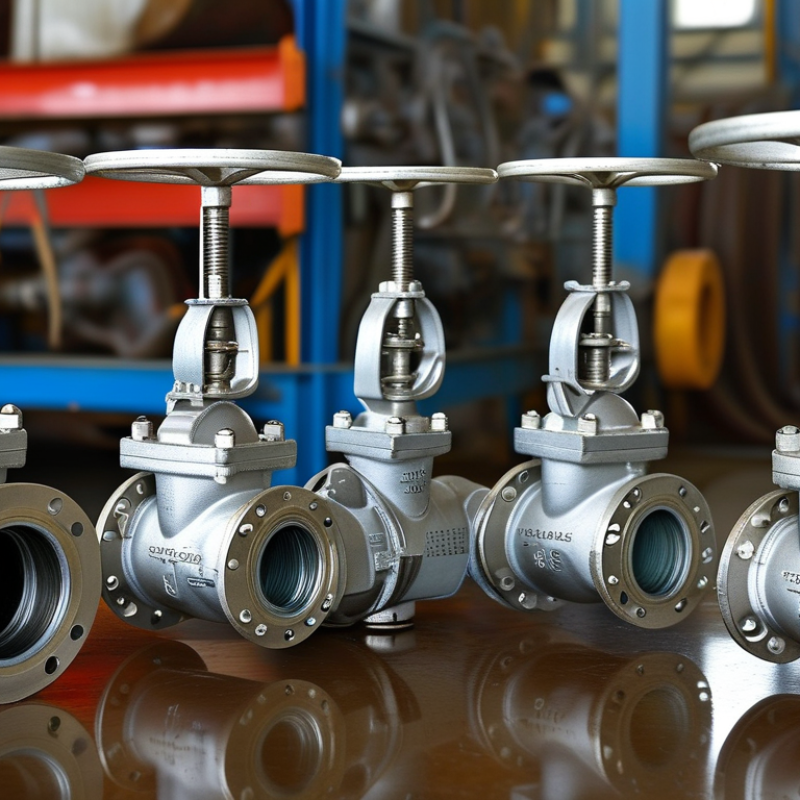
2026 How to Buy China Check Valves?

What Are China Check Valves and How Do They Work?

China check valves are one-way devices used to prevent reverse flow in piping systems. They open when upstream pressure pushes the closure forward. They close when flow stops or reverses. This simple action protects pumps, filters, tanks, and process equipment from backflow.

Common designs include swing, lift, wafer, spring-loaded, and ball check valves. A swing valve uses a hinged disc, while a spring-loaded valve closes more quickly. Selection depends on fluid type, pressure, temperature, pipe size, and installation direction. Stainless steel suits many corrosive services, but material compatibility still requires technical verification. The wrong valve may create pressure loss, noise, or damaging water hammer. In practice, a product drawing can look convincing, yet the internal spring or sealing surface may need closer inspection. No selection method is perfect.

Tips: Ask for pressure, temperature, flow-rate, and leakage test data. Check the arrow on the body before installation. Confirm the cracking pressure, because a pump may not open every valve reliably. Request material certificates and inspection records from the supplier. If the line carries dirty fluid, consider a design that reduces blockage risk. A small sample test is often wiser than relying only on photographs.


2026 How to Buy China Check Valves? What Are China Check Valves and How Do They Work?

Typical cracking-pressure ranges by check-valve design

A check valve allows fluid to flow in one direction and automatically closes when reverse flow begins. The chart shows typical cracking-pressure ranges used in common industrial designs. Lower cracking pressure generally means easier opening, while the final selection should also consider media, temperature, flow rate, installation position, pressure class, materials, and applicable standards.

Values are indicative engineering ranges in bar and can vary by size, spring setting, material, and manufacturer. Always verify the technical datasheet before purchasing.

Which China Check Valve Type Fits Your Pipeline?

Choosing a China check valve starts with pipeline behavior, not catalog photos.

Swing check valves suit horizontal water and wastewater lines with steady flow. Their full port limits pressure loss. They need room for disc movement, though.

For vertical upward flow, a lift check valve can provide controlled closing. It handles clean fluids well, but its pressure drop may be higher.

A spring-loaded wafer or dual-plate valve fits short face-to-face spaces and fast-closing service.

Pump discharge lines need special attention. A spring-assisted or axial check valve can close before reverse flow builds, reducing water hammer.

That choice depends on pump speed, pipe diameter, and shutdown time. For slurry, abrasive particles can damage tight guiding surfaces. A robust swing design may survive better, provided the disc does not slam.

Gas pipelines often require low-leakage lift or axial designs, with seals selected for temperature and media compatibility. Small details matter.

Before purchasing, confirm pressure class, temperature range, end connection, body material, and installation direction.

Request hydrostatic and seat-leakage test records, material certificates, and dimensional drawings.

Ask for documentation matching the project specification and applicable valve standards. Independent inspection is useful for critical pipelines.

I have seen valves selected correctly on paper but installed backward in crowded pump rooms. Clear arrows help, but they are not enough.

Check maintenance access and allow for future cleaning. A cheaper valve can become expensive after one avoidable shutdown.

How to Evaluate Chinese Manufacturers and Product Quality?

2026 How to Buy China Check Valves?

How to Evaluate Chinese Manufacturers and Product Quality?

A reliable purchase starts with the manufacturer, not the lowest quotation. Check whether the factory designs, machines, assembles, and tests its own valves. Request business licenses, quality certificates, process documents, and recent customer references. Verify each document with the issuing organization when possible. Clear records matter.

Ask for material certificates for the body, disc, spring, and sealing parts. Compare them with the requested material grade. A professional supplier should provide dimensional drawings and pressure-test procedures before production. Confirm the testing medium, pressure, duration, and acceptance criteria. Request test videos or inspection reports linked to specific valve serial numbers.

Use a sample before placing a large order. Inspect casting surfaces, thread quality, hinge movement, gasket fit, and flow direction marks. Then conduct independent pressure and leakage testing. Factory testing is useful, but it should not be your only evidence. A remote video audit can reveal storage conditions, calibration labels, and unfinished work.

Ask difficult questions. Observe the answers. Some suppliers respond quickly but avoid technical details. That is a warning sign. Another weakness is inconsistent documentation between samples and mass production. This happens more often than buyers expect. I would also review packaging, spare parts, labeling, and complaint procedures. A strong manufacturer accepts reasonable corrections and records them instead of hiding defects.

2026 How to Buy China Check Valves? - How to Evaluate Chinese Manufacturers and Product Quality?

Evaluation Dimension What to Check Recommended Acceptance Criteria Evidence to Request Suggested Weight
Application and Valve Type Confirm whether the design is wafer, swing, lift, dual-plate, piston, or axial flow. The selected type should match flow direction, installation position, pressure pulsation, backflow risk, and available space. Technical datasheet, flow schematic, installation drawing, and application references without confidential customer information. 8%
Applicable Design Standard Check the design standard stated in the quotation and drawing. The standard must be suitable for the service. Common references include API 594 for check valves, API 6D for pipeline valves, and ASME B16.34 for pressure-containing valve requirements. Design calculation, standard compliance statement, certified drawings, and clause-by-clause deviation list. 10%
Pressure Class and Size Verify nominal size, pressure class or PN rating, end connection, and face-to-face dimensions. All dimensions must match the approved piping specification. Pressure-temperature ratings must be based on the actual body and trim materials. General arrangement drawing, pressure-temperature chart, flange standard, and dimensional inspection report. 8%
Body and Bonnet Material Review material grade, corrosion resistance, temperature range, and service compatibility. Typical material choices include carbon steel such as ASTM A216 WCB for general service, low-temperature carbon steel such as ASTM A352 LCB for cold service, and stainless steel such as ASTM A351 CF8M for corrosive applications. Final selection must follow the process medium and design temperature. Material test certificate, heat number traceability, chemical composition, mechanical properties, and impact-test records where required. 12%
Disc, Plate, Seat, and Trim Check trim material, surface treatment, hardness, wear resistance, and compatibility with the medium. Trim materials should be clearly identified by grade. Hard-facing or corrosion-resistant overlays should include thickness, hardness, and inspection requirements where specified. Part-level material certificates, hardness reports, coating or overlay reports, and spare-parts list. 8%
Pressure Testing Confirm shell, seat, and low-pressure closure tests. Testing should follow the contractually agreed standard, such as API 598 or ISO 5208. The test medium, pressure, holding time, leakage class, and acceptance result must be recorded. Factory test certificate, calibrated gauge records, test procedure, and inspection release note. 14%
Leakage Performance Determine the required seat leakage level for the process and shutdown function. The purchase order should state the required leakage class or allowable leakage rate. “Zero leakage” should not be accepted as an undefined marketing term; it must be linked to a test standard and test pressure. Seat-test results, test curves where applicable, and an agreed leakage acceptance table. 10%
Flow and Pressure-Loss Data Evaluate cracking pressure, pressure drop, flow coefficient, and reverse-flow behavior. The supplier should provide test-based or validated engineering data. A low cracking pressure is desirable where pump protection and energy efficiency are important, but it must not compromise stable closure. Flow test data, pressure-drop curve, cracking-pressure value, and calculation assumptions. 8%
Manufacturing Process Control Review casting, forging, machining, welding, heat treatment, and assembly controls. Critical processes should be documented, traceable, and subject to inspection hold points. Weld repairs, if permitted, should require an approved repair procedure and inspection record. Quality plan, process flow chart, welding procedure qualifications, heat-treatment charts, and nonconformance records. 10%
Non-Destructive Examination Confirm the required inspection method for castings, forgings, welds, and pressure boundaries. Typical methods include visual inspection, liquid penetrant, magnetic-particle, radiographic, and ultrasonic examination. The method and sampling level should be specified before production. NDE procedures, examiner qualifications, reports, acceptance criteria, and weld or casting traceability. 8%
Quality Management System Assess document control, corrective actions, inspection independence, and production consistency. A current ISO 9001 certificate from an accredited certification body is a positive indicator, but it should be verified and supported by an on-site or remote quality audit. Certificate scope, latest audit summary, quality manual index, inspection organization chart, and corrective-action records. 8%
Traceability and Documentation Check whether each pressure-retaining and critical component can be traced to its material heat and inspection result. Heat numbers, part identification, drawings, test reports, and packing records should remain consistent throughout the manufacturing and delivery documents. Manufacturing record book index, nameplate photo, material certificates, inspection reports, and final dossier sample. 6%
Inspection and Acceptance Plan Define buyer, third-party, and supplier inspection points before manufacturing starts. The inspection plan should identify hold points for material review, dimensional inspection, NDE, pressure testing, coating, marking, and final release. Inspection and test plan, approved quality plan, witness-point schedule, and final inspection checklist. 5%
Packaging and Corrosion Protection Review end protection, internal cleanliness, desiccant use, lifting points, and export packaging. Valve openings should be protected, machined surfaces preserved, identification retained, and packaging suitable for the planned transport and storage period. Packing specification, photographs before shipment, preservation procedure, and packing list. 3%
Commercial and Lifecycle Value Compare total cost rather than purchase price alone. Consider delivery time, inspection cost, spare parts, maintenance access, warranty terms, replacement lead time, and documented failure history. Detailed quotation, warranty conditions, spare-parts quotation, lead-time schedule, and lifecycle-cost comparison. 3%
Total Evaluation Weight 100%
Recommended purchasing rule: Do not approve a check valve based on price or certification claims alone. Release the order only after the design standard, material traceability, pressure test requirements, leakage criteria, inspection plan, and final documentation requirements are written into the purchase specification.

What Standards, Materials, and Certifications Should You Verify?

2026 How to Buy China Check Valves?

A 2024 Grand View Research estimate valued the global check valve market at about USD 4 billion. Demand is rising, but low price can hide weak verification. Ask for the exact service duty first: pressure, temperature, fluid, flow direction, and allowable leakage. A valve for clean water is not automatically suitable for chloride service or sour gas.

Verify the design standard against your application. API 6D suits many pipeline installations, while ASME B16.34 addresses pressure-temperature ratings and construction requirements. ISO 5208 or EN 12266 should define pressure testing and leakage acceptance. For China-sourced valves, check whether GB/T 12224 and GB/T 13927 apply to the supplied design. Do not accept “international standard” as a complete answer.

Material certificates should identify body, disc, hinge, seat, and spring materials. Common choices include carbon steel, 316L stainless steel, duplex stainless steel, and reinforced elastomers. Confirm compatibility with chlorides, acids, oxygen, or hydrogen sulfide. NACE MR0175/ISO 15156 may be necessary for sour-service equipment. Request heat-number traceability, dimensional records, hydrostatic reports, and calibration certificates. Confirm PED or other market-specific compliance when required. Paperwork can look convincing. I still check whether serial numbers match the nameplate and test reports. That small step is often missed.

How to Compare Quotes, Inspect Orders, and Manage Shipping?

Buying China check valves requires more than finding the lowest unit price. Start with a comparison sheet. Include valve size, pressure class, body material, connection standard, seal material, test requirements, and quantity. Ask every supplier to quote the same specification. Otherwise, a cheap quote may omit inspection or packaging. Request drawings, material certificates, pressure-test records, and production lead time. I prefer written answers. Verbal promises are easy to misunderstand.

When quotes arrive, normalize them line by line. Separate product cost, tooling, inspection, inland transport, export packing, and freight. Check whether taxes, insurance, and destination charges are included. Confirm the quotation validity period and payment milestones. A reliable supplier should explain tolerances and testing methods clearly. I once focused too much on price and missed a stainless-steel grade difference. That mistake changed my review process. I now compare certificates against the purchase order before production approval. Do not guess.

Inspect the order before shipment, not after the container leaves. Use photos, dimensional checks, nameplate details, and random functional tests. For larger orders, an independent inspector can verify quantity, materials, markings, and packaging. Ask for a packing list with carton numbers and valve sizes. Shipping details deserve equal attention. Confirm the agreed trade term, port, booking date, and required documents. Protect threaded ends and flange faces with suitable covers. Moisture-resistant wrapping matters during long sea transit. I still allow buffer time. Factories and ports can surprise you. Keep written records, but review them critically.

CNC machining CAD export file formats

Put your parts in production today

Get an instant quote