2026 Best Quick Turn Injection Molding Solutions for Buyers?
In the fast-paced world of manufacturing, "quick turn injection molding" has emerged as a pivotal solution for businesses aiming to stay competitive. According to a recent study by Grand View Research, the global injection molding market is projected to reach $459.3 billion by 2028, growing at a CAGR of 5.4%. Such growth emphasizes the urgency for buyers to adopt innovative solutions that ensure efficiency and responsiveness to market demands.
Quick turn injection molding enables manufacturers to significantly reduce lead times, thus accelerating product development. This method allows for rapid prototyping and short production runs, catering to the needs of industries like automotive and consumer goods. However, while the technology presents numerous advantages, not all providers deliver the same quality and reliability. Prospective buyers must carefully evaluate potential partners based on their capabilities, reliability, and track record.
Balancing speed with quality remains a challenge. The drive for quicker turnaround times may sometimes compromise quality standards. Therefore, businesses should not only prioritize speed but also invest in comprehensive quality assurance processes. By understanding these dynamics, buyers can navigate the complexities of quick turn injection molding and make informed decisions that enhance their operational efficiency.

2026 Quick Turn Injection Molding: An Overview of Industry Trends
In the fast-paced world of manufacturing, quick turn injection molding is gaining traction. This process allows for the rapid production of complex parts with precision. As demand rises, several trends are emerging in the industry.
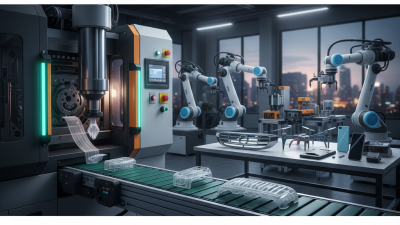
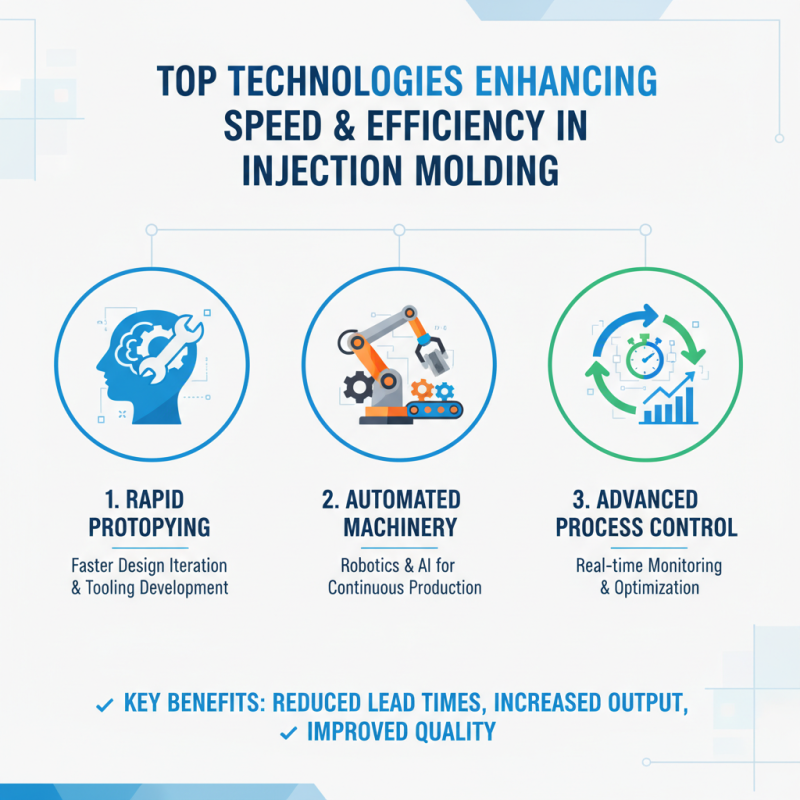
One noticeable trend is the integration of advanced technologies. Automation is becoming crucial. Robotics streamline operations and improve efficiency. 3D printing is also playing a role. It allows for rapid prototyping, which speeds up the design process.
Tip: Stay updated on new technologies. Attend industry conferences and webinars. Networking can provide insights into best practices.
Another trend is
sustainability. Companies are increasingly looking to reduce waste and energy consumption. Utilizing eco-friendly materials can enhance a brand's reputation. However, not all solutions are perfect. Some green materials may lack performance in specific applications.
Tip: Evaluate the long-term benefits of sustainable practices. Balance cost and environmental impact to make informed decisions.
Overall, the quick turn injection molding industry is evolving.
Adapting to these trends is essential for maintaining a competitive edge. Embrace change, but be cautious.
Continuous learning can significantly improve outcomes.
Key Factors Driving Quick Turn Injection Molding Solutions in 2026
The landscape of quick turn injection molding is evolving rapidly. By 2026, increasing demand for rapid prototypes and shorter product life cycles will drive the industry. Reports suggest that the global quick turn injection molding market is expected to reach $6 billion, growing at a CAGR of 8.5%. This surge indicates how manufacturers are seeking nimble solutions to stay competitive.
Key factors influencing this trend include technological advancements. Innovations in automated systems and real-time feedback mechanisms enhance production efficiency. The adaptation of Industry 4.0 principles allows for seamless integration of design and manufacturing processes. However, not all companies have adopted these technologies effectively. Some struggle with outdated machinery, which can hinder their growth potential.
Sustainability is another critical driver. More buyers are looking for eco-friendly materials. In a recent study, over 50% of industry leaders indicated a shift towards bio-based plastics. While this trend offers opportunities, it also presents challenges. Developing sustainable solutions can be cost-intensive and require extensive research. The industry must address these issues to truly capitalize on the demand for quick turn injection molding in the coming years.
Cost-Benefit Analysis of Quick Turn Injection Molding for Buyers
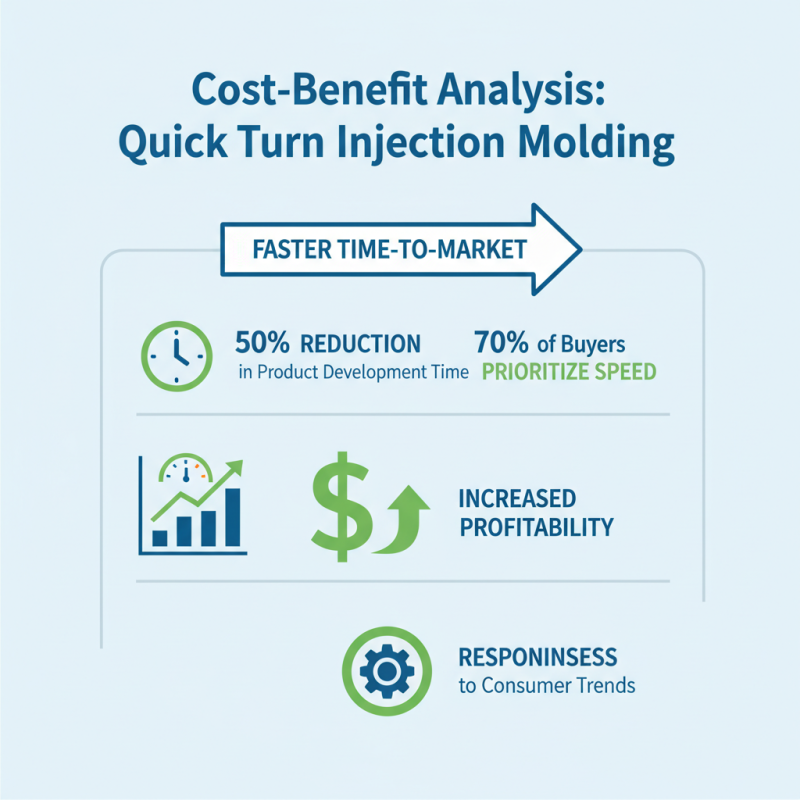
In the competitive landscape of manufacturing, quick turn injection molding has emerged as a vital solution for buyers. Recent industry reports indicate that companies utilizing this technology can reduce product development time by up to 50%. This significant time saving translates into faster time-to-market, a critical factor that enhances responsiveness to consumer trends. For example, a survey from Advanced Manufacturing Technology suggests that 70% of buyers prioritize speed in production, reinforcing the demand for quick turn solutions.
However, it’s essential to conduct a thorough cost-benefit analysis before investing in quick turn injection molding. While initial costs might seem burdensome, especially for small businesses, the long-term savings can be substantial. A study from the Society of Manufacturing Engineers reveals that companies can see a return on investment within two years due to reduced labor costs and higher efficiency. Notably, the setup of quick turn processes can lead to quality control challenges. Ensuring consistent quality while accelerating production requires careful planning and skilled personnel.
Buyers must weigh these factors thoughtfully. Quick turn injection molding is not a one-size-fits-all solution. Some organizations might find that traditional methods yield better outcomes for their specific needs. The choice ultimately lies in aligning operational capabilities with strategic goals, which requires introspection and a clear understanding of market demands.
Comparative Insights: Quick Turn vs. Traditional Injection Molding Techniques
Quick turn injection molding offers distinct advantages over traditional techniques. It significantly reduces lead times, allowing manufacturers to respond swiftly to market demands. This is crucial for companies needing quick prototypes or low-volume production runs. With advanced techniques, such as 3D printing and streamlined processes, parts can be produced within days compared to the weeks or months required by traditional methods.
However, quick turn solutions may come with trade-offs. Materials available for rapid production may be limited. This can affect the strength and durability of the final product. Moreover, precision in quick turn molding may not always match the capabilities of traditional methods, especially for complex designs. It raises a question: how much should speed be prioritized over quality and reliability?
Selecting the right method depends on specific project needs. Quick turn molding is ideal for testing concepts or reaching markets faster. Yet, for high-volume projects requiring top-tier quality, traditional injection molding may remain the better option. Companies must carefully weigh these factors. Balancing speed with the need for a dependable product is essential for long-term success.
2026 Best Quick Turn Injection Molding Solutions for Buyers
| Feature |
Quick Turn Injection Molding |
Traditional Injection Molding |
| Production Speed |
Fast (Days to Weeks) |
Slower (Weeks to Months) |
| Setup Time |
Minimal (Hours) |
Extensive (Days) |
| Cost Effectiveness |
Higher per unit for small runs |
Lower per unit for large volumes |
| Material Variety |
Limited Selection |
Wide Selection |
| Prototyping Capabilities |
Excellent for rapid prototyping |
Good, but slower turnaround |
| Typical Applications |
Short runs, prototyping, custom projects |
Mass production, high-volume orders |